
Manufacturers rely on advanced surface technologies to meet rising performance demands, making coating solutions for modern manufacturing needs a critical part of today’s production environment. Equipment operates under intense stress from friction, heat, and corrosive conditions, which can quickly degrade untreated components. To maintain efficiency and reduce costly downtime, manufacturers turn to specialized coatings designed for specific applications.
These coatings do more than protect surfaces, as they actively enhance performance and extend the life of essential equipment. Understanding the types of coatings available allows manufacturers to select the right solution for their operational challenges.
Industrial coatings have evolved into engineered solutions that address highly specific challenges. Manufacturers no longer rely on general-purpose protection but instead choose coatings based on performance requirements. This shift reflects the growing complexity of manufacturing systems and the need for precision in every component.
Each coating type offers unique properties that align with different operating conditions. Some coatings resist extreme wear, while others handle high temperatures or prevent corrosion in aggressive environments. By matching coating capabilities to application demands, manufacturers can achieve consistent results and improve overall system reliability.
Thermal spray coatings provide a flexible solution for many manufacturing environments. This process involves heating a coating material and spraying it onto a prepared surface, creating a strong bond and durable layer. Manufacturers use thermal spray coatings when they need a balance of wear resistance and corrosion protection.
These coatings perform well in applications where components face repeated mechanical stress. They also allow for restoration of worn parts, which helps manufacturers avoid the cost and delay of full replacement. By rebuilding surfaces to precise specifications, thermal spray coatings support both performance and efficiency.
High-velocity oxygen fuel coatings, often referred to as HVOF, deliver exceptional durability in demanding environments. This process uses a high-speed gas stream to propel coating material onto a surface, creating a dense and tightly bonded layer. The result is a coating that resists wear, abrasion, and impact more effectively than many alternatives.
Manufacturers rely on HVOF coatings in applications where components face continuous friction or heavy loads. These coatings maintain their integrity under pressure and help extend the life of critical equipment. Their density also reduces porosity, which improves resistance to corrosion and enhances long-term performance.
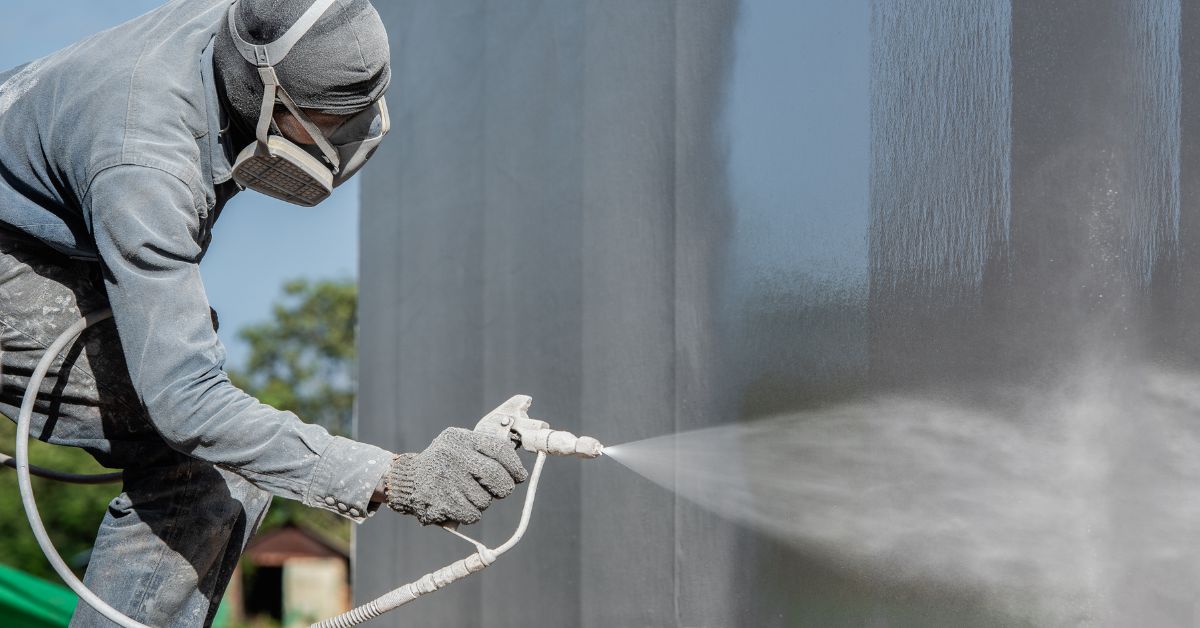
Hard chrome plating remains a trusted solution for applications that require both durability and precision. This coating provides a smooth, hard surface that resists wear while maintaining tight dimensional tolerances. Manufacturers often use hard chrome on components that require consistent movement and minimal friction.
This coating also offers corrosion resistance, which makes it suitable for environments where moisture or chemicals pose a risk. Its ability to maintain surface integrity over time supports reliable operation and reduces maintenance needs. For many applications, hard chrome plating delivers a balance of performance and cost efficiency.
Nickel-based coatings provide strong protection against corrosion, especially in environments with chemical exposure or high humidity. These coatings form a barrier that prevents corrosive elements from reaching the underlying material.
Manufacturers choose nickel coatings when they need both durability and resistance to environmental damage. These coatings also offer uniform coverage, even on complex shapes, which ensures consistent protection across the entire component. Their versatility makes them a common choice in industries where reliability is essential.
Carbide coatings, including tungsten carbide and chromium carbide, deliver exceptional hardness and wear resistance. These coatings perform well in environments where components experience constant abrasion or high levels of friction.
Manufacturers often use carbide coatings on parts that operate under extreme conditions. These coatings maintain their structure even when exposed to high temperatures and mechanical stress. Their durability helps prevent surface degradation and supports long-term equipment performance.
Ceramic coatings excel in applications where heat resistance plays a critical role. These coatings act as thermal barriers, protecting underlying materials from extreme temperatures.
Manufacturers use ceramic coatings in processes that involve continuous heat exposure. By reducing heat transfer, these coatings help maintain structural integrity and improve efficiency. They also resist oxidation, which further enhances their performance in demanding environments.
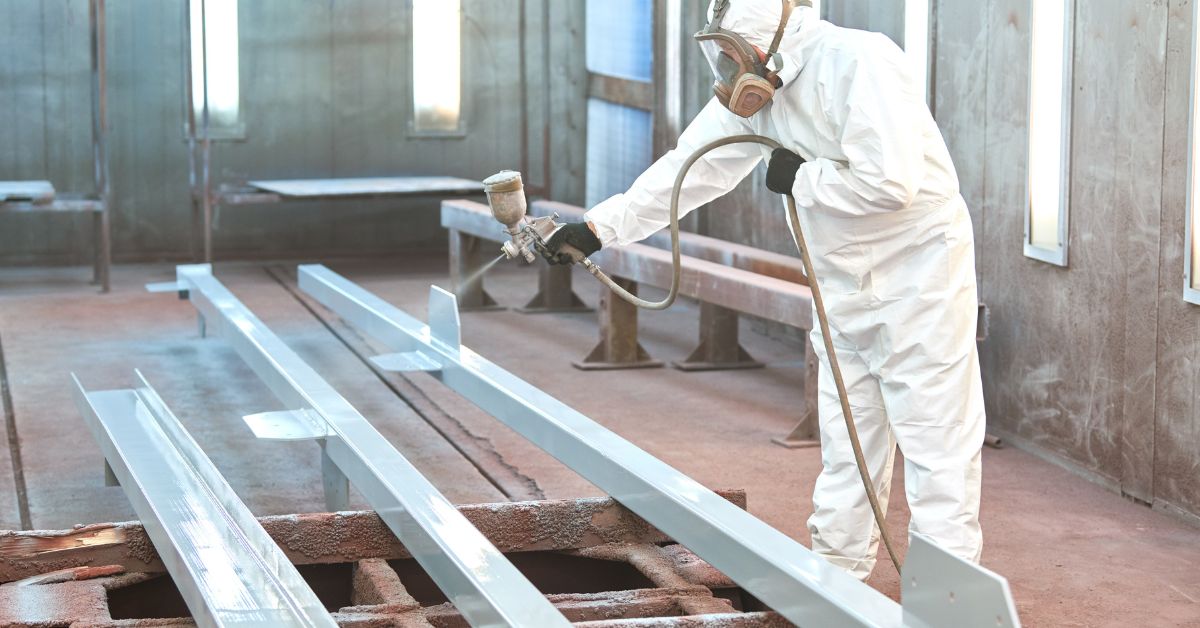
Selecting the right coating requires a clear understanding of operating conditions. Manufacturers must evaluate factors such as temperature, load, and exposure to corrosive elements. Each coating offers advantages, but its effectiveness depends on how well it matches the application.
A tailored approach ensures that coatings deliver maximum value. Instead of applying a standard solution, manufacturers can choose a coating that directly addresses their challenges. This strategy improves performance while reducing maintenance and replacement costs.
Industrial Plating Company supports this process by offering a wide range of coating and finishing services tailored to industrial applications. We help customers improve equipment performance and extend service life.
Coatings protect new components and restore worn equipment. Manufacturers can remove damaged surfaces and apply new coatings that return parts to their original specifications. This approach reduces waste and minimizes downtime.
Restoration through coating application allows companies to maintain productivity without investing in new components. It also ensures that repaired parts meet the same performance standards as new ones. This capability provides both economic and operational benefits.
Each type of coating contributes to improved efficiency by reducing wear and maintaining surface quality. When components operate smoothly, they consume less energy and produce more consistent results. This efficiency supports higher output and better product quality.
Longer component life also reduces the frequency of maintenance and replacement. Manufacturers can focus on production rather than repairs, which improves overall operational performance. These benefits make coatings an essential part of modern manufacturing strategy.
Manufacturers depend on specialized surface technologies to maintain performance, reduce downtime, and extend equipment life, which highlights the importance of coating solutions for modern manufacturing needs. Each coating type offers unique advantages that address specific challenges, from wear resistance to corrosion protection and thermal stability.
At Industrial Plating Company, we provide advanced coating services that help manufacturers select and apply the right solution for their equipment. Our expertise includes HVOF coatings, which deliver dense, durable surfaces for demanding applications. By combining proven processes with industry experience, we help customers achieve reliable performance and long-term value. Get a quote today to learn more.


