
Industrial equipment performs best when moving surfaces resist wear and operate with minimal friction. Components that experience repeated contact gradually lose material, which reduces efficiency and increases operating temperatures over time. As surfaces deteriorate, maintenance demands grow and unexpected equipment failures become more likely.
Selecting coatings that reduce friction and downtime helps manufacturers protect critical components while extending service life and lowering operating costs. Different coating technologies solve different performance challenges, making the selection process just as important as the coating itself. Understanding how each option works allows manufacturers to match the right surface treatment to every application and keep production running with fewer interruptions.
Hard chrome plating remains one of the most common industrial coatings because it produces an exceptionally hard, smooth surface that minimizes friction. Hydraulic cylinders, rollers, shafts, and other precision components benefit from the coating's ability to reduce resistance during operation. Lower friction allows moving parts to perform more efficiently while reducing wear on bearings, seals, and mating surfaces. Components maintain their dimensional accuracy longer, allowing equipment to operate within design specifications despite demanding production schedules.
Hard chrome also provides an effective solution for restoring worn equipment instead of replacing it. Technicians machine damaged surfaces, apply the coating, and precision grind the finished part back to its required dimensions. This process extends component life while reducing replacement costs and limiting production delays. Restored parts often return to service with performance comparable to new equipment, making hard chrome an economical choice for many industrial applications.
Some operating environments expose equipment to constant abrasion that quickly damages untreated metal surfaces. Mining equipment, converting machinery, pumps, and processing equipment often handle abrasive materials that shorten component life. Tungsten carbide coatings provide exceptional hardness, allowing critical surfaces to withstand severe wear without sacrificing dimensional stability. Their durability makes them an excellent choice for equipment that must continue performing under continuous mechanical stress.
Thermal spray application creates a dense coating that bonds securely to the base material while providing outstanding wear resistance. Pump sleeves, seal surfaces, rotating shafts, and rollers frequently benefit from tungsten carbide because the coating slows surface deterioration before it affects equipment performance. Components remain smoother throughout their operating life, reducing friction caused by worn or damaged surfaces. Longer maintenance intervals also help facilities avoid unnecessary downtime while improving overall equipment reliability.
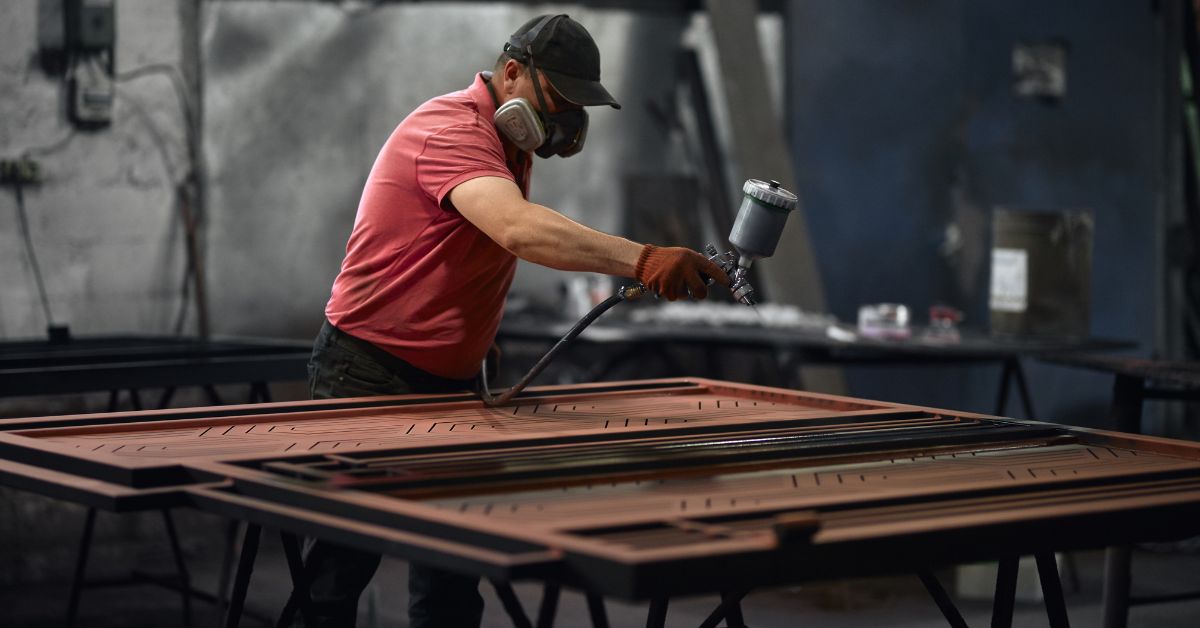
Many industrial applications generate temperatures that reduce the effectiveness of conventional surface treatments. Fans, exhaust systems, boiler components, and process equipment require coatings that maintain their hardness while operating in elevated temperatures. Chromium carbide coatings provide excellent wear resistance under these demanding conditions, making them a dependable choice for equipment that experiences continuous heat and friction.
Unlike coatings designed primarily for moderate operating environments, chromium carbide maintains its protective properties without softening under thermal stress. The coating helps preserve smooth contact surfaces, allowing moving components to continue operating efficiently while reducing wear caused by repeated sliding contact. Equipment remains in service longer because surfaces resist the gradual deterioration that often leads to costly repairs.
Many industrial environments expose equipment to both mechanical wear and corrosive conditions. Chromium carbide helps address both challenges by combining excellent abrasion resistance with protection against many corrosive operating environments. This combination allows components to retain their surface finish while resisting damage that could increase friction over time. As a result, maintenance teams spend less time replacing worn parts and more time focusing on planned maintenance activities.
Chrome oxide coatings create dense ceramic surfaces that perform exceptionally well in applications involving sliding contact. Seal surfaces, pump components, rollers, and precision shafts benefit from the coating's high hardness and excellent resistance to abrasion. The coating maintains a smooth surface finish throughout extended service, allowing moving parts to operate with less resistance while reducing wear on adjacent components.
Because chrome oxide resists surface damage so effectively, equipment maintains consistent operating performance for longer periods. Stable surface finishes also help preserve proper sealing characteristics, reducing leakage and preventing unnecessary wear that can interrupt production.
Aluminum oxide coatings provide excellent protection for components exposed to abrasive conditions while also offering electrical insulation where required. Although manufacturers do not choose these coatings primarily to reduce friction, they prevent surface damage that increases resistance as components wear. Maintaining surface integrity allows machinery to continue operating efficiently while extending component life.
Alumina-titania coatings improve toughness by combining aluminum oxide with titanium oxide. This enhanced durability makes the coating well suited for applications involving repeated mechanical loading or impact. Components retain their protective surface longer, reducing maintenance frequency while supporting reliable equipment performance.
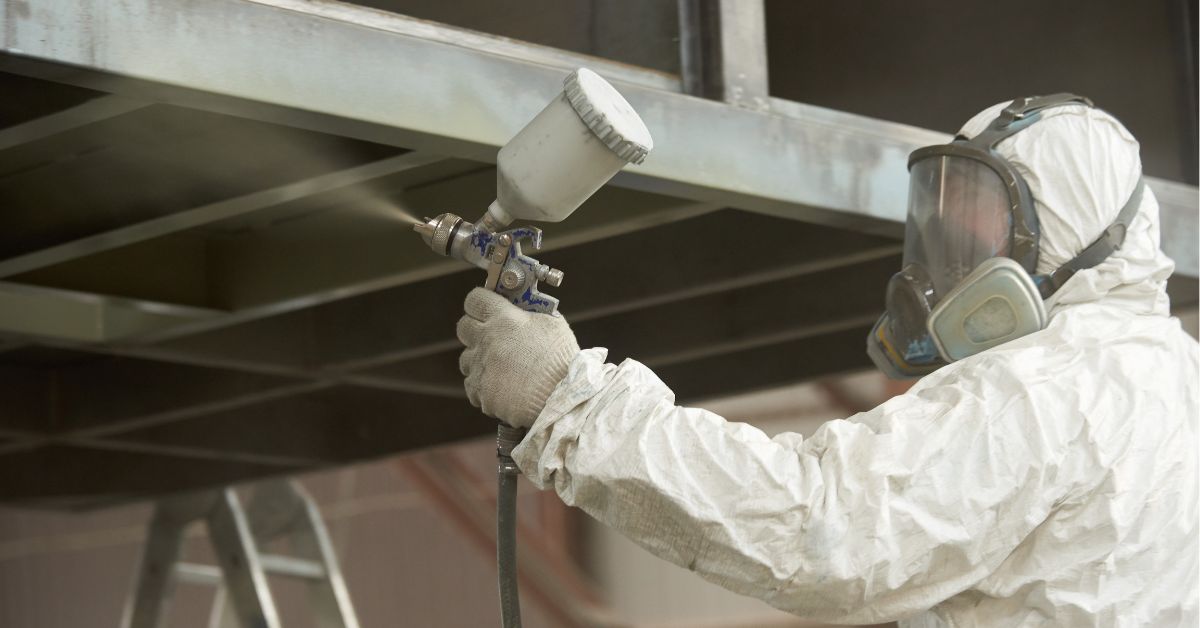
Applying the proper coating represents only one step in reducing friction. Precision grinding and polishing ensure coated components achieve the surface finish required for reliable operation. Hydraulic rods, bearing journals, rollers, and seal surfaces often require carefully controlled finishes that minimize resistance without compromising dimensional accuracy.
A properly finished coating distributes loads more evenly across contact surfaces, helping prevent localized wear that shortens equipment life. Precision finishing also restores exact tolerances after coating application, ensuring repaired components perform as intended once they return to service.
Every industrial application presents unique operating challenges, making coating selection a technical decision rather than a standard purchase. Hard chrome plating provides smooth, low-friction surfaces for precision components, while tungsten carbide delivers outstanding abrasion resistance in severe wear environments. Chromium carbide protects equipment exposed to elevated temperatures, and ceramic coatings offer specialized solutions for demanding sliding applications. Working with an experienced coating provider ensures every component receives the protection best suited to its operating conditions.
Industrial Plating Company helps manufacturers select and apply coatings that reduce friction and downtime while restoring valuable components to precise specifications. We also offer dynamic balancing machine services that improve rotating equipment performance, reduce vibration, and help keep critical machinery operating in top condition for greater reliability and longer service life. With over 50 years of experience, we have the right expertise and equipment to tackle nearly any job. Contact us to learn more.


