
Industrial manufacturers depend on equipment that can withstand demanding operating conditions day after day. When critical components wear prematurely or suffer damage from corrosion, productivity often declines while maintenance costs increase. Surface treatments help address these challenges by enhancing the performance of a component's exterior without requiring a complete material change.
However, selecting a coating or treatment is rarely straightforward. A process that performs exceptionally well in one application may provide limited value in another. Understanding the tips for choosing the right surface treatment process helps manufacturers identify solutions that support reliability, extend service life, and improve overall equipment performance.
Before evaluating coating technologies, it is important to understand what the component experiences during normal operation. The environment often reveals more about coating requirements than the component itself.
A part that operates in a climate-controlled facility may encounter very different challenges than one exposed to moisture or abrasive materials. Equipment used in industrial processing can face constant contact with substances that gradually degrade unprotected surfaces. Temperature can also become a deciding factor, particularly when components operate near heat sources or inside demanding production systems. When manufacturers define operating conditions accurately, they can narrow the list of suitable treatment options more effectively.
Surface treatments deliver value when they address a specific performance challenge. Without a clear objective, coating selection becomes difficult and results often fall short of expectations.
In some situations, wear resistance becomes the primary concern because components lose material during operation. Other applications struggle with corrosion that gradually weakens surfaces over time. Certain environments place heavy thermal demands on equipment, making temperature resistance the most important requirement.
Rather than starting with available coating technologies, facilities benefit from identifying the root cause of performance loss. When manufacturers clearly understand the problem, they can select a surface treatment much more effectively.
Every coating relies on the material beneath it for support. Because of this relationship, substrate characteristics should always play a role in treatment selection.
Steel components often respond differently than aluminum components during preparation and application. Surface condition, material composition, and operating stress can all affect coating performance after installation. An incompatible substrate can limit the effectiveness of even the most advanced treatment.
Experienced coating specialists evaluate the entire component rather than focusing solely on the treatment itself. This approach helps ensure stronger adhesion and improved long-term durability.
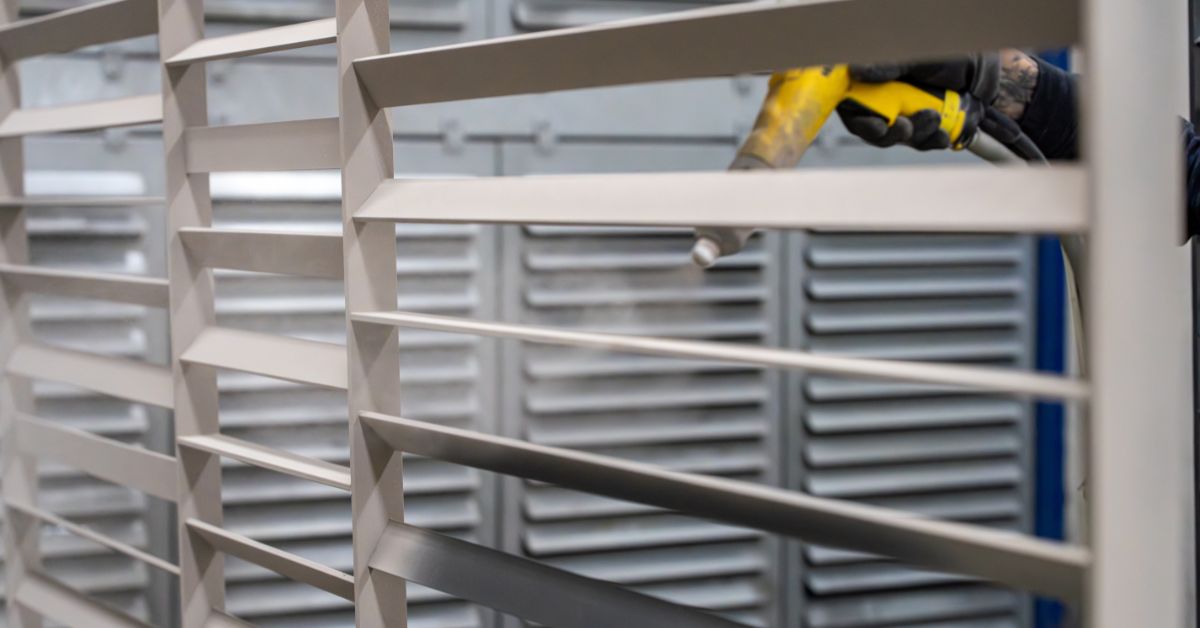
Many organizations describe component failure as wear, yet that term can represent several different conditions. Looking deeper into the cause of material loss often reveals important information that influences treatment selection.
A component exposed to abrasive particles experiences a different form of damage than a shaft operating under continuous friction. In another application, high-velocity particles may gradually erode the surface through repeated impact. Although each situation results in material loss, the protective requirements differ considerably.
Matching the treatment to the wear mechanism improves performance and helps maximize service life. Without that analysis, coating selection often becomes a matter of trial and error.
Corrosion is often associated with visible rust or surface deterioration, but the consequences frequently extend beyond appearance. As corrosion progresses, it can compromise component integrity and reduce operational reliability.
The speed of corrosion depends heavily on environmental exposure. Moisture, chemical contact, and aggressive process conditions can accelerate degradation when surfaces remain unprotected. Once corrosion begins, maintenance requirements often increase as equipment performance declines.
A properly selected surface treatment creates a barrier that helps isolate the substrate from harmful conditions. Choosing that treatment requires a realistic assessment of the environment the component will face throughout its service life.
Heat affects materials in ways that are not always immediately visible. Over time, elevated temperatures can reduce a coating's effectiveness when engineers do not design the treatment for those conditions.
Industrial operations frequently expose components to thermal stress. Processing equipment, production machinery, and heated systems can all create environments where standard coatings struggle to maintain performance. A treatment that performs well at moderate temperatures may deteriorate rapidly when operating conditions change. Evaluating temperature requirements early in the decision-making process helps prevent costly failures and unexpected downtime.
Performance expectations often extend beyond durability alone. In many applications, the final surface finish directly affects how a component functions.
Sealing surfaces may require a smooth finish to maintain effectiveness. Rotating equipment often benefits from controlled surface characteristics that minimize friction. Certain manufacturing processes depend on precise finishes to maintain product quality. By considering finish requirements from the beginning, manufacturers can select treatments that support both protection and functionality.
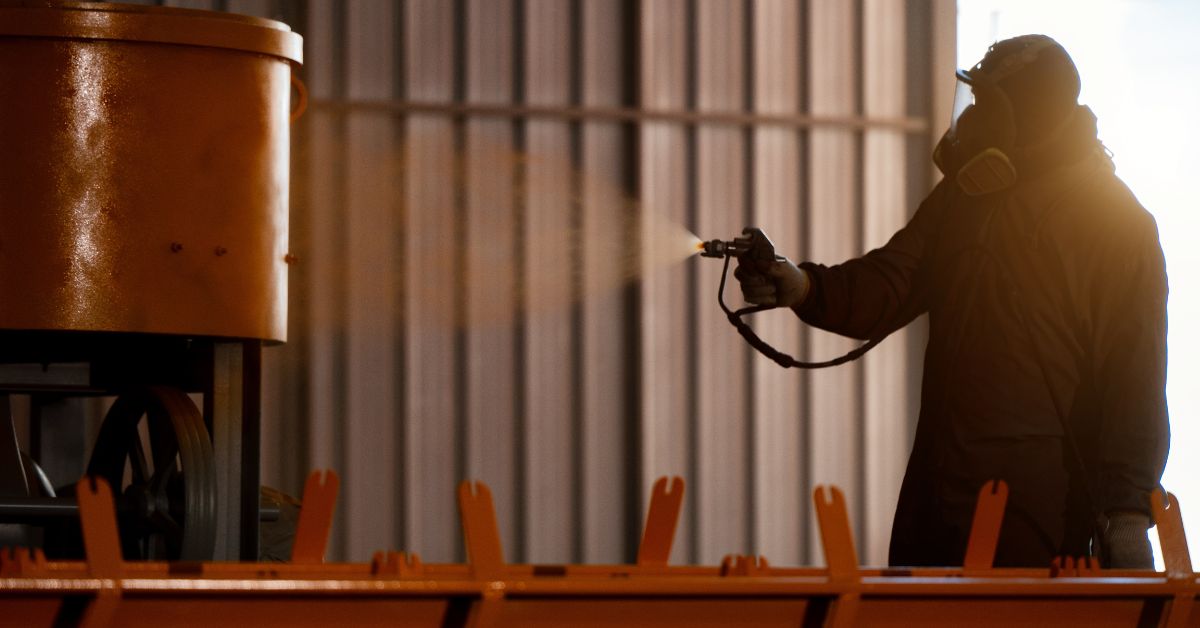
Price is an important consideration, but focusing exclusively on upfront cost can create larger expenses later. Evaluate surface treatments based on the value they provide throughout the life of the component.
A lower-cost solution may require more frequent maintenance or replacement. By comparison, a higher-performing treatment can reduce downtime and extend service intervals. Those long-term benefits often outweigh differences in initial application costs. Organizations that evaluate total ownership costs typically make more informed coating decisions.
Many industrial components can continue providing value long after wear becomes visible. Surface treatment technologies often make restoration possible without requiring complete replacement.
Repairing a worn component can reduce lead times and help control costs, particularly when replacement parts are difficult to obtain. In many cases, technicians restore damaged surfaces to their original dimensions and return components to service with improved protection.
For manufacturers focused on maximizing equipment life, repair capabilities should be part of the evaluation process when selecting a treatment solution.
Making the right coating decision requires more than comparing product data. Success depends on understanding how the component operates, what conditions it encounters, and which performance challenges pose the greatest risk. By following these tips for choosing the right surface treatment process, manufacturers can select solutions that improve reliability while helping equipment perform at a higher level for longer periods.
Industrial Plating Company has helped industrial manufacturers improve component performance through advanced coating technologies and surface finishing services since 1963. Among our specialized capabilities are plasma spray ceramic coating services designed to protect components operating in demanding environments. These coatings provide exceptional resistance to wear while helping components maintain performance under challenging conditions. Contact us to learn how our coating solutions can support equipment longevity and operational efficiency.


