
Electrical insulation plays a critical role in industrial equipment where conductive components operate near electrical current, heat, or sensitive systems. Plasma-sprayed ceramic coatings give manufacturers a way to add a durable insulating layer directly to metal surfaces without changing the entire component.
The electrical insulation benefits of plasma coatings can help protect parts from unwanted current flow while supporting reliable performance in demanding operating environments. For OEMs, equipment operators, and machine shops, these coatings offer a practical way to engineer electrical resistance into components that also face mechanical or thermal demands.
Plasma spraying uses a high-temperature plasma stream to heat coating material and propel it toward a prepared component surface. The material reaches the substrate as heated particles that flatten and solidify, gradually building a coating to the required thickness. When the process uses electrically insulating ceramic materials, the finished layer creates a barrier between the conductive metal substrate and its operating environment.
Ceramic coatings work well for electrical insulation because many ceramic materials resist the movement of electrical current. A properly selected plasma-sprayed ceramic can isolate a metal surface while allowing the underlying component to retain its structural properties. This approach gives manufacturers more flexibility than replacing a metal component with a completely nonconductive material.
Unwanted electrical conductivity can interfere with equipment performance or expose components to conditions they cannot handle. An insulating coating creates separation where designers need electrical resistance but still require the strength of a metallic base material. This combination can be valuable when a component must perform mechanically while remaining electrically isolated from another surface.
Plasma coatings also allow engineers to place insulation only where the component requires it. Instead of redesigning an entire assembly, manufacturers can coat selected surfaces and preserve the basic part geometry. That targeted approach can simplify component design while helping equipment meet specific operating requirements.
Electrical insulation becomes especially important when current leakage could affect adjacent parts or disrupt equipment operation. A ceramic barrier helps limit conductive paths across coated surfaces. The coating therefore becomes a functional part of the component rather than simply a protective finish.
The effectiveness of that barrier depends on coating selection and application quality. Material properties, coating thickness, surface preparation, and final finishing can all influence how the coating performs. Industrial applications require a coating system matched to the actual electrical and mechanical conditions of the part.
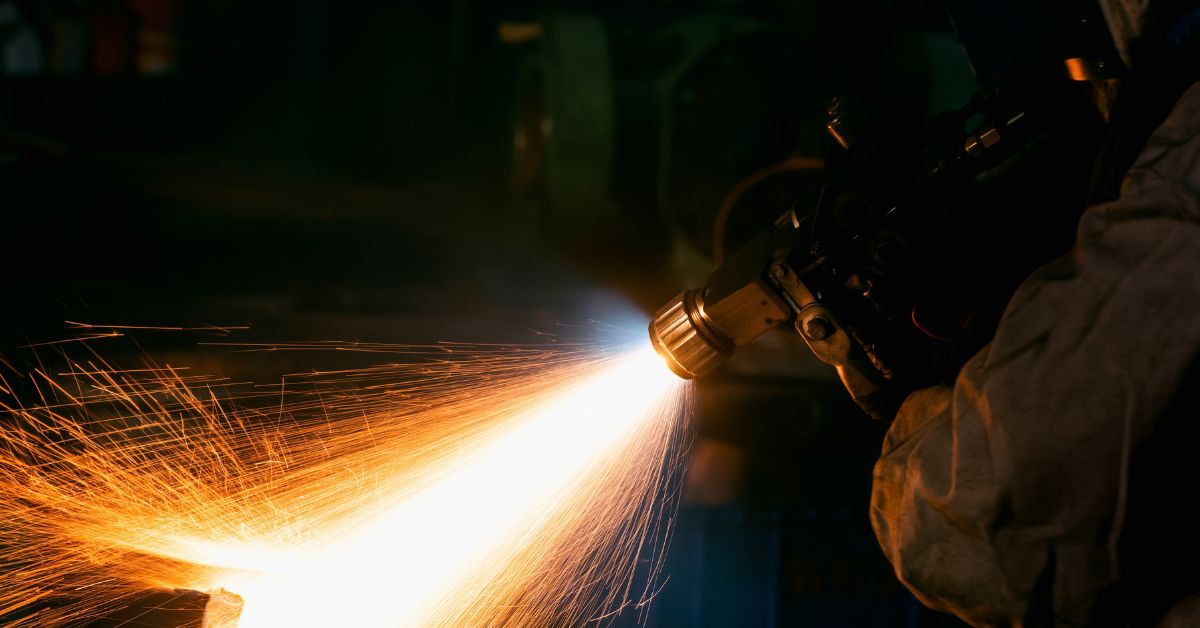
Thermal spray systems can apply ceramic materials that provide dielectric properties on metal components. Aluminum oxide, often called alumina, is a commonly used ceramic for applications that require electrical insulation. Other ceramic formulations may suit different operating conditions depending on the required surface properties and service environment.
Choosing a coating requires more than identifying a material with insulating characteristics. The applicator must consider how the part operates and what stresses the coating will encounter. Temperature exposure or mechanical contact may affect which ceramic system provides the best fit for a specific component.
No single plasma coating suits every electrically insulating application. A component exposed to elevated temperatures may need a coating system selected for thermal stability as well as dielectric performance. A part that experiences contact or movement may require attention to surface finish and coating durability.
The substrate also influences coating decisions. Coating professionals evaluate the base material and component geometry before establishing the application process. This evaluation supports an insulating surface suited to the finished part.
Industrial components often use metal because it provides the strength required to carry loads or maintain precise geometry. Yet the same conductivity that comes with metal can become a disadvantage in electrically sensitive areas. Plasma-sprayed ceramic coatings address this conflict by combining a metallic component with a nonconductive surface layer.
This construction allows the base part to continue performing its structural role. The ceramic coating changes the surface behavior where manufacturers need insulation. Manufacturers can therefore add a functional property without selecting a different substrate for the entire component.
Plasma spraying can coat many component shapes when the applicator can properly prepare and access the required surfaces. Robotic application can also support high-volume work or parts with complex geometries. Controlled processing helps manufacturers maintain repeatable coating placement when production requirements demand consistency.
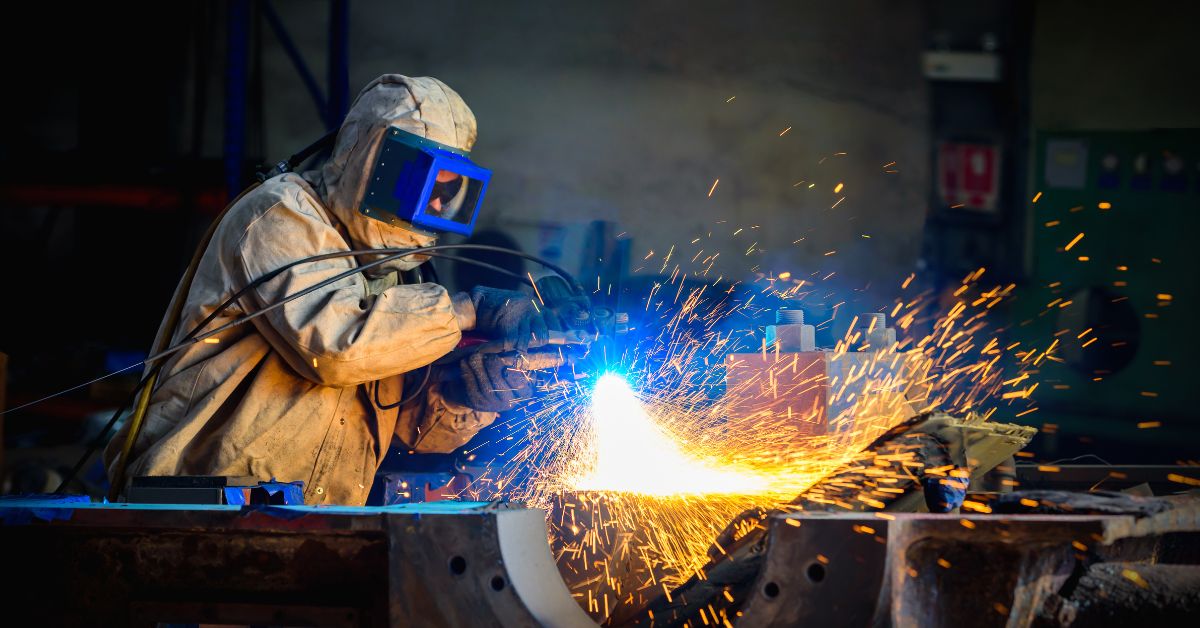
Electrical insulation performance depends partly on the integrity of the coating layer. The required thickness varies according to the coating material and the conditions the component will face. Applying more material does not automatically create a better result, so coating specifications should reflect the actual application.
Surface preparation also supports coating adhesion. Before plasma spraying, the applicator prepares the substrate so the deposited material can bond mechanically to the surface. Control helps produce a coating that remains functional during service rather than separating prematurely from the component.
A coating provider with machining and precision grinding capabilities can coordinate these operations with the thermal spray process. Keeping coating and finishing requirements aligned helps reduce complications between application stages. It also supports parts that need both functional insulation and controlled final dimensions.
Manufacturers can specify insulating plasma coatings on new components during production. This approach builds electrical resistance into the part before it enters service.
The electrical insulation benefits of plasma coatings make this process a valuable option when industrial metal components need a nonconductive surface while retaining the advantages of the underlying substrate. Proper material selection and controlled application can create an insulating barrier tailored to the component’s service conditions.
Industrial Plating Company has thermal spray coating services for manufacturers, equipment operators, and machine shops that need functional surface solutions for industrial parts. Contact us to discuss your component requirements and determine whether a thermal spray coating fits your application.


