
Pump plungers operate in some of the most punishing industrial environments, where pressure, friction, abrasive media, andcorrosive fluids constantly attack critical surfaces. Choosing the right surface solution directly affects uptime, maintenance cycles, and total ownership cost. High performance coatings for pump plungers protect dimensional integrity, maintain sealing performance, and extend service lifeunder extreme operating conditions.
While a seemingly simple geometry, a combination of precision machining and selection and application ofthe appropriate coating for the service conditions is paramount for achieving the best performance.
Properly applied and finished coatings enhance a wear component into a durable, production-ready asset that supports consistent output and reduced downtime.
Pump plungers function at the heart of positive displacement pumps, where they cycle continuously under high pressure. Each stroke generates friction against packing materials while simultaneously resisting chemical attackand abrasion from the pumped media. Inapplications such as oil and gas, chemical processing, water treatment, and industrial manufacturing, plungers face abrasive slurries, corrosive fluids,and fluctuating temperatures.
Without proper machining and surface protection, plungers wear prematurely. Surface scoring leads to packing failure, fluid leakage, and unplanned shutdowns. Corrosion pitting accelerates wear and compromises dimensional tolerances. Over time, these issues drive upmaintenance costs and reduce production efficiency.
Industrial operations cannot afford inconsistent plunger performance. Surface degradation affects the plunger itself and damages seals, packing, and adjacent components. The result is a cycle of recurringre placement and lost productivity.
Many pump plungers start with strong base materials such as alloy steels or stainless steels. While these materials provide structural strength, they often lack the surface hardness and chemical resistance requiredfor long-term durability. Relying solely on base material properties exposesthe component to gradual surface breakdown.
Even hardened steels eventually lose their surface finish when subjected to abrasive media. Stainless materials resist corrosion better than carbon steels, but they can still pit or gall under high load conditions.Once surface integrity declines, packing wear increases and efficiency drops.
Surface engineering addresses this limitation directly. Byenhancing the outer layer of the plunger without altering its core strength, coatings deliver targeted performance improvements where they matter most. This approach maximizes durability while preserving the mechanical properties of the underlying component.
There are several differenttypes of coatings that are applied to improve the performance of pump plungers.
Examples of Typical Coatings Applied
Industrial Hard chrome provides an economical option which offers a good cost vs. performance tradeoff. It’s strong performance provides a good option for operating environments that are not corrosive and are not extremely abrasive.
Thermal spray coatings play a central role in protecting pump plungers used in demanding industrial applications. These coatings createa dense, wear-resistant layer that bonds to the prepared surface. When applied correctly, they deliver exceptional hardness and corrosion resistance.
Tungsten carbide-based coatings are frequently selected for abrasive environments because they provide outstanding wear resistance. Ceramic coatings perform well in chemically aggressive settings. Spray and fused coatings are used to create ametallurgical bond which prevent delamination and corrosion.
Each coating system must match the operating environment. Factors such as fluid chemistry, pressure, temperature, and required surface finish determine the best solution. Selecting an incompatible coating can lead to early wear, adhesion issues, or surface breakdown, making proper application and finishing expertise critical to long-term performance.
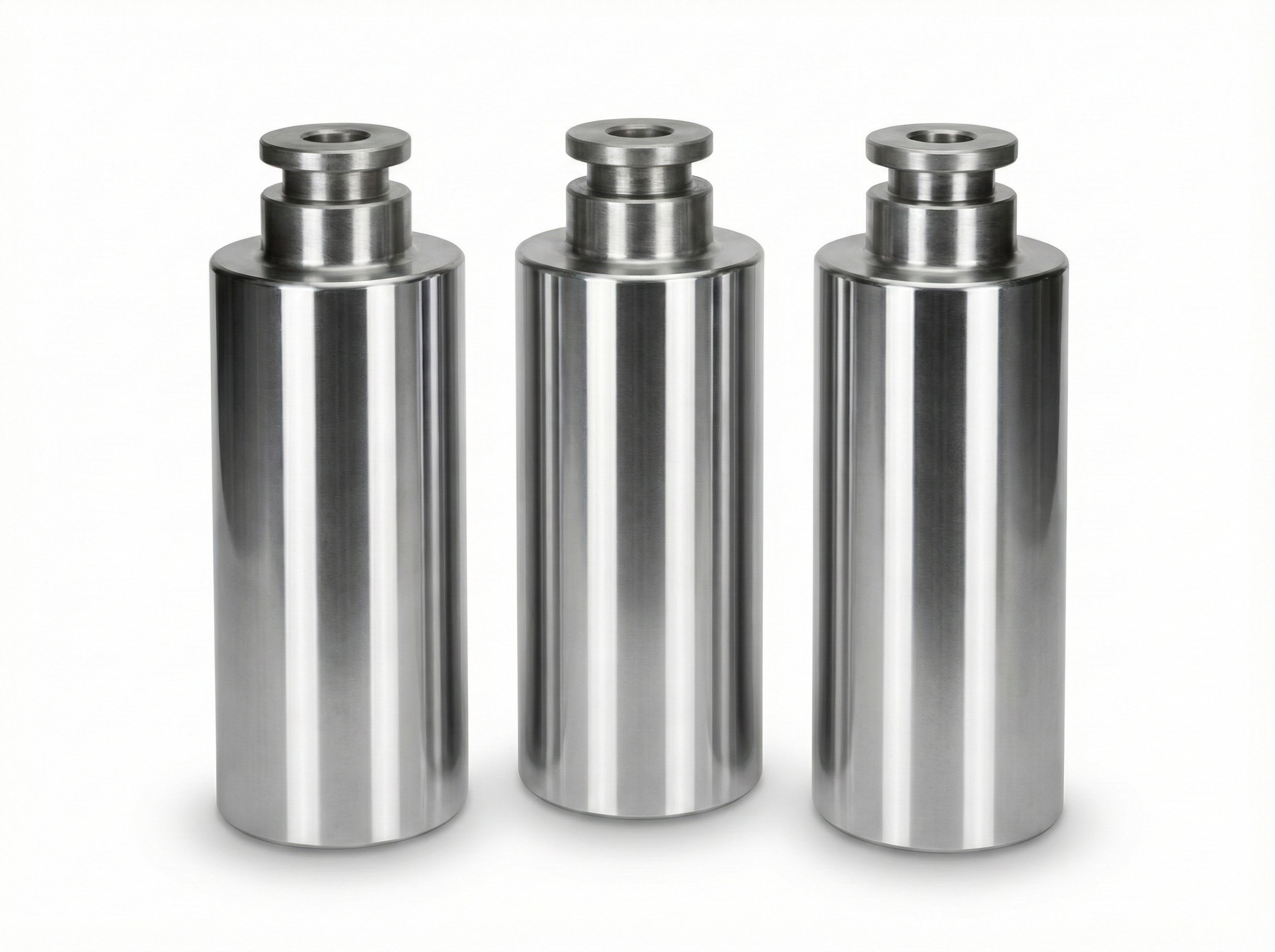
Applying a coating is only part of the solution. Pump plungers require precise dimensional tolerances and controlled surface finishes to function properly with packing and seals. After coating, precision grindingand finishing restore the plunger to its specified diameter and surfaceroughness.
A surface that is too rough accelerates packing wear and increases friction. A surface that is too smooth may compromise lubrication and sealing performance. Achieving the correct finish ensures proper interaction between the plunger and packing materials.
Dimensional consistency is equally critical. Technicians must carefully control coating thickness to allow for finish grinding while maintaining final blueprint requirements. Skilled machining and grindingprocesses ensure the coated plunger meets exact tolerances, supporting reliable performance in high-pressure systems.
Abrasive wear remains one of the leading causes of plunger failure. In applications that move slurry, sand-laden fluids, orparticulate-heavy media, surface erosion occurs rapidly. Hard, dense coatings significantly slow this process.
Carbide-based coatings create a barrier that resistsmicro-cutting and gouging. Instead of the base metal absorbing direct impactfrom abrasive particles, the coating takes the load. This protection maintains surface integrity longer, preserving seal contact and reducing leakage risk.
By extending wear life, coated plungers reduce replacement frequency. Maintenance intervals become more predictable, and inventory costsdecline. For OEMs and end users alike, this improvement directly supports operational efficiency.
Corrosion presents a different but equally seriouschallenge. Chemical exposure can cause pitting, surface degradation, andmaterial loss. Once corrosion begins, it often accelerates wear by creating irregularities that trap abrasive particles.
High performance coatings designed for chemical resistanceshield the base material from aggressive fluids. Nickel-based coatings formprotective barriers that withstand acidic or caustic environments. This added protection preserves dimensional accuracy and prevents premature surface breakdown.
In industries where fluid composition changes over time, selecting a coating that accommodates variable conditions becomes even more important. A well-chosen coating system reduces the risk of unexpected corrosion-related failures.
Pump plungers may require coating in two primary scenarios.OEM manufacturers often specify coatings for new components to enhance product durability and differentiate equipment performance. In these cases, coating becomes an integral part of the design.
End users and maintenance teams frequently seek coating solutions for repair and restoration. Instead of replacing an entire plunger, they can remove the worn surface, reapply a protective coating, and finishgrind the component back to original specifications. This process reduces leadtime and lowers overall cost compared to manufacturing a new part.
Repair-based coating applications also support sustainability goals. Restoring existing components minimizes material wasteand extends the lifecycle of valuable industrial assets.
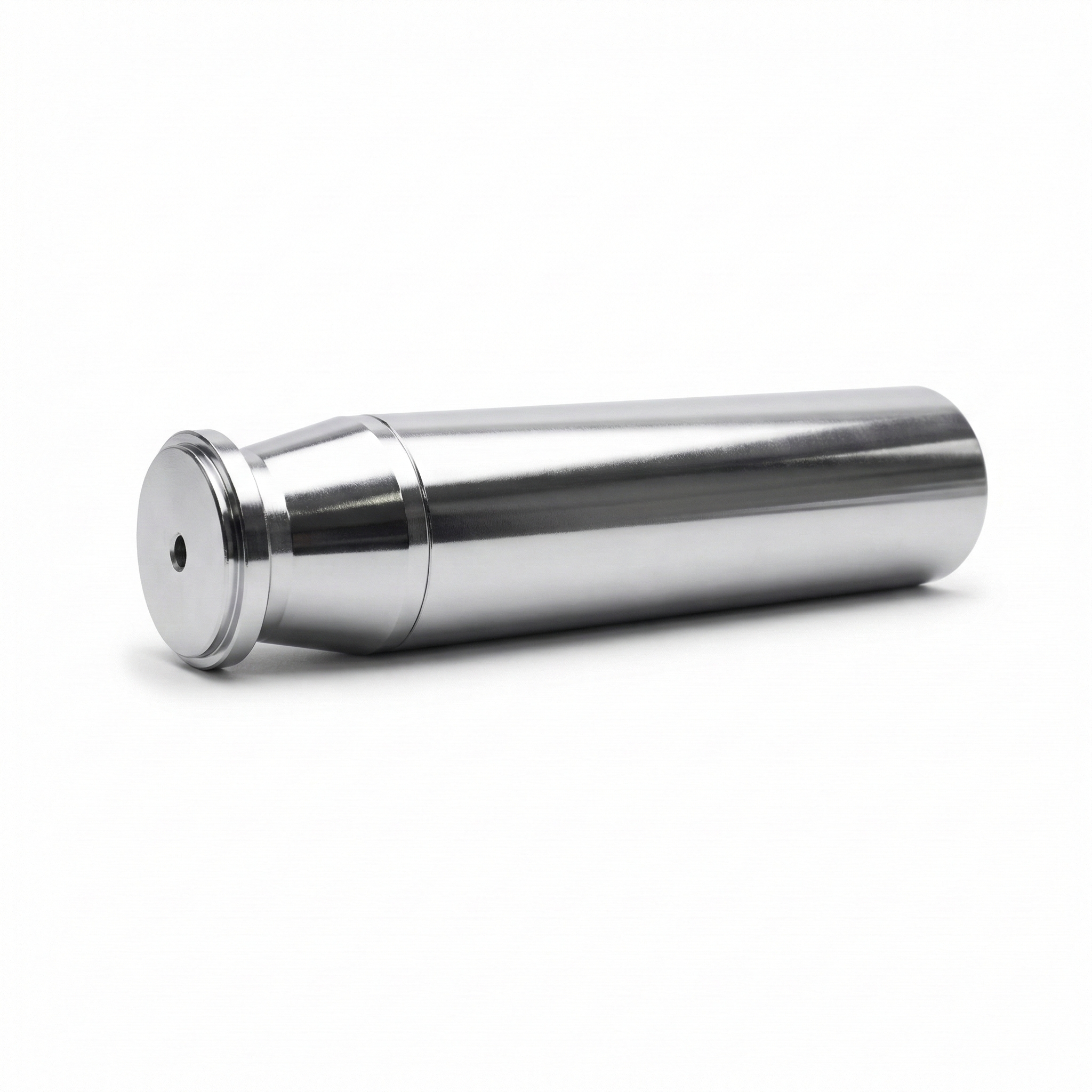
Industrial buyers focus on more than initial component cost.They evaluate total cost of ownership, including downtime, labor, replacement frequency, and production losses. Surface coatings directly influence each ofthese factors.
A properly coated plunger operates longer between service intervals. It maintains smoother interaction with packing, reducing seal wear and associated maintenance. It withstands environmental exposure without rapid degradation.
When production uptime improves, revenue stability follows.Fewer emergency repairs translate into safer, more predictable operations. ForOEMs, coating solutions strengthen equipment reputation in competitive markets.For end users, they provide measurable long-term value.
Selecting the right coating requires careful evaluation ofoperating parameters. Pressure levels, stroke frequency, fluid chemistry, temperature, and expected wear patterns all influence coating choice. There is no one-size-fits-all solution.
In high-pressure water jetting systems, extreme hardness maytake priority. In chemical injection pumps, corrosion resistance may outweigh abrasion concerns. In mixed environments, hybrid coating systems can balance both needs.
Application expertise ensures proper surface preparation, coating adhesion, and post-process finishing. Even the most advanced coating material cannot perform effectively without correct preparation and qualitycontrol. A disciplined process ensures consistency from one batch to the next, which is critical for OEM production and large-scale maintenance programs.
Successful coating performance depends on more than materialselection. It requires a provider with deep experience in surface engineering, precision finishing, and industrial quality standards. Industrial customers need reliable turnaround times, consistent results, and responsive technical support.
Industrial Plating Company offers a wide variety of thermal spray coating services to meet customer needs across demanding industries. With decades of expertise, advanced application capabilities, and precision finishing services, we support both OEM production and repair applications.
Industrial Plating’s can also offer turnkey service to manufacture the plunger including the appropriate coating for the customers application. Provinding these services under one roof ensuresthat the plungers meet all quality and performance requirements and reduces the lead time.
By combining proven processes with responsive service, Industrial Plating Company helps customers implement high performance coatings for pump plungers that extend service life, improve reliability,and reduce total ownership cost.


