
Industrial equipment operates under constant stress from friction, impact, moisture, chemicals, and demanding production schedules. Without protection, critical components wear down and corrode, often requiring costly replacement long before their expected service life. Manufacturers and maintenance teams often look for practical ways to increase durability while controlling operating costs. Understanding how coatings improve wear and corrosion resistance helps organizations protect valuable assets while maintaining reliable performance in challenging industrial environments.
Wear and corrosion remain two of the most common causes of equipment failure across industrial operations. Wear occurs when surfaces experience repeated friction, abrasion, erosion, or mechanical contact during normal operation. Corrosion develops when metal reacts with moisture, chemicals, process fluids, or environmental contaminants.
Even minor surface damage can create larger problems over time. As materials lose dimensional accuracy, equipment performance begins to decline. Components may require frequent maintenance, replacement, or rebuilding. These issues increase downtime and create unnecessary expenses for manufacturers that depend on consistent production.
Industrial environments often expose equipment to both wear and corrosion simultaneously. A component weakened by corrosion becomes more vulnerable to mechanical wear. Likewise, worn surfaces can expose fresh material that corrodes more rapidly. Effective protection must address both threats.
Industrial coatings create a barrier between a component and the environment surrounding it. This barrier helps prevent direct contact with damaging elements that accelerate deterioration. Depending on the application, coatings can provide protection against abrasion, chemical attack, oxidation, moisture exposure, elevated temperatures, or surface fatigue.
Unlike untreated metal surfaces, coated components resist damage that would otherwise reduce performance. The coating absorbs or deflects harmful forces before they reach the underlying substrate. This protective layer allows equipment to operate longer while maintaining critical dimensions and functional characteristics.
Manufacturers can apply many coating systems to new components during production or to existing parts during repair and restoration projects. This flexibility makes coatings valuable throughout the entire equipment lifecycle.
Wear resistance represents one of the primary reasons manufacturers use industrial coatings. During operation, equipment surfaces experience continuous contact with particles, materials, and moving components. Without protection, these interactions gradually remove material from the surface.
Wear-resistant coatings create a harder, more durable surface capable of withstanding demanding operating conditions. The coating serves as the sacrificial layer that absorbs abrasion and friction. As a result, the underlying component experiences significantly less damage.
This protection is especially valuable for shafts, rollers, pump components, hydraulic rods, and other industrial wear parts. Maintaining proper dimensions helps equipment perform consistently while reducing the need for premature replacement. In many applications, coatings help organizations restore worn parts instead of purchasing new components.
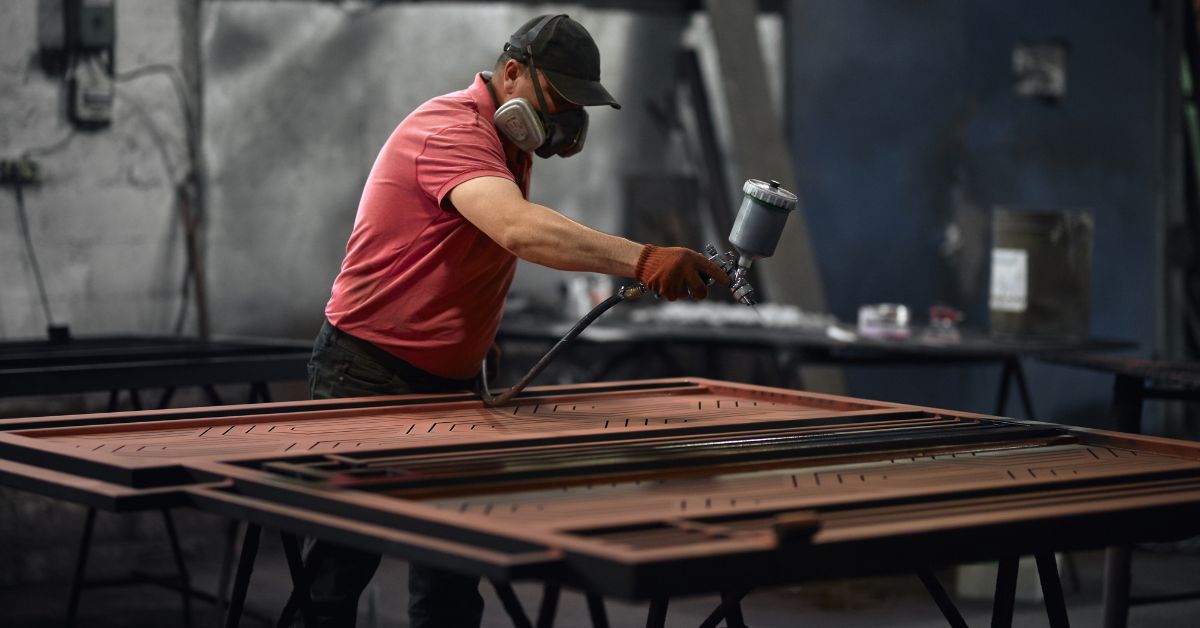
Corrosion resistance plays an equally important role in equipment protection. Moisture, chemicals, salt exposure, and process environments can attack unprotected metal surfaces. Once corrosion begins, it can spread beneath the surface and compromise structural integrity.
Protective coatings isolate the substrate from corrosive elements. By limiting exposure to water, oxygen, and aggressive chemicals, coatings slow or prevent corrosion from developing. This barrier protection helps maintain the strength and functionality of critical components.
Certain coating technologies also provide enhanced resistance in highly aggressive environments where standard materials would fail quickly. Selecting the appropriate coating depends on the operating conditions, chemical exposure levels, and performance requirements of the application.
No single coating provides the best solution for every application. Successful coating selection requires understanding the environment in which the equipment operates. Factors such as temperature, pressure, material contact, chemical exposure, and operating speed influence coating performance.
Some coatings prioritize wear resistance for abrasive environments. Others focus on corrosion protection in chemically aggressive settings. Certain coating systems balance multiple performance characteristics to address complex operating conditions.
Engineers and maintenance professionals evaluate these requirements carefully before choosing a coating solution. Matching coating properties to application demands helps maximize performance and achieve the desired service life.
Surface engineering allows manufacturers to improve component performance without changing the base material. Instead of replacing an entire component with a more expensive alloy, companies can apply a specialized coating that delivers the required protection.
This approach often reduces costs while improving reliability. The coating improves surface performance in the areas that need protection most, while the substrate provides structural support. The result is a durable component capable of handling challenging operating environments.
Longer equipment life also creates operational benefits. Maintenance schedules become more predictable, replacement intervals extend, and production disruptions occur less frequently. These improvements support greater efficiency across manufacturing operations.
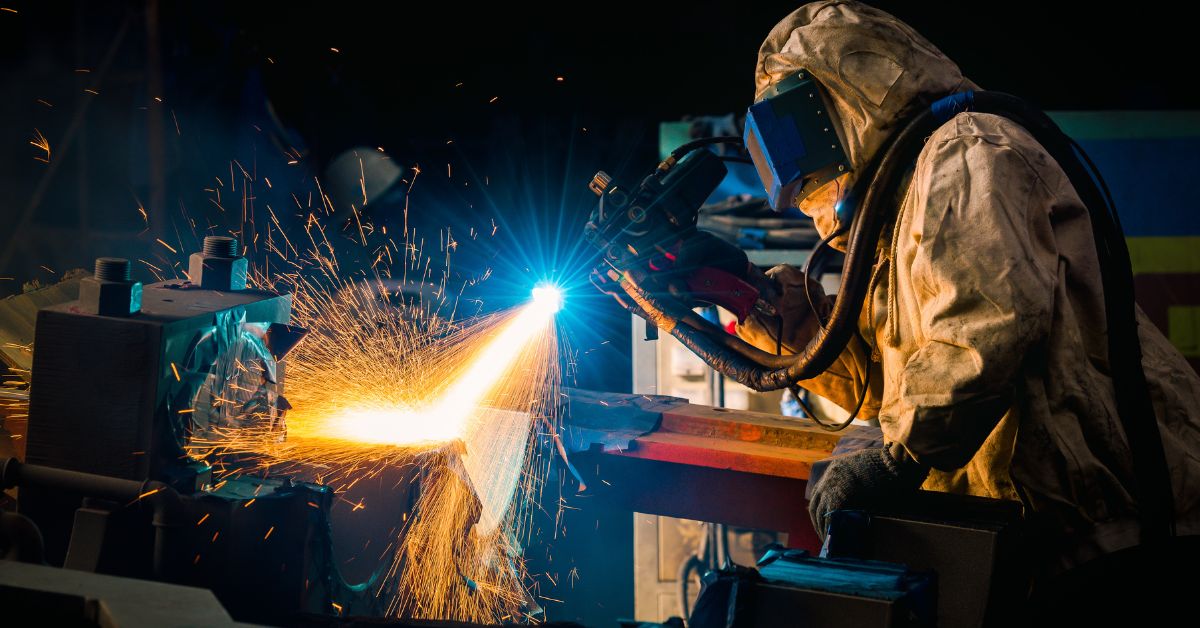
Industrial coatings do more than protect new components. They also play a significant role in repair and restoration programs. Technicians can rebuild many worn parts through coating application and precision finishing processes.
Rather than discarding expensive equipment components, organizations can restore critical surfaces to original specifications. This strategy often reduces costs compared to full replacement while returning equipment to service more quickly.
Repair and restoration projects help maximize asset value and reduce waste. When performed correctly, coated and restored components can deliver performance comparable to new parts in many industrial applications.
OEMs frequently use coatings to improve product durability and enhance customer satisfaction. Equipment that resists wear and corrosion typically experiences fewer failures and lower warranty concerns. Improved performance also strengthens product reputation in competitive markets.
Industrial facilities benefit through reduced maintenance costs and improved equipment availability. Coated components remain in service longer and require less frequent intervention. This reliability supports production goals while helping organizations manage operating expenses.
Machine shops also rely on coating providers when customers require specific surface performance characteristics. Applying the correct coating can help replacement parts meet demanding operational requirements.
Wear and corrosion remain persistent challenges across industrial environments, but advanced coating technologies provide an effective solution. Understanding how coatings improve wear and corrosion resistance allows manufacturers to protect equipment, improve reliability, and extend component life. By selecting coatings that match operating conditions, organizations can reduce maintenance demands while improving overall performance.
Industrial Plating Company offers industrial finishing and plating services that help customers protect new components, restore worn parts, and achieve long-term durability for critical equipment used throughout modern manufacturing. With decades of experience supporting industrial customers, we work with OEMs, end users, and machine shops to apply coating solutions tailored to specific operating demands. Get a quote to learn how our services help improve productivity and support dependable equipment performance today.


