
Dimensional restoration gives manufacturers a practical way to recover worn industrial components without immediately replacing them. As shafts, rolls, bearing fits, and other precision parts operate, wear can change critical dimensions and interfere with proper fit or function. Restoration rebuilds the affected surface so technicians can return the component to its required size and finish. Understanding how dimensional restoration saves critical parts helps maintenance teams protect valuable equipment while avoiding unnecessary replacement when the underlying component remains serviceable.
Industrial components rarely wear evenly throughout their service life. Contact between moving surfaces can gradually remove material from bearing areas, seal surfaces, journals, and other working zones. Corrosion can also attack exposed metal and alter dimensions in locations where accurate fit matters. Once enough material disappears, a component may no longer interact correctly with the parts around it.
Even a durable component can become unusable when wear changes a critical diameter or surface profile. A shaft may remain structurally sound while its bearing seat becomes undersized. A roll may continue to have a usable core even though its working surface no longer meets the required dimension. Dimensional restoration targets localized loss instead of treating the entire component as scrap.
Restoration begins with an evaluation of the worn component and its service requirements. The repair provider must understand where material has been lost and what finished dimensions the part needs. The condition of the base material also matters because restoration only makes sense when the component can support the repair and return to service.
Proper surface preparation creates the foundation for a successful restoration. Technicians can then prepare the repair area for the selected plating or coating process. Careful preparation helps the restored layer bond properly and supports consistent finishing afterward.
Industrial plating and coating processes can add material to worn areas until enough buildup exists for final machining or grinding. The appropriate process depends on the component, operating environment, and performance requirements. That combination allows the repair to recover dimensions while addressing conditions that contributed to surface deterioration.
Added material alone does not complete a dimensional repair. The rebuilt area must be finished to the size and surface requirements of the application. Precision grinding or machining removes controlled amounts of deposited material and establishes the final geometry. This finishing stage allows the restored component to fit correctly within the equipment again.
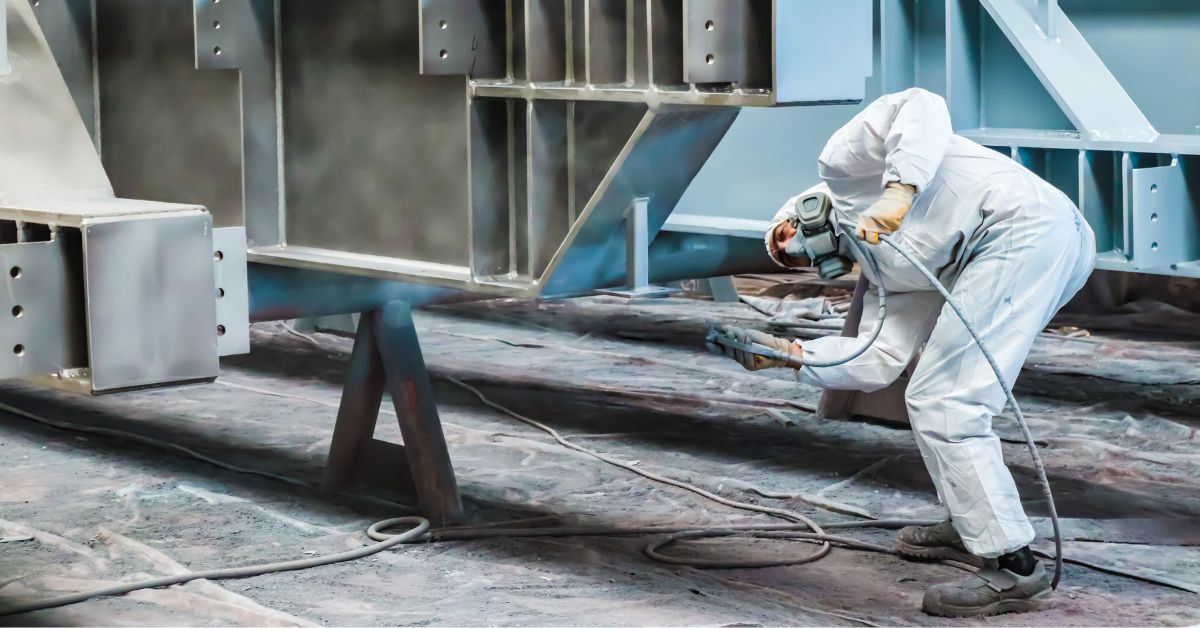
Replacement can appear straightforward, but critical industrial parts are not always easy to obtain. A component may require specialized manufacturing, a long procurement process, or coordination with an original equipment manufacturer. Restoration gives facilities another path when a worn part still has a sound foundation.
Repair can also preserve components that already match a machine and its operating requirements. Instead of manufacturing an entirely new part, a qualified provider can focus work on the worn surface. This approach can reduce the amount of new material and machining required to recover a usable component. For maintenance teams, that can make restoration a practical option when time and total operating cost matter.
Many industrial components depend on controlled dimensions at specific contact surfaces. Shafts are a common example because journals and bearing fits can wear while the rest of the shaft remains usable. Rolls and other rotating components can develop similar dimensional problems at working surfaces. Restoring these areas can recover the fit needed for reliable operation.
A worn dimension can affect how parts align or transfer loads during operation. Excess clearance at a bearing fit may interfere with the intended relationship between components. Restoring the affected area helps bring that interface back toward the required specification. Accurate finishing is especially important because the repair must match the equipment rather than simply cover the worn surface.
Critical parts often represent significant value beyond the raw material used to make them. They may include complex machining or features that take time to reproduce. When wear affects only a limited surface, discarding the entire component can waste much of that existing value. Dimensional restoration concentrates the repair where the application requires it and keeps the usable portion of the part in service.
No single plating or coating process suits every dimensional repair. The service environment influences which surface technology makes sense. A component exposed to abrasive contact may need a different solution than one facing corrosive conditions. Temperature and required surface finish can affect the repair approach.
Some processes are better suited to particular thickness ranges or finishing requirements. The repair provider should evaluate the component as a complete application rather than selecting a coating based only on its name. Matching the restoration method to operating conditions helps support a durable repair.
Dimensional accuracy and surface finish work together. A repaired journal can reach the correct diameter yet still perform poorly if its surface does not meet application requirements. Grinding and other finishing operations help establish the final condition needed for contact with bearings, seals, or mating components. The desired finish should therefore be part of the repair plan from the beginning.
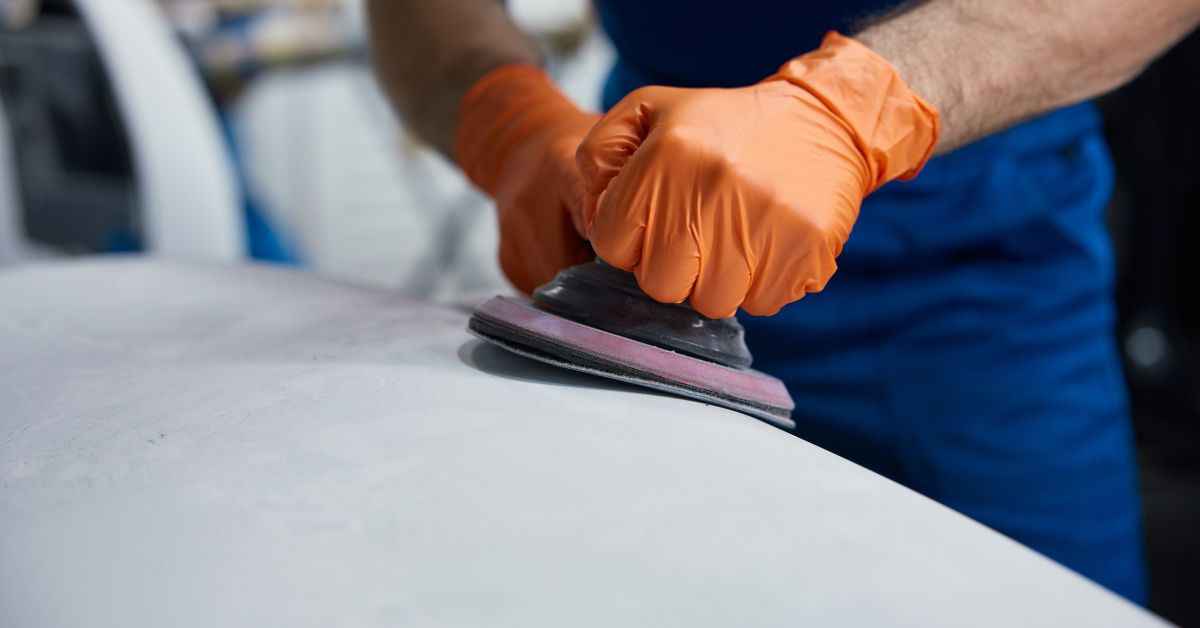
Restoration works best when wear has changed a repairable surface but the component remains a suitable candidate for continued service. Evaluation should come before any decision to rebuild. A qualified service provider can review the part condition and determine whether plating, coating, machining, or grinding can return the affected area to specification.
Manufacturers should also consider the consequences of replacement lead time. When a critical component is difficult to source, restoring an existing part may help shorten the path back to production. The decision should still account for the part's condition and operating demands. A sound restoration strategy balances repair feasibility with the performance the equipment requires.
Knowing how dimensional restoration saves critical parts can help manufacturers make better repair decisions when wear changes important surfaces. Rather than automatically replacing a valuable component, dimensional restoration can rebuild worn areas and return them to the required size and finish when the part remains repairable.
Industrial Plating Company provides industrial plating services along with finishing, machining, and precision grinding capabilities for industrial customers. Our team can apply coating technology to worn components, remove existing coatings when needed, and restore parts toward their original specifications for continued service. Contact us today to learn more.


