
Industrial pumps operate in harsh environments where abrasion, pressure, heat, and chemicals damage critical components. Early pump failure increases downtime and maintenance costs while reducing productivity. Understanding how industrial coatings can prevent premature pump failure helps manufacturers protect equipment and improve reliability. Protective coatings shield pump surfaces from wear and help systems maintain performance in demanding applications.
Industrial pumps face continuous exposure to aggressive conditions that gradually damage internal surfaces. Slurry pumps move abrasive materials that erode metal surfaces over time. Chemical processing pumps encounter corrosive substances that weaken critical components. High-speed rotating equipment creates friction that wears down shafts, sleeves, and sealing areas.
Many pump failures begin as small surface imperfections that worsen during operation. Corrosion pits create uneven surfaces that interfere with sealing performance. Abrasive particles remove material from impellers and housings, reducing efficiency and altering flow characteristics. Repeated exposure to these conditions eventually causes leaks, vibration, overheating, or complete equipment failure.
Facilities often replace damaged parts without correcting the underlying wear issue. This cycle leads to repeated downtime and rising maintenance expenses. Industrial coatings address the root causes of damage by strengthening vulnerable surfaces before severe wear develops.
Industrial coatings improve the durability of pump components by adding specialized surface protection tailored to operating conditions. Instead of relying solely on the base material, manufacturers can apply coatings that resist abrasion, corrosion, heat, or friction.
Different coating technologies serve different operational goals. Some coatings provide exceptional hardness to combat abrasive wear. Others create corrosion-resistant barriers that protect against chemical attack. Certain coatings reduce friction and improve surface smoothness, helping rotating equipment operate more efficiently.
Pump systems rarely fail because of a single factor. Most failures occur because several operating conditions combine over time. Industrial coatings help minimize these combined effects by protecting the most vulnerable surfaces throughout the equipment lifecycle.
Abrasive wear remains one of the most common causes of pump failure in industrial environments. Mining operations, power generation facilities, and manufacturing plants often move materials containing sand, ash, fibers, or other abrasive particles. These materials gradually erode metal surfaces during operation.
Impellers, casings, shafts, and wear sleeves experience the highest levels of abrasive contact. Once these surfaces begin wearing unevenly, pump efficiency declines rapidly. Operators may notice reduced flow rates, pressure inconsistencies, or increased vibration.
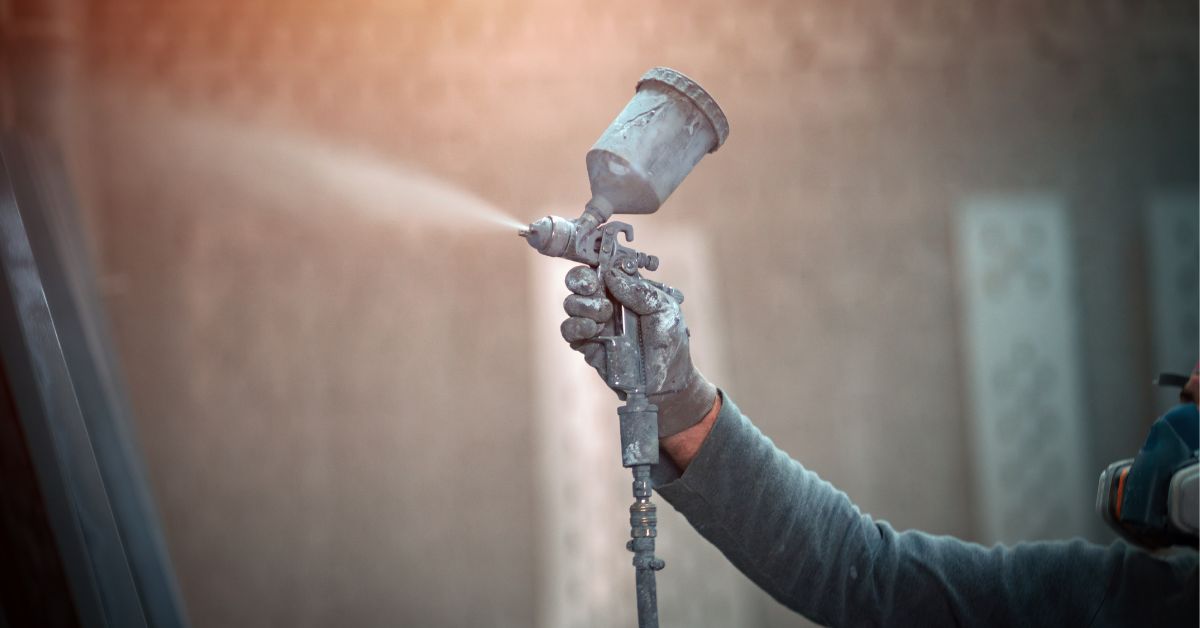
Wear-resistant industrial coatings provide a hardened surface that withstands constant particle impact. Thermal spray coatings, carbide-based coatings, and specialized hard-facing solutions help reduce material loss in high-wear areas. These coatings allow components to maintain dimensional stability longer, which helps preserve pump performance.
Extending the service life of wear components reduces the frequency of repairs and replacement cycles. Facilities can maintain production schedules more effectively while lowering long-term operating costs.
Corrosion causes significant damage in pump systems exposed to moisture, chemicals, or extreme environmental conditions. Even minor corrosion can weaken sealing surfaces and compromise the integrity of rotating components.
Corrosive damage often develops slowly, making it difficult to detect during early stages. Internal pump surfaces may deteriorate long before visible external signs appear. Once corrosion progresses, components lose strength and become more susceptible to cracking or mechanical failure.
Industrial coatings create a protective barrier that shields metal surfaces from corrosive substances. Nickel-based coatings, ceramic coatings, and specialized corrosion-resistant finishes help prevent direct chemical contact with pump components. These coatings improve resistance to oxidation, moisture penetration, and aggressive process fluids.
Facilities that process chemicals, wastewater, pulp, or marine materials often rely on corrosion-resistant coatings to improve equipment longevity. Proper surface protection helps pumps maintain consistent operation in environments that would otherwise accelerate deterioration.
Rotating pump equipment depends on precise surface conditions to operate correctly. Shafts, journals, sleeves, and seal areas require smooth, balanced surfaces that maintain dimensional accuracy under load.
Surface wear on rotating components creates several operational problems. Uneven wear patterns increase vibration levels and place additional stress on bearings and seals. Friction generates excess heat that can damage surrounding components. Surface imperfections also interfere with sealing performance, increasing the likelihood of leaks.
Industrial coatings help preserve critical tolerances on rotating surfaces. Precision-applied coatings restore worn components while providing improved resistance to future wear. Grinding and finishing processes further refine coated surfaces to meet strict operational specifications.
Instead of replacing expensive rotating equipment, many facilities restore critical pump components through coating and machining services. This approach reduces lead times while extending the useful life of valuable equipment.
Pump performance depends heavily on surface condition. Rough or damaged surfaces increase turbulence and reduce efficiency. As efficiency declines, pumps require more energy to maintain output.
Industrial coatings create smoother surfaces that improve fluid movement through pump systems. Reduced friction supports more consistent pressure and flow rates while limiting operational strain on equipment.
Protective coatings also reduce unplanned maintenance interruptions. Pumps that maintain stable operating conditions experience fewer breakdowns and less emergency repair work.
Many industrial pump components remain structurally sound even after surface damage occurs. Replacing large pump assemblies or custom-machined parts can increase costs and extend downtime. Coating restoration services offer a practical alternative for many applications.
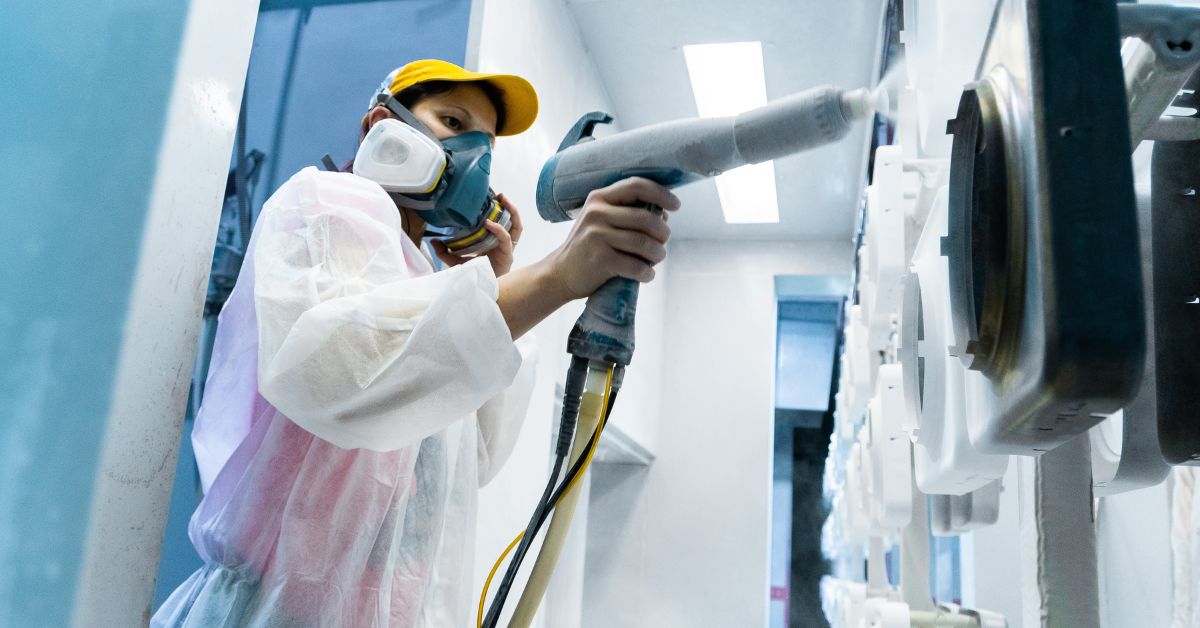
Industrial coating specialists can remove damaged material, prepare the surface, and apply new protective coatings that restore components to operational condition. Precision grinding and finishing processes return parts to original tolerances while improving wear resistance.
Restoration often allows facilities to return equipment to service faster than ordering replacement components. This approach also supports long-term cost management by maximizing the value of existing equipment.
Choosing the correct industrial coating depends on the operating environment and the type of wear affecting the equipment. Abrasive applications require different coating properties than chemical processing environments. Temperature exposure, operating speed, pressure, and fluid composition all influence coating selection.
Industrial coating specialists evaluate each application to determine the most effective surface solution. Some pump systems require maximum hardness for erosion resistance. Others need corrosion protection combined with dimensional restoration. Certain environments benefit from coatings that improve both wear resistance and surface finish.
Application quality also plays an important role in coating performance. Proper surface preparation, coating application, and finishing processes help ensure strong adhesion and consistent durability. Experienced coating providers understand how to match coating technologies to operational requirements.
Understanding how industrial coatings can prevent premature pump failure allows manufacturers to take a proactive approach to equipment reliability. Protective coatings help defend pumps against abrasion, corrosion, friction, and surface wear that gradually reduce performance and shorten service life. Instead of repeatedly replacing damaged components, facilities can improve durability through targeted surface protection and restoration services.
Industrial Plating Company provides advanced industrial coating services that help customers protect critical pump equipment in demanding operating environments. We also offer industrial balancing for rotating equipment, helping facilities improve stability, reduce vibration, and maintain reliable system performance. By combining coating expertise with precision repair and balancing services, we help manufacturers extend equipment life while reducing costly downtime.


