
Industrial equipment operates under constant stress, from friction and heat to corrosive environments that steadily degrade performance. Understanding how industrial coatings extend equipment life helps manufacturers and operators make informed decisions that protect their investments and maintain consistent production.
Coatings act as a critical barrier between harsh operating conditions and the base material, allowing components to function longer and more reliably. Coating technology plays a direct role in reducing maintenance frequency, preserving dimensional integrity, and improving overall equipment efficiency.
Industrial machinery faces conditions that quickly break down unprotected surfaces. Metal components encounter abrasion, chemical exposure, and temperature fluctuations that accelerate wear. When operators leave these surfaces untreated, the degradation process begins immediately and continues until the part fails or no longer performs within acceptable tolerances.
Coatings provide a controlled, engineered layer that absorbs the impact of these environmental stressors. Instead of allowing the base material to deteriorate, the coating takes on the wear, protecting the structural integrity of the component beneath it. This protective approach allows equipment to operate in demanding conditions without sacrificing reliability.
Manufacturers often design coatings to match specific operating environments. Some coatings resist corrosion in chemical processing applications, while others withstand high heat in manufacturing systems. This targeted approach ensures that each coating serves a defined purpose, directly contributing to longer equipment life.
Wear remains one of the most common causes of equipment failure. Continuous contact between moving parts leads to material loss, surface deformation, and eventual breakdown. Industrial coatings reduce this wear by creating a harder, more durable surface that resists friction and mechanical damage.
When applied correctly, coatings distribute stress more evenly across the surface of a component. This distribution prevents localized damage, which often leads to cracks or premature failure. By minimizing direct metal-to-metal contact, coatings also reduce the rate at which parts degrade over time.
Operators who rely on coated components often experience fewer interruptions in production. Equipment maintains its intended performance levels for longer periods, which helps stabilize output and reduce the need for frequent part replacement. This consistency becomes especially valuable in high-volume manufacturing environments where downtime directly impacts profitability.
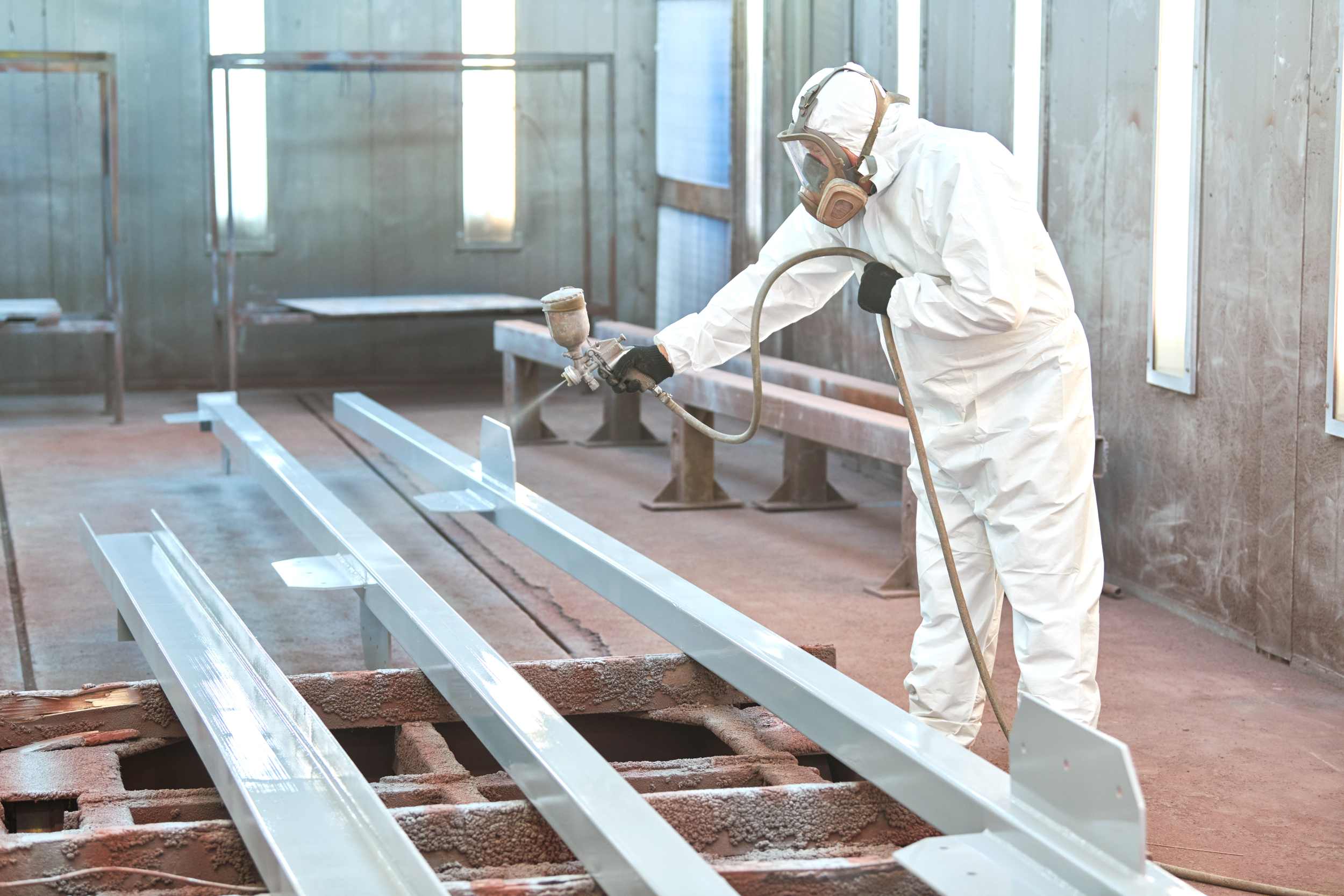
Corrosion presents a persistent challenge across many industries, particularly where equipment operates in humid, wet, or chemically aggressive environments. Without protection, metal surfaces oxidize, weaken, and eventually fail. Industrial coatings create a barrier that prevents moisture and chemicals from reaching the base material.
This barrier protects the surface and preserves the structural properties of the component. Once corrosion begins, it often spreads beneath the surface, making it difficult to detect until significant damage has occurred. Coatings stop this process before it starts, maintaining both appearance and function.
In industries where chemical exposure remains constant, coatings serve as the first line of defense. They resist breakdown from acids, solvents, and other reactive substances that would otherwise degrade the material. This resistance ensures that equipment continues to perform under demanding conditions without compromising safety or efficiency.
Many industrial processes generate extreme heat, which can weaken materials and alter their mechanical properties. High temperatures cause expansion, oxidation, and softening, all of which contribute to reduced performance and shorter equipment lifespan.
Specialized coatings designed for thermal resistance allow components to operate at elevated temperatures without experiencing the same level of degradation. These coatings maintain their integrity under heat, protecting the underlying material from thermal damage. As a result, equipment can function in environments that would otherwise lead to rapid failure.
By managing heat more effectively, coatings also help maintain dimensional stability. Components retain their shape and tolerances, which supports consistent operation and reduces the likelihood of mechanical issues. This stability plays a key role in extending the life of critical equipment.
Industrial coatings do more than protect new components. They also offer a practical solution for restoring worn or damaged parts. Instead of replacing a component entirely, operators can remove the existing surface, apply a new coating, and return the part to service.
This restoration process saves time and reduces costs compared to manufacturing new parts. It also minimizes downtime because technicians return repaired components to operation faster than manufacturers can produce and deliver replacements. For many organizations, this approach represents a more efficient way to manage equipment lifecycle costs.
Coating technology allows technicians to rebuild surfaces to their original specifications. In some cases, coatings even improve performance beyond the original design by adding enhanced wear resistance or corrosion protection. This ability to restore and improve components highlights the versatility of industrial coatings in extending equipment life.
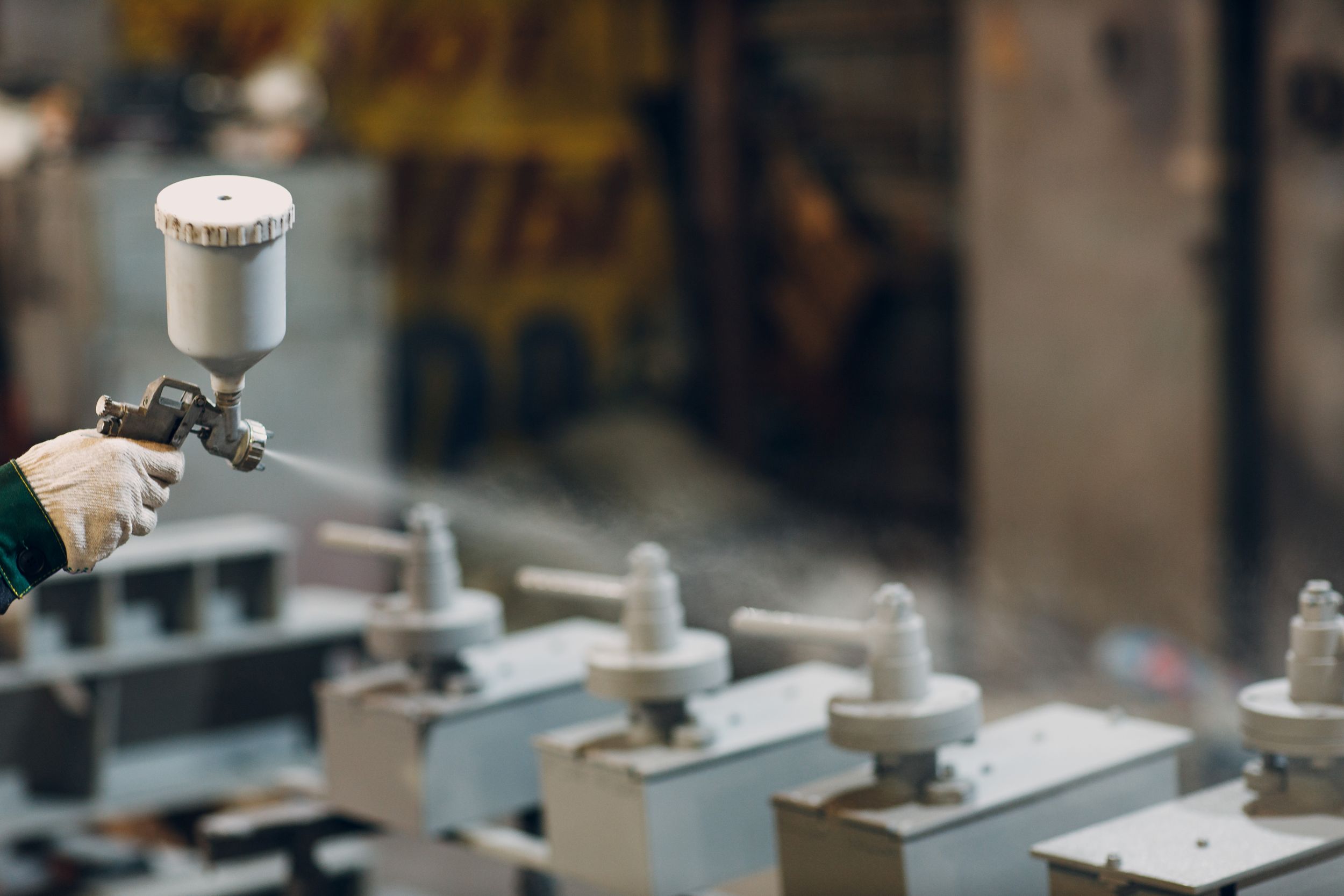
Reliable equipment forms the foundation of any successful industrial operation. When components fail unexpectedly, production slows or stops entirely, leading to lost time and increased costs. Industrial coatings help prevent these disruptions by improving the durability and reliability of key components.
With coated surfaces, equipment operates more predictably. Maintenance teams can plan service intervals based on expected wear rates rather than reacting to sudden failures. This shift from reactive to proactive maintenance improves overall efficiency and reduces operational risk.
Consistent performance also supports product quality. When machinery operates within its intended parameters, it produces more uniform results. Coatings help maintain these parameters by preserving the condition of critical surfaces, ensuring that equipment continues to meet production standards over time.
Different industries place unique demands on their equipment, and coating solutions must reflect those requirements. Mining equipment, for example, faces constant abrasion from heavy materials, while manufacturing systems may require precision surfaces that resist wear without affecting tolerances.
Industrial coating providers work closely with customers to identify the most effective solution for each application. This process involves evaluating operating conditions, material properties, and performance goals. By aligning the coating with the specific needs of the equipment, providers ensure optimal results.
At Industrial Plating Company, we have built our reputation on delivering these tailored solutions. With decades of experience serving a wide range of industries, we understand how to apply coatings that address real-world challenges and extend the life of critical components.
Understanding how industrial coatings extend equipment life highlights the critical role these solutions play in modern industrial operations. From reducing wear and preventing corrosion to enabling high-temperature performance and supporting restoration efforts, coatings provide a comprehensive approach to equipment protection. They allow organizations to maintain reliable operations while controlling costs and improving efficiency.
Industrial Plating Company brings this expertise to every project by offering advanced coating solutions, including plasma coatings designed for demanding applications. Our ability to apply high-performance coatings to both new and worn components extends equipment life while maintaining consistent performance. With decades of experience and a focus on precision, we continue to support manufacturers and operators who rely on durable, long-lasting machinery. Get a quote today.


