
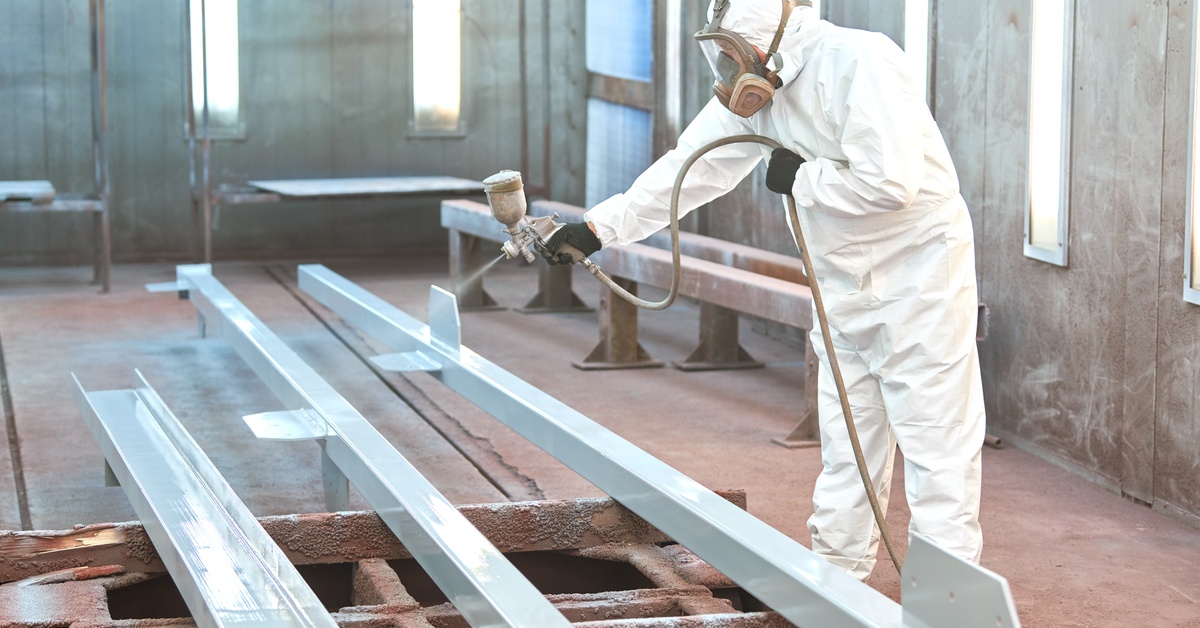
Manufacturers rely on HVOF coatings for industrial applications when components must withstand extreme abrasion, sliding wear, and corrosive environments without sacrificing dimensional integrity. High velocity oxygen fuel (HVOF) thermal spray technology produces dense, tightly bonded coatings that dramatically extend the service life of critical wear parts. In demanding industries where downtime disrupts production and increases costs, HVOF coatings provide a durable, performance-driven solution.
HVOF is a thermal spray process that uses a high-pressure combustion reaction between oxygen and fuel to generate a supersonic jet stream. Technicians inject powdered coating material into the stream and propel it toward the substrate at extremely high velocities. When the particles impact the surface, they flatten, bond, and rapidly solidify to form a dense and cohesive coating layer.
This high particle velocity is the defining characteristic of the HVOF process. It produces coatings with low porosity, high bond strength, and exceptional wear resistance. The resulting microstructure supports demanding mechanical performance in aggressive operating environments.
Unlike some conventional coating methods, HVOF allows tight control over coating thickness and surface finish. This precision makes it ideal for components that require exact dimensional tolerances after coating and finishing.
Industrial equipment operates under constant mechanical stress. Components face abrasion from particulates, friction from sliding contact, and chemical attack from corrosive media. Without protective coatings, these conditions accelerate wear, shorten service intervals, and increase replacement costs.
HVOF coatings address these challenges directly. Their dense structure resists penetration by corrosive elements while maintaining hardness under heavy mechanical loads. This dual resistance makes them suitable for both wear-critical and corrosion-sensitive applications.
Manufacturers also value HVOF because it supports long-term cost control. By extending part life and reducing maintenance frequency, companies minimize downtime and improve production efficiency. For OEMs and end users alike, performance stability translates into predictable operating budgets.
HVOF technology supports a wide range of coating materials designed to meet specific performance requirements. Manufacturers widely select tungsten carbide-based coatings to achieve extreme abrasion resistance. Chromium carbide materials perform well in high-temperature wear environments where oxidation resistance matters.
Stainless steel and nickel-based alloys provide corrosion protection in chemical processing or moisture-rich environments. Each material system serves a distinct purpose, and proper selection depends on operating conditions such as temperature, load, and exposure to corrosive agents.
Choosing the right coating begins with understanding the environment in which the component operates. An experienced coating provider evaluates wear patterns, substrate material, and dimensional requirements before recommending a solution.
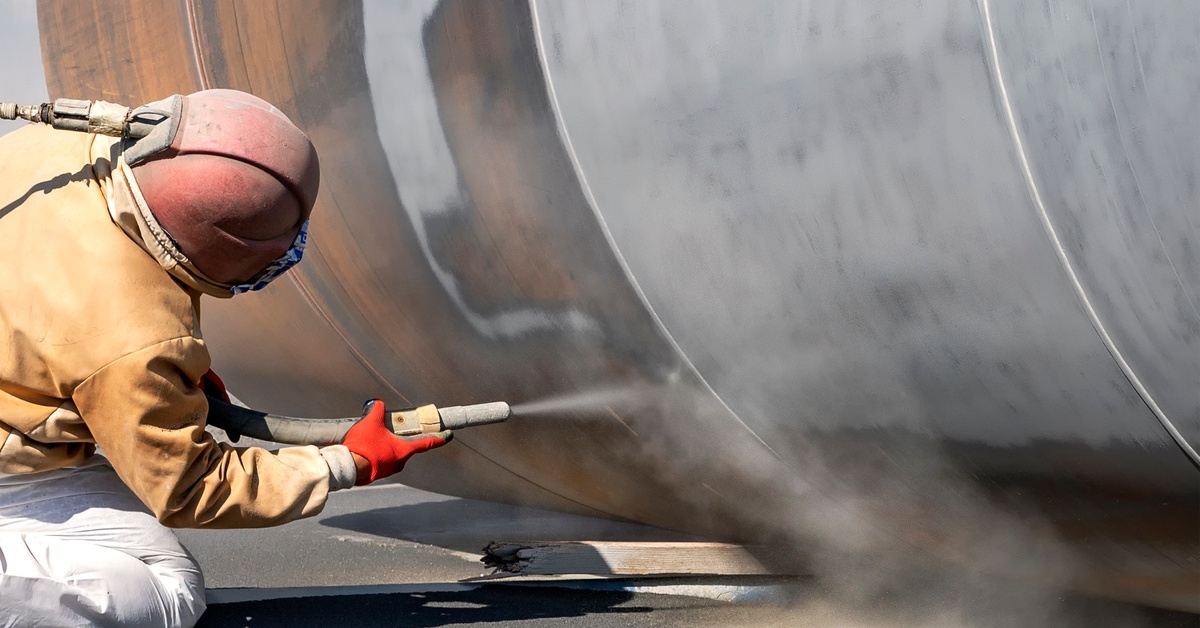
HVOF coatings serve a broad range of industrial sectors. In mining and aggregate operations, components encounter abrasive particles that erode surfaces quickly. HVOF-treated parts resist this wear and maintain structural integrity over extended cycles.
In manufacturing environments, rollers, shafts, and pump components often operate under continuous sliding contact. Friction generates heat and accelerates surface degradation. HVOF coatings provide the hardness and density needed to reduce wear while preserving dimensional accuracy.
Oil and gas equipment, including valves and plungers, must endure corrosive fluids and pressure fluctuations. A properly applied HVOF coating protects against both mechanical and chemical damage, supporting reliable long-term operation.
Power generation facilities also rely on coated components to manage high temperatures and aggressive process conditions. In each case, performance requirements drive the coating selection and application strategy.
Industrial components frequently require precise tolerances after coating. Technicians apply HVOF coatings within controlled thickness ranges, allowing them to perform secondary machining or precision grinding to achieve final specifications.
After spraying, finishing processes refine the surface to meet blueprint requirements. Grinding and polishing restore smoothness, adjust surface roughness, and ensure compatibility with mating components. This integrated approach eliminates the need to send parts to multiple vendors, reducing lead times and potential handling damage.
Maintaining dimensional integrity is critical for rotating equipment, sealing surfaces, and hydraulic components. A properly finished HVOF coating preserves alignment and minimizes friction during operation.
HVOF technology applies to both new part production and component repair applications. Technicians can strip worn coatings from many industrial components, prepare the surfaces, and recoat them to restore the parts to their original dimensions. This restoration process offers a faster and more economical alternative to manufacturing new parts.
Repair applications reduce material waste and support sustainability goals. Instead of scrapping high-value components, companies extend their usable life through controlled surface renewal.
For end users focused on total ownership cost, repair and recoat strategies provide measurable operational advantages. They minimize downtime while preserving capital investments in large or complex equipment.
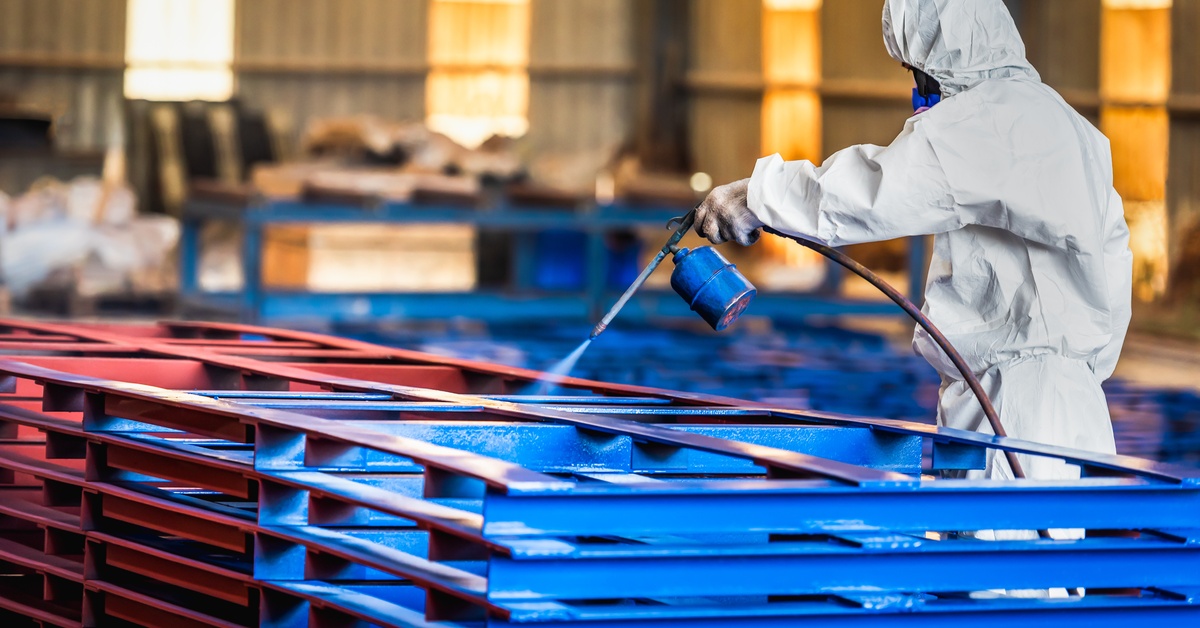
Extreme abrasion, sliding wear, and corrosive exposure represent some of the most challenging conditions in industrial environments. HVOF coatings maintain hardness and adhesion under these stresses because of their dense microstructure and strong bond strength.
In abrasive environments, carbide-based HVOF coatings resist surface erosion and prevent rapid dimensional loss. In sliding applications, they reduce galling and surface fatigue. In corrosive settings, alloy-based coatings form protective barriers that slow chemical attack.
These performance attributes allow components to operate longer between maintenance intervals. Consistency in coating quality ensures predictable results across production runs and repair cycles.
Original equipment manufacturers often require repeatable coating performance across high production volumes. HVOF technology supports consistent application parameters, ensuring uniform thickness and coating quality from part to part.
Robotic application capabilities further enhance repeatability and efficiency. Automated systems maintain steady spray distances and controlled motion paths, producing reliable outcomes for complex geometries or large batches.
OEM customers benefit from predictable turnaround times and scalable capacity. This reliability supports production schedules and long-term supply agreements.
Industrial equipment must perform reliably in environments defined by abrasion, friction, and corrosion. HVOF coatings for industrial applications deliver dense, high-strength surface protection that extends component life and stabilizes operating costs. By selecting the appropriate coating material and applying it with controlled precision, manufacturers protect critical parts against premature failure.
Industrial Plating Company offers HVOF thermal spray coating services for components exposed to extreme abrasion, sliding wear, and corrosive operating conditions. Our team applies advanced surface engineering techniques to both new and worn parts, restoring dimensions and enhancing durability. With decades of experience supporting OEMs, end users, and machine shops, we provide reliable coating solutions that help industrial operations run longer, more efficiently, and with greater confidence.


