
Rotating equipment depends on balanced components to operate smoothly. When weight distributes unevenly around a rotating part, centrifugal forces can create vibration that places stress on the machine. Operators may notice subtle changes at first, but imbalance can become more disruptive as operating speeds increase. Recognizing the signs your equipment may need dynamic balancing can help maintenance teams address developing problems before vibration contributes to component damage.
Dynamic imbalance occurs when a rotating component has an uneven distribution of mass that affects more than one plane of rotation. A part may appear balanced while stationary yet generate vibration once it reaches operating speed. Dynamic balancing pinpoints where technicians need to correct weight distribution so the component rotates more evenly.
Industrial components such as shafts, rolls, rotors, fans can develop imbalance during manufacturing or after extended service. Wear can alter the mass distribution, while repairs or material buildup may change how a component rotates. Dynamic balancing corrects these conditions by measuring vibration and determining the appropriate adjustments.
Unusual vibration is one of the clearest indications that a rotating component may have a balance problem. An operating machine will still produce some normal vibration, but operators often recognize when that movement becomes stronger or changes. The vibration may become apparent as rotational speed increases.
Imbalance creates centrifugal force that repeats with every revolution. As speed rises, the effect can become more pronounced and transfer through bearings, housings, or supporting structures. If vibration follows machine speed, maintenance personnel should investigate the rotating assembly rather than treating the movement as an unavoidable operating condition.
Vibration does not automatically confirm imbalance because alignment problems or worn components can produce similar symptoms. An evaluation helps determine the source before corrective work begins.
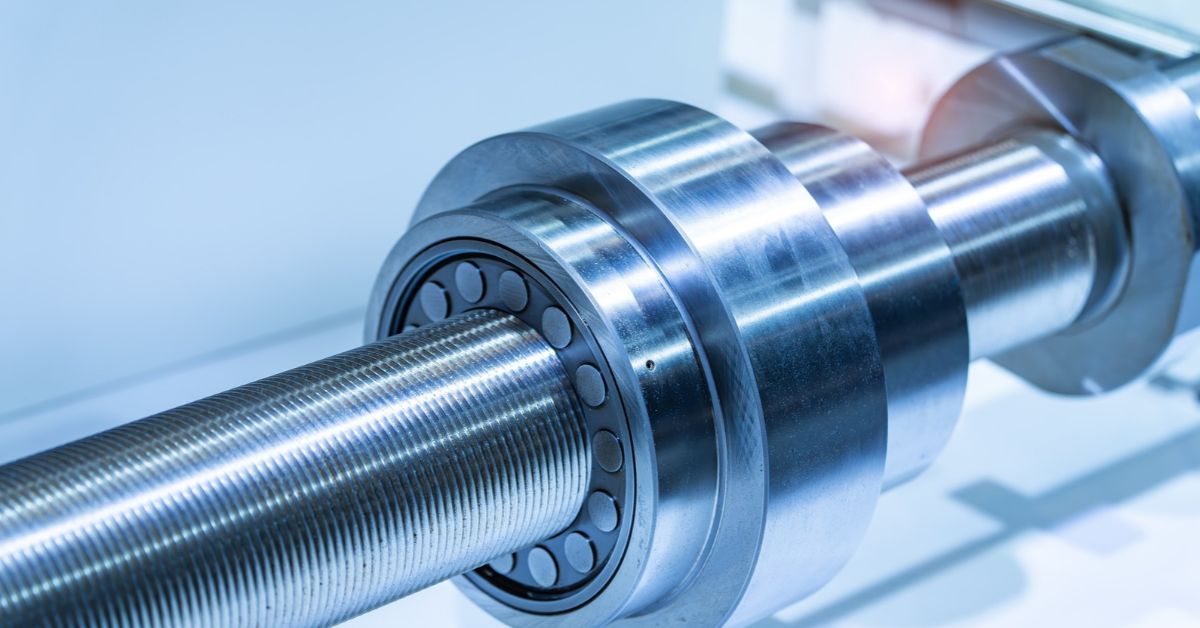
Bearings support rotating components and help maintain controlled movement, so imbalance can place loads on them. The uneven movement of a rotor or shaft forces bearings to absorb additional loads during each revolution. This added loading can accelerate wear and affect equipment reliability.
Maintenance teams may notice that bearings require attention sooner than expected or that stable bearing positions begin showing abnormal vibration. Replacing a bearing without addressing the underlying imbalance can allow the same operating forces to affect the replacement.
Dynamic balancing can reduce the repeating forces caused by uneven mass distribution. When imbalance contributes to bearing problems, correcting the rotating component helps address the source instead of responding to the wear.
A change in equipment sound can provide another warning that operating conditions have shifted. Imbalance itself may not always produce a distinct sound, but the vibration it creates can cause surrounding components to rattle or resonate. Operators familiar with a machine often notice these changes before a performance problem becomes obvious.
Noise that appears at certain speeds deserves attention. A component may pass through a speed range where vibration becomes more noticeable, causing guards or nearby structures to respond. Investigating these changes can reveal whether dynamic imbalance contributes to the condition.
Maintenance teams should avoid assuming that new noise is part of an aging machine. Identifying its cause can prevent a manageable rotating-equipment issue from placing stress on connected components.
A machine that begins vibrating after repair work may need balancing even when the repaired component meets dimensional requirements. Welding, coating removal, material restoration, or other modifications can change the distribution of mass around a rotating part. Small differences can matter when the component operates at substantial rotational speed.
This concern is important when a worn part receives dimensional restoration. Repairing the surface can return dimensions, but the restored component must rotate in service. Evaluating balance after repair work can help confirm that the component is ready for operation.
The same principle applies to manufactured rotating parts. Machining accuracy supports proper fit, but dimensional precision alone does not guarantee balanced mass distribution during rotation.
Wear patterns can sometimes indicate that a rotating assembly is experiencing forces beyond normal operating loads. As the component rotates, an uneven distribution of mass can create repetitive forces that contribute to irregular wear on bearings or related machine elements.
Maintenance personnel should compare wear patterns with the machine's normal service history. A change may justify further inspection, especially when it appears alongside increased vibration.
Dynamic balancing cannot correct every cause of uneven wear. However, when testing confirms imbalance, correcting mass distribution can reduce one source of repetitive loading and help the equipment return to smoother operation.
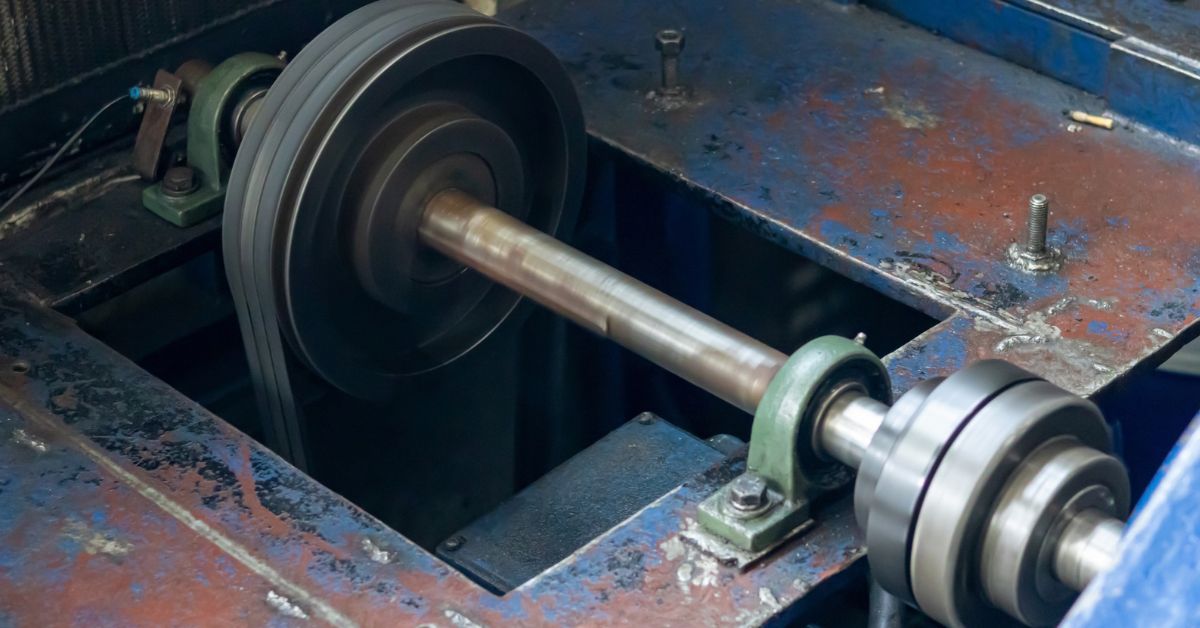
Persistent vibration can affect more than the rotating component itself. Repeated movement may contribute to loosened fasteners, shifting guards, or recurring problems with hardware. Tightening these items may provide relief without correcting the force that causes them to move.
When maintenance teams address the same mechanical issue, they should consider whether vibration from the rotating assembly is contributing to the problem. Checking balance can be a part of that investigation.
Finding the root cause matters because repeated repairs consume maintenance time and may require shutdowns. Correcting imbalance can help stabilize operation when uneven rotating mass is responsible for the vibration.
Some imbalance problems remain difficult to detect at low speed. As rotational speed increases, however, the forces created by uneven mass distribution become stronger. Equipment may operate acceptably during startup but develop noticeable vibration as it approaches speed.
This speed-related pattern can provide diagnostic information. If vibration rises with rotational speed, maintenance teams should evaluate the equipment for dynamic imbalance.
Operators should pay attention when a machine that previously ran smoothly begins behaving differently within its normal speed range. Changes in operating behavior can signal wear or another condition that has altered the component's balance.
Ignoring imbalance can allow vibration to continue placing unnecessary forces on rotating equipment. Early evaluation gives maintenance teams an opportunity to identify the cause and determine whether balancing can restore operation. Understanding the signs your equipment may need dynamic balancing helps facilities respond to changes before they become maintenance problems. Accurate balancing work supports predictable rotation and gives maintenance teams greater confidence when returning critical equipment to industrial service.
Industrial Plating Company offers dynamic balancing services as part of its industrial machine service capabilities. We can evaluate rotating components and perform balancing work to support smoother equipment operation. For manufacturers, equipment owners, and machine shops managing critical rotating parts, dynamic balancing can provide a step toward returning repaired or serviced components to operation.


