
In demanding industrial environments, component failure is rarely a surprise. Abrasion, erosion, impact, and high temperatures steadily degrade equipment until performance drops and downtime increases. That is why manufacturers and maintenance teams consistently look for long-term surface protection solutions. Let’s explore the top benefits of tungsten carbide coatings and why they remain one of the most trusted wear-resistant technologies in industrial applications.
Engineers design tungsten carbide coatings specifically for extreme wear conditions. In industries such as mining, manufacturing, energy, and heavy equipment production, components routinely face abrasive materials that erode unprotected surfaces.
When properly applied, tungsten carbide creates a hard, dense surface layer that resists abrasion far better than most base metals. This resistance dramatically reduces material loss over time. Components maintain their dimensional integrity longer, which helps preserve tolerances and overall system performance.
For OEMs, this means parts leave the production floor ready for extended service life. For maintenance teams, it means fewer premature failures and longer intervals between replacements.
Industrial equipment represents a significant capital investment. Every component within that system contributes to productivity and output. When wear causes early failure, companies face more than just the cost of replacement parts. They also deal with labor expenses, downtime, and potential production delays.
Tungsten carbide coatings act as a protective barrier between the base material and harsh operating conditions. Instead of sacrificing the substrate material, the coating absorbs the wear. This protective layer significantly extends the usable life of shafts, rollers, pump components, and other critical wear parts.
Over time, extended lifespan translates into lower total ownership costs. Equipment stays in service longer, and maintenance cycles become more predictable.
Hardness alone does not guarantee performance. Some extremely hard materials lack the toughness required to handle impact or dynamic loading. Tungsten carbide coatings strike a balance between hardness and structural resilience.
The coating resists scratching, scoring, and abrasive wear while still maintaining enough toughness to handle demanding mechanical stresses. This makes it suitable for rotating components, sliding surfaces, and parts exposed to repetitive impact.
In real-world applications, this balance prevents micro-cracking and premature coating failure. The result is reliable protection under both abrasive and mechanical stress conditions.
Many industrial processes operate under elevated temperatures. Heat accelerates wear, increases oxidation risk, and weakens some protective finishes. Tungsten carbide coatings perform exceptionally well under these conditions.
The coating maintains its structural integrity at higher operating temperatures than many alternative surface treatments. This allows machinery to operate efficiently in environments where friction and thermal stress would quickly degrade unprotected components. By maintaining surface integrity under heat, tungsten carbide coatings help ensure consistent performance across demanding production cycles.
In addition to abrasion, many industrial components face erosion caused by high-velocity particles. Pumps, valves, and material handling systems often move abrasive slurries or dry particulates that continuously strike internal surfaces.
Tungsten carbide coatings provide strong resistance to particle impingement. The dense structure of the coating reduces material removal caused by repeated impact. This is especially valuable in fluid handling systems where surface degradation can alter flow characteristics and reduce efficiency. Maintaining smooth, intact surfaces helps preserve performance while minimizing maintenance disruptions.
Surface performance depends on material properties and finish quality. You can finish tungsten carbide coatings to meet strict dimensional and surface roughness requirements.
After application, precision grinding and finishing processes allow coated components to achieve tight tolerances. This ensures compatibility with mating parts and prevents friction-related inefficiencies.
For OEMs and machine shops, this capability supports blueprint compliance and high-quality manufacturing standards. For end users maintaining equipment, it ensures repaired or restored components meet original performance specifications.
One of the most practical advantages of tungsten carbide coatings is their ability to restore worn parts. Instead of scrapping an expensive component, companies can remove the damaged surface layer and apply a new coating to return the part to service.
This approach significantly reduces replacement costs. Manufacturing entirely new components often requires long lead times and higher material expenses. Recoating allows companies to preserve the original substrate while restoring wear resistance. In high-value industrial machinery, this restoration capability plays a critical role in reducing overall maintenance budgets.
Industrial components rarely have simple shapes. Many parts include intricate geometries, internal diameters, and detailed surfaces that demand precise coating application.
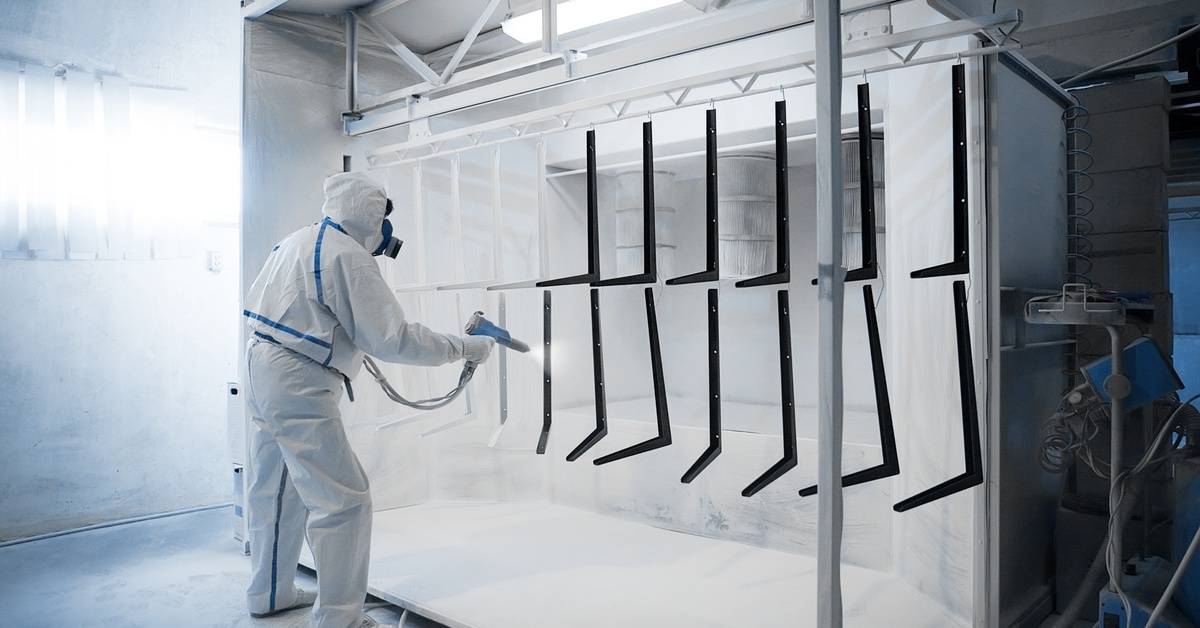
Advanced application processes apply tungsten carbide coatings consistently across complex parts. Robotic systems and controlled spray techniques ensure even coverage and repeatable results.
This consistency supports high-volume OEM production as well as specialized repair projects. Complex shapes receive the same level of protection as straightforward cylindrical components.
Tungsten carbide coatings serve a wide range of industries, including mining, energy production, heavy manufacturing, and industrial processing. Each environment presents different challenges, yet the coating’s core strengths remain consistent.
In abrasive mining applications, it protects against rock and mineral wear. In manufacturing environments, it reduces friction and surface degradation. In high-temperature systems, it maintains structural integrity where other coatings may fail. This versatility allows engineering teams to standardize protection strategies across different equipment platforms.
Unplanned downtime disrupts production schedules and increases operational costs. When wear causes sudden equipment failure, companies lose both time and revenue.
By applying tungsten carbide coatings to high-wear components, companies proactively reduce failure risk. Predictable wear rates and longer service intervals allow maintenance teams to plan repairs rather than react to emergencies. This shift from reactive to preventive maintenance improves operational stability and production efficiency.
Tungsten carbide coatings provide value at both the manufacturing and maintenance stages. OEMs can specify coatings on new components to enhance durability before equipment even enters service. This strengthens product reliability and enhances brand reputation.
At the same time, end users can apply the same coating technology to worn parts. Instead of replacing entire assemblies, they can restore individual components and return equipment to original operating conditions. This dual-purpose capability makes tungsten carbide coatings a strategic investment for both manufacturers and equipment owners.
When evaluating surface treatments, decision-makers look beyond upfront cost. They consider service life, reliability, downtime risk, and maintenance frequency. Tungsten carbide coatings consistently deliver value across all these metrics.
The coating protects critical surfaces, extends component life, supports dimensional precision, and withstands harsh operating conditions. These combined benefits reduce long-term operating expenses and improve overall equipment performance. For companies focused on productivity and efficiency, surface engineering becomes a competitive advantage rather than a simple maintenance decision.
The top benefits of tungsten carbide coatings include exceptional wear resistance, extended component lifespan, high-temperature performance, restoration capability, and reliable protection in abrasive environments. These advantages make tungsten carbide one of the most effective surface solutions available for industrial equipment.
Industrial Plating Company provides industrial plating services, including tungsten carbide coatings, for both new and worn components. Whether you need to protect newly manufactured parts or restore existing equipment to original specifications, our team applies advanced coating technology to improve durability and reduce long-term operating costs. Get a quote today to learn more.


