
Industrial coatings help equipment withstand demanding operating conditions and continue performing reliably over time. However, applying a coating is only the beginning of the protection process. Normal operating conditions slowly wear down protective coatings, which makes ongoing maintenance critical for sustained performance.
Understanding why preventative coating maintenance matters helps industrial facilities protect valuable assets, avoid unnecessary repairs, and maintain consistent production. A proactive approach allows maintenance teams to identify developing issues early and address them before they affect equipment reliability.
Industrial coatings create a protective barrier between equipment surfaces and the conditions that cause deterioration. Depending on the application, a coating may shield a component from abrasion, corrosion, elevated temperatures, or another damaging influence. This protection helps equipment perform longer while reducing direct exposure to conditions that accelerate wear.
Although industrial coatings provide exceptional durability, they do not last forever without attention. Daily operation gradually affects coating performance, particularly in environments where equipment experiences continuous stress. Over time, normal wear can reduce the coating’s ability to protect the underlying material.
Preventative coating maintenance focuses on monitoring coating condition before visible failure occurs. Maintenance teams evaluate coated surfaces regularly and look for early signs of deterioration. When they identify concerns at an early stage, they can make corrections before damage spreads beyond the coating itself.
Many equipment failures begin with issues that appear minor at first. A worn section of coating may seem insignificant because the equipment continues operating normally. However, that small area can create an opening that allows damage to progress much faster.
Once the protective barrier becomes compromised, the underlying substrate becomes vulnerable to the operating environment. Abrasive materials can contact the surface directly and increase wear rates. Corrosive conditions may begin attacking exposed metal and create deterioration beneath surrounding areas of coating. As damage advances, repairs often become more extensive and more expensive.
Preventative maintenance helps stop this progression before it reaches a critical point. By addressing coating degradation early, facilities can often restore protection with less downtime and fewer resources. Routine inspections allow organizations to identify coating problems early and avoid major repairs.
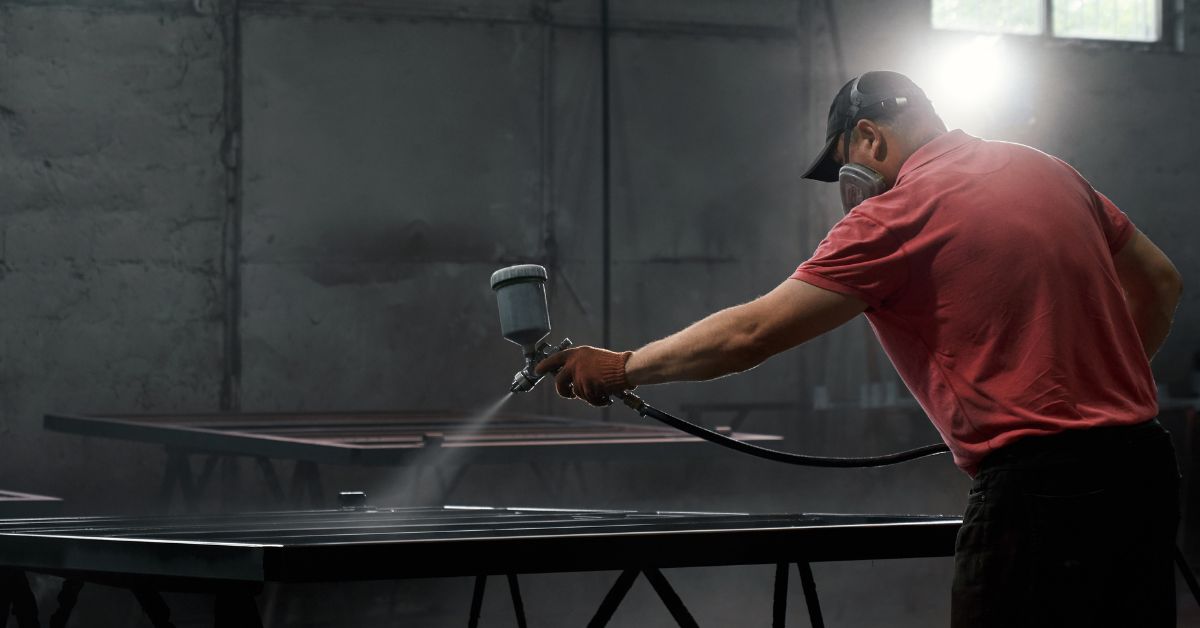
Industrial equipment represents a significant investment, and most organizations expect their assets to deliver reliable performance for many years. Protective coatings contribute directly to that goal by reducing the rate at which components wear during operation.
Coatings help preserve critical surfaces, but they can only provide that protection when they remain in good condition. As coatings wear, the equipment becomes increasingly susceptible to damage that may shorten its service life. Without maintenance, a coating can eventually lose its ability to protect the substrate effectively.
Routine inspections help maintenance teams understand how coatings are performing in real operating conditions. When they identify areas showing signs of wear, they can take corrective action before the substrate experiences damage. This approach helps components remain in service longer and reduces the likelihood of premature replacement.
Facilities that maintain coatings consistently often gain greater value from both their equipment and their coating investments. Extending component life allows organizations to delay replacement costs while maintaining dependable operation.
Unexpected downtime can disrupt production and create challenges throughout an operation. Equipment failures frequently require immediate attention, forcing maintenance teams to respond under pressure while production schedules suffer delays.
Preventative coating maintenance reduces the likelihood of these situations. Regular evaluations provide insight into coating condition and help maintenance personnel identify concerns before they affect equipment operation. Rather than reacting to an emergency, facilities can schedule service work during planned maintenance periods.
This approach gives organizations greater control over maintenance activities. Planned repairs allow maintenance teams to prepare materials, coordinate schedules, and complete work more efficiently. As a result, facilities often experience fewer disruptions and maintain a more predictable operating environment.
When companies reduce unplanned downtime, they improve overall productivity and strengthen operational reliability. Consistent maintenance contributes to smoother operations and helps facilities avoid the costly consequences of unexpected equipment failures.
Industrial coatings do more than protect surfaces from damage. In many applications, coatings support equipment performance by helping components maintain their intended operating characteristics. As coatings deteriorate, those benefits can begin to decline.
Surface wear may affect how components interact with surrounding equipment. Changes in coating condition can influence operating efficiency and contribute to additional wear. Even when equipment remains functional, degraded coatings may prevent it from performing at its full potential.
Preventative maintenance helps preserve coating performance by identifying wear before significant deterioration occurs. Maintenance personnel can evaluate coating condition and determine when repairs or recoating services are appropriate. This process allows organizations to maintain protective performance while minimizing the risk of more serious issues. Consistent coating performance supports reliable equipment operation and helps facilities maintain the standards required for demanding industrial applications.

Routine visual inspections provide useful information, but experienced coating specialists often recognize warning signs that others may miss. Professional evaluations help organizations gain a deeper understanding of coating condition and long-term performance expectations.
Coating experts understand how different operating environments affect protective surfaces. Their experience allows them to identify unusual wear patterns and determine whether environmental conditions are influencing coating performance. This insight helps facilities make informed maintenance decisions before significant problems develop.
Professional inspections also support more effective planning. Coating specialists can recommend maintenance schedules based on actual operating conditions rather than assumptions. These recommendations help organizations allocate resources efficiently while maintaining confidence in equipment reliability. When facilities combine routine inspections with professional expertise, they create a stronger maintenance strategy that supports long-term asset protection.
Organizations often focus on maintenance costs in the short term, but preventative coating maintenance can provide significant financial benefits over time. A proactive approach helps facilities avoid expenses associated with extensive repairs and unexpected failures.
Maintaining coatings before serious damage occurs generally requires fewer resources than repairing heavily worn components. Early intervention helps preserve equipment condition and reduces the likelihood of major restoration work. Facilities can also avoid many of the costs associated with emergency repairs and production interruptions.
Preventative maintenance improves financial predictability because organizations gain greater visibility into future maintenance requirements. Rather than facing unexpected expenses, facilities can plan service activities as part of a broader asset management strategy. Over time, this approach helps companies control operating costs while maximizing the value of their equipment investments.
Understanding why preventative coating maintenance matters allows industrial organizations to protect equipment performance throughout its service life. Regular inspections help coatings continue functioning as intended while reducing the likelihood of damage that can lead to expensive repairs. Facilities that address coating wear early often experience fewer disruptions and gain more value from their equipment investments.
Industrial Plating Company supports these efforts through advanced surface engineering solutions, including HVOF coating services that provide exceptional durability in demanding industrial environments. With proper maintenance and the right coating technology, companies can improve reliability while extending the useful life of critical components. Get a quote today to learn more about our advanced HVOF coatings.


