
Manufacturers depend on components that can withstand repeated use, demanding operating conditions, and the wear that comes with production. When a critical surface deteriorates, equipment performance can decline long before the entire component reaches the end of its useful life.
Effective surface protection strategies for manufacturers focus on protecting the areas that face the greatest exposure while matching the treatment to the part’s operating environment. By selecting an appropriate coating or finishing process, manufacturers can extend component service life, support consistent performance, and reduce the need to replace otherwise serviceable parts.
Industrial components rarely operate under ideal conditions. Contact between moving surfaces can gradually remove material, while moisture or aggressive process environments can attack exposed metal. High operating temperatures can create additional demands that an untreated surface may not handle well over time.
Surface protection gives manufacturers a way to address these conditions at the component level. Rather than relying only on the properties of the base material, a manufacturer can use a coating or finish designed for the surface conditions the part will encounter.
The right strategy also depends on how operators use the equipment. An original equipment manufacturer may need a repeatable coating process for newly produced parts, while an end user may need to restore a worn component.
A successful protection strategy starts with understanding why a surface is likely to fail. Wear resistance may be the primary concern when parts experience repeated contact or abrasion. In other applications, corrosion presents a greater threat because the component operates around moisture or other conditions that attack the surface.
Temperature can also influence coating selection. Some industrial components must continue operating where elevated heat places additional stress on exposed surfaces. Choosing a treatment that fits the actual environment helps manufacturers avoid applying a coating that performs well in one setting but poorly in another.
Manufacturers should also consider the required surface finish and coating thickness. A coating strategy works best when protection requirements remain aligned with the dimensional and functional requirements of the part. Clear specifications also help the finishing provider understand the intended result before processing begins, which supports better alignment with manufacturing requirements.
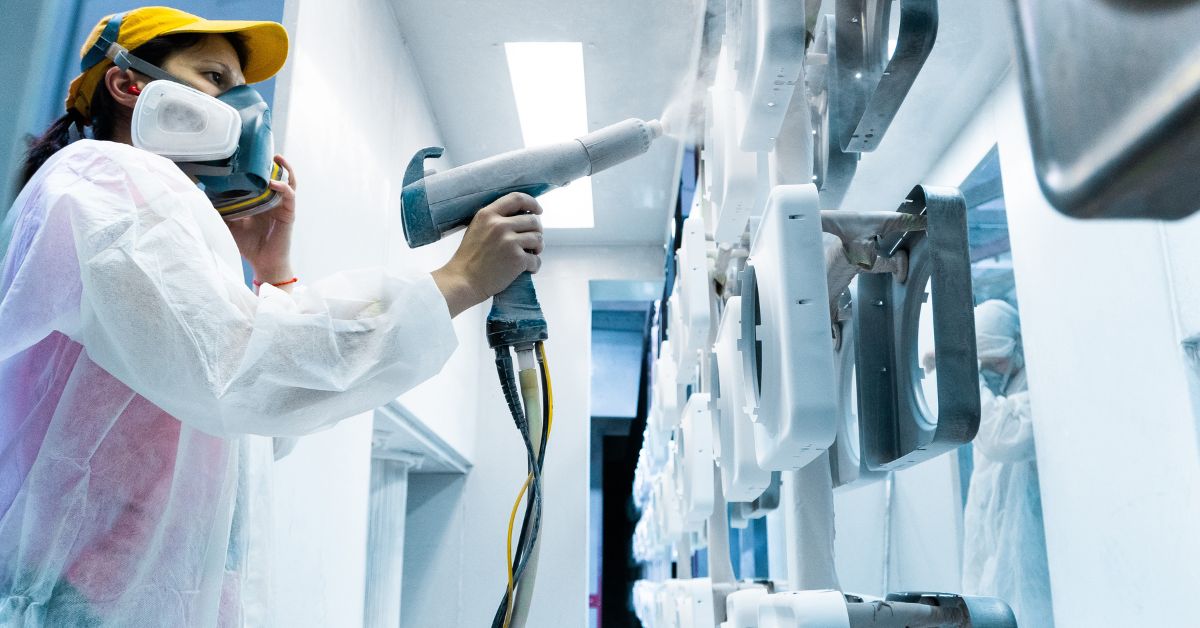
Wear often develops first on the surfaces that experience frequent mechanical contact. As material disappears, clearances can change and component performance can suffer. A wear-resistant coating creates a protective working surface that helps the underlying component tolerate demanding service conditions.
This strategy can be especially valuable for expensive industrial parts that would be costly or time-consuming to replace. Protecting the surface allows manufacturers to focus treatment where damage occurs instead of changing the entire part.
Coating selection should reflect the specific wear mechanism. A surface exposed to abrasion does not necessarily need the same protection as one subjected to sliding contact. Evaluating how the part actually wears helps determine which coating process can provide the most useful protection.
Corrosion can shorten component life even when a part experiences relatively little mechanical wear. Once the exposed surface begins to deteriorate, dimensional accuracy and overall condition may decline. A suitable protective coating can create a barrier that helps isolate the base material from the environment responsible for corrosion.
Manufacturers should evaluate where the component operates before choosing corrosion protection. The protection strategy should account for the environment that creates the greatest risk to the working surface. A finishing provider needs to understand the part’s existing condition and the desired final requirements.
Some manufacturing processes expose equipment components to temperatures that place unusual demands on their surfaces. A coating selected for higher-temperature operation can help a component perform under conditions that might otherwise accelerate deterioration. The correct solution depends on both the substrate and the operating environment.
Manufacturers should not consider heat resistance separately from other performance needs. A component may face temperature exposure while also experiencing wear or corrosion. Manufacturers need to identify the dominant service conditions, so that the selected surface treatment supports the way the part actually operates.
This is where a custom coating applicator can provide value. Instead of treating every industrial component the same way, the provider can evaluate application requirements and recommend a finishing approach that fits the part.
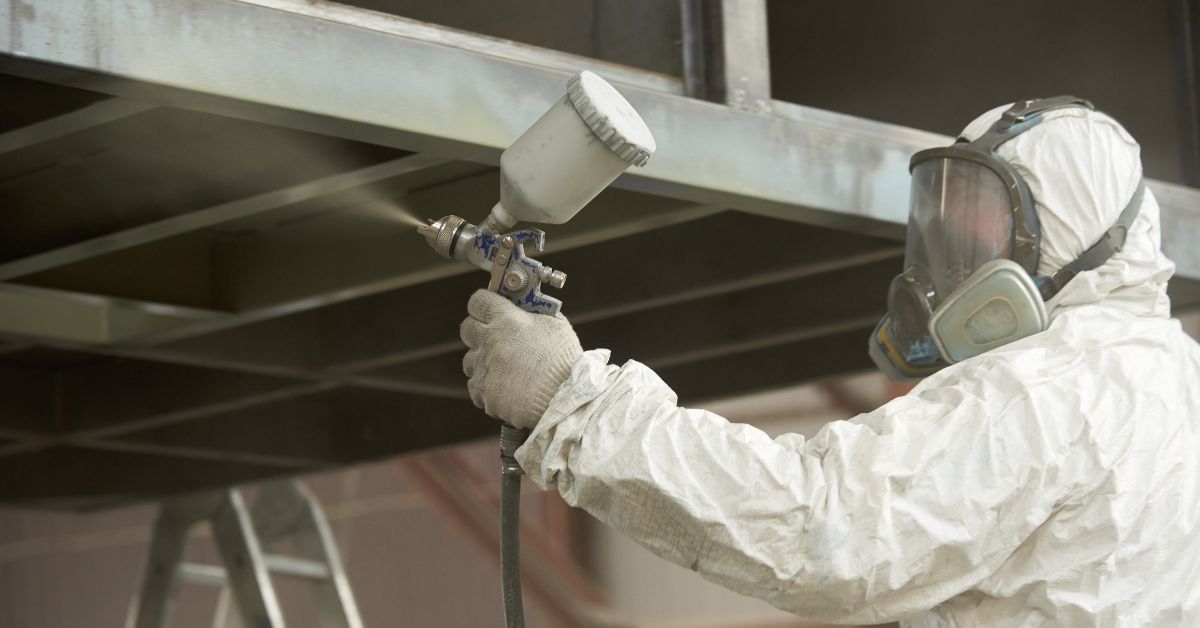
Surface protection does not apply only to new components. Manufacturers can also use coating technology as part of a repair strategy when a valuable part has worn during service. In suitable applications, a finishing provider can remove an existing coating and apply a new coating to help restore the component toward its original specifications.
Recoating can offer an alternative to manufacturing a replacement part from scratch. This approach may shorten the path back to service when the underlying component remains a good candidate for repair. It can also help manufacturers preserve the value of parts that still have useful structural life.
A repair strategy requires careful evaluation before work begins. The provider must consider the condition of the component and the required finished dimensions. When recoating is appropriate, manufacturers can address worn surfaces while continuing to use an existing industrial part.
Manufacturers gain more value from surface protection when they consider finishing requirements early. OEMs can incorporate coating specifications into new component production rather than treating finishing as an afterthought.
Machine shops can take a similar approach when producing replacement components. If the customer requires a particular coating or finished surface, planning for that process helps ensure the part reaches its required final condition. Coordination between machining and finishing can reduce avoidable complications later in production.
End users may approach planning from a maintenance perspective. Tracking how coated components perform can help teams identify when surfaces require attention before severe deterioration occurs. Proactive planning supports decisions about recoating or replacement based on the condition of the component.
The most effective surface protection strategies for manufacturers connect the coating process directly to the conditions a component faces in service. Manufacturers should consider wear patterns, corrosion exposure, operating temperature, dimensional requirements, and whether the part is new or undergoing restoration.
Industrial Plating Company offers surface finishing services for OEMs, equipment end users, and machine shops that need industrial coating and plating support. With capabilities that include finishing, machining, and precision grinding, we can help customers apply protective coatings to new parts or restore suitable worn components for continued industrial use. Contact us to learn what we can do for your business.


