
Industrial equipment operates in environments that place constant stress on metal components. Exposure to abrasion, corrosion, friction, heat, and impact can shorten equipment life and increase maintenance costs. Manufacturers and maintenance teams often look for practical ways to improve component performance without replacing expensive parts. Understanding the benefits of industrial metal surface treatments helps organizations protect critical assets, extend service life, and improve overall operating efficiency.
Metal components rarely operate under ideal conditions. Many parts face continuous contact with abrasive materials, aggressive chemicals, elevated temperatures, or heavy mechanical loads. These conditions gradually wear away surfaces and reduce performance.
Industrial metal surface treatments modify or enhance the outer layer of a component to improve its resistance to specific operating conditions. Depending on the application, treatment may increase hardness, reduce friction, improve corrosion resistance, or restore worn dimensions. These improvements help manufacturers get more value from their equipment while reducing unexpected failures.
Companies across industries rely on surface treatments because they address common performance challenges without requiring major equipment redesigns. When engineers match the right treatment to the operating environment, components often achieve longer service intervals and more consistent performance.
One of the most important advantages of industrial metal surface treatments is improved wear resistance. Components that experience sliding contact, particle erosion, or repeated mechanical stress can lose material over time. Excessive wear often leads to dimensional changes that affect equipment performance.
Surface treatments create a harder, more durable outer layer that withstands these demanding conditions. Hard-facing coatings, thermal spray coatings, and specialized plating processes help protect surfaces from ongoing wear. As a result, components maintain their original dimensions longer and continue operating within design specifications.
Improved wear resistance benefits equipment such as rollers, shafts, pump components, manufacturing tools, and rotating machinery. By slowing surface degradation, organizations can reduce replacement frequency and minimize production interruptions.
Corrosion remains one of the leading causes of industrial equipment deterioration. Moisture, chemicals, process fluids, and harsh operating environments can attack metal surfaces and weaken components over time.
Industrial surface treatments help create a protective barrier between the metal substrate and the surrounding environment. This barrier limits exposure to corrosive elements and reduces the rate of material degradation.
Different industries require different levels of corrosion protection. Equipment used in chemical processing, power generation, pulp and paper manufacturing, and marine environments often benefits from coatings specifically designed to withstand aggressive operating conditions. Effective corrosion protection helps maintain structural integrity while reducing repair costs throughout the life of the equipment.
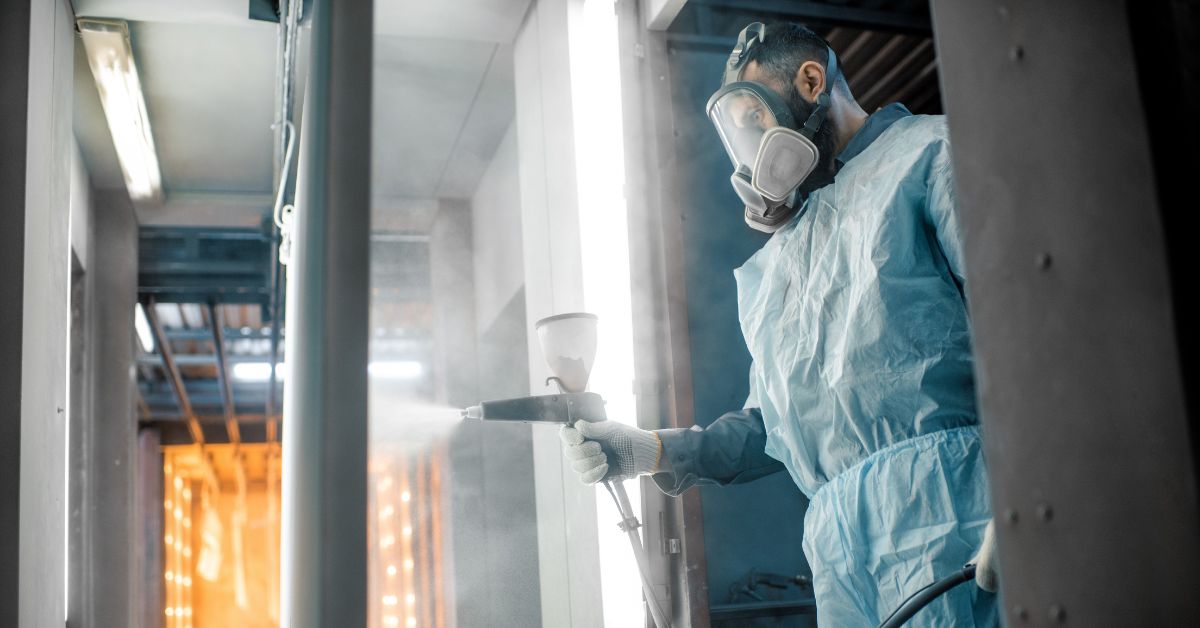
Industrial organizations continually seek ways to maximize the lifespan of critical assets. Replacing major equipment components can involve significant costs, production delays, and logistical challenges.
Surface treatments contribute directly to longer equipment service life by reducing the effects of wear and corrosion. When surfaces remain protected, components experience less degradation during operation. This preservation helps maintain functionality for a longer period and delays the need for replacement.
Extending component life also supports long-term maintenance planning. Facilities can better predict service schedules and allocate resources more efficiently when equipment performs consistently over time.
Maintenance activities play an essential role in equipment reliability, but excessive maintenance can increase operating expenses and reduce productivity. Frequent repairs often require labor, replacement parts, and equipment downtime.
Industrial metal surface treatments help lower maintenance demands by protecting vulnerable surfaces from damage. Components that resist wear and corrosion typically require fewer repairs and less frequent replacement.
Maintenance teams also benefit from improved equipment reliability. Instead of reacting to premature failures, they can focus on planned maintenance activities that support efficient operations. This approach often improves productivity while reducing overall maintenance costs.
Surface condition has a direct impact on equipment performance. Rough, worn, or damaged surfaces can increase friction, reduce efficiency, and create operational inconsistencies.
Many industrial surface treatments improve surface characteristics that influence performance. Certain coatings reduce friction between moving parts, allowing equipment to operate more efficiently. Others improve hardness or surface finish to support precise manufacturing processes.
These improvements can affect a wide range of industrial applications. Equipment that operates with smoother surfaces often experiences more predictable results, helping manufacturers maintain quality standards and production goals.
Replacing large industrial components is not always the most practical solution when wear occurs. In many cases, organizations can restore worn parts to their original dimensions through specialized repair and coating processes.
Industrial surface treatments support cost-effective restoration by rebuilding damaged areas and providing renewed surface protection. This approach often allows facilities to return valuable components to service without purchasing new replacements.
Restoration can be especially beneficial for large shafts, rollers, sleeves, and other critical parts. Instead of waiting for new components to arrive, companies can often restore existing equipment and return it to operation more quickly. The ability to repair and reuse components also helps organizations maximize their equipment investment while controlling maintenance budgets.
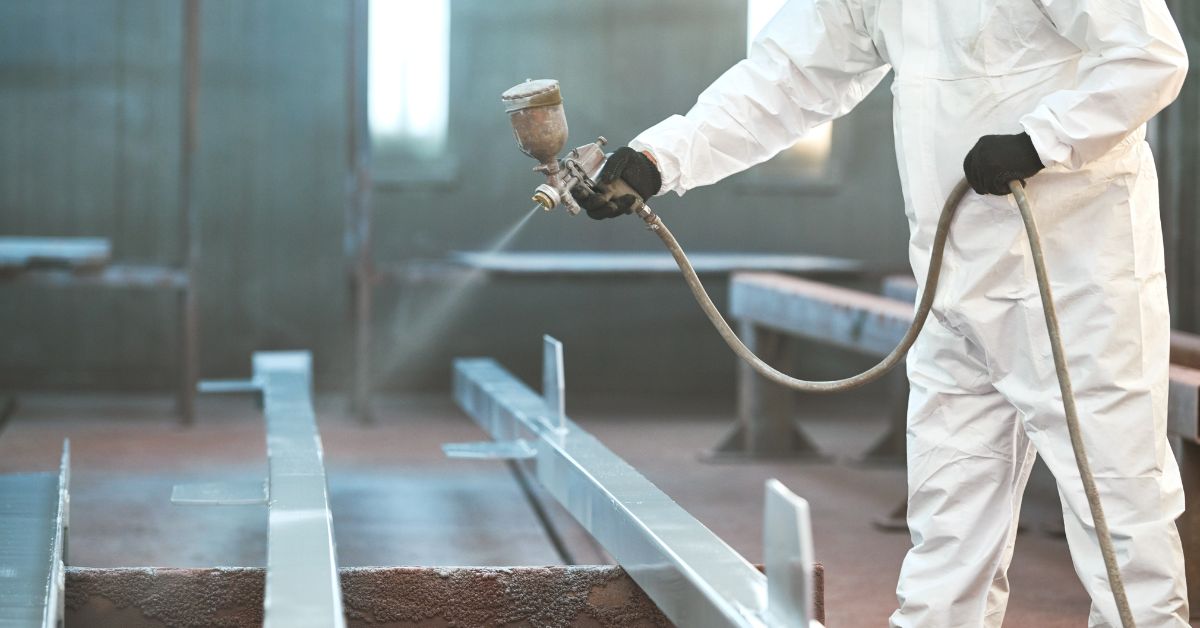
Every industrial application presents unique challenges. Some environments require exceptional wear resistance, while others demand protection against corrosion, heat, or chemical exposure.
Industrial metal surface treatments offer flexibility because engineers can select solutions based on specific performance requirements. Different coating technologies provide different characteristics, allowing manufacturers to customize protection for each application.
This flexibility makes surface treatments valuable across many industries. Original equipment manufacturers, maintenance teams, and machine shops can select treatments that align with the operating demands of their equipment. The result is a more targeted solution that addresses actual performance needs rather than relying on a one-size-fits-all approach.
Reliability remains a priority for every industrial operation. Unexpected equipment failures can disrupt production schedules, increase costs, and create operational challenges throughout a facility.
Surface treatments contribute to reliability by helping components withstand demanding operating environments. Protected surfaces maintain their properties longer and remain less susceptible to premature deterioration.
When equipment operates reliably, organizations gain greater confidence in production planning and maintenance scheduling. Reliable performance also supports consistent output quality and improved operational efficiency.
The benefits of industrial metal surface treatments extend far beyond surface protection. Properly selected treatments help industrial organizations improve wear resistance, combat corrosion, reduce maintenance demands, and extend equipment life. These advantages support more reliable operations while helping companies maximize the value of critical equipment investments.
Industrial Plating Company provides industrial coating, plating, machining, and repair solutions for manufacturers. We help customers improve component performance through advanced surface finishing technologies while also offering industrial machine repair services for worn or damaged parts. In addition to coating and restoration capabilities, we provide precision machining support, including lathe machining services, to help customers return critical equipment to service efficiently and cost-effectively. Get a quote today.


