
Mandrels face repeated contact, friction, and pressure during industrial forming and manufacturing operations. Over time, those operating conditions can wear the working surface, alter critical dimensions, and reduce the consistency of the parts a mandrel helps produce. Extending mandrel life through chrome plating gives manufacturers a practical way to protect these important tools while maintaining the surface characteristics their processes require. Industrial hard chrome plating creates a durable working surface that can resist wear and help a properly maintained mandrel remain in productive service longer.
A mandrel must maintain the correct geometry and surface condition to perform consistently. As its working surface wears, the tool can gradually move outside the dimensional requirements of the application. Even relatively localized wear may affect how material contacts the mandrel during operation.
Surface deterioration can also create quality concerns. A worn or damaged area may change friction at the interface between the mandrel and the material that moves across it. When the tool no longer performs as intended, manufacturers may face more frequent maintenance or an earlier replacement than they planned.
Protecting the working surface therefore becomes an important part of managing mandrel performance. Chrome plating provides a hard surface that helps the underlying component withstand repeated service conditions without requiring manufacturers to replace the entire mandrel whenever surface wear develops.
Industrial hard chrome plating deposits chromium onto the prepared surface of a mandrel. Unlike decorative chrome, this process focuses on functional performance. Technicians can finish the deposited layer to meet application requirements as part of the engineered working surface.
Hard chrome offers strong wear resistance, which makes it useful for mandrels exposed to repeated sliding contact. The coating takes much of the surface wear that would otherwise affect the base material. This protection can slow dimensional change and preserve the usable condition of the component.
When technicians properly specify the application and finish, chrome plating can also provide a low-friction surface. Reduced friction can support smoother interaction between the mandrel and the material moving across it. The appropriate surface finish remains important because each manufacturing process places different demands on the tool. This approach can extend maintenance intervals and support more predictable production planning.
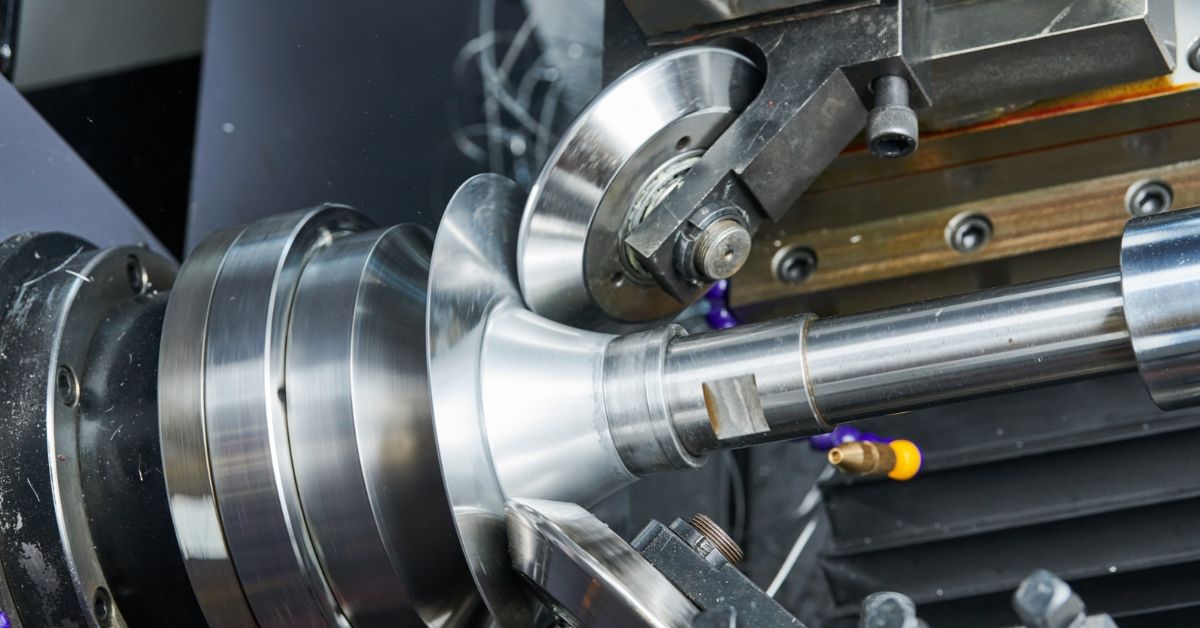
Successful plating begins before chromium reaches the part. Technicians must evaluate and prepare the mandrel surface so the coating can perform as intended. Existing damage, contamination, or an old coating may require attention before applying the new layer.
For a worn mandrel, preparation may include removing the existing coating and addressing the underlying surface. The objective is to create the proper foundation for plating while accounting for the dimensions required after finishing. Careful preparation helps make the coating process part of a controlled restoration rather than simply adding material to a worn tool.
Chrome plating and precision grinding often work together when a mandrel has tight dimensional requirements. Plating builds material onto the surface, while grinding brings the coated component to its specified size and finish. This combination allows the service provider to control the final working surface.
That capability becomes especially valuable when wear has reduced the diameter of an otherwise serviceable mandrel. Instead of discarding the entire component, manufacturers may be able to rebuild the affected surface with chrome and grind it back to the required dimensions. The condition of the base component still determines whether restoration is appropriate.
A worn surface does not always mean a mandrel has reached the end of its useful life. If the underlying component remains suitable for repair, industrial chrome plating can restore material where service has removed it. The repaired mandrel can then return to the dimensions and surface condition required by the application.
Restoration can be particularly useful for large or specialized mandrels that would require significant time to replace. Reusing the existing component may reduce the disruption associated with manufacturing a new tool. It also allows a facility to preserve a component that already fits its equipment and process.
The repair decision should start with an evaluation of the mandrel. Severe base-material damage or other structural concerns may make replacement more appropriate. A qualified plating provider can review the component, its operating conditions, and its finish requirements before recommending a coating approach.
Manufacturers can sometimes service chrome-plated mandrels again after the coating eventually wears. Technicians can remove the old chrome and inspect the component before applying a new coating when the base material remains in acceptable condition. This creates an opportunity to treat the mandrel as a maintainable production asset.
A planned approach can also help manufacturers respond before wear becomes excessive. Monitoring surface condition and dimensional changes gives maintenance teams a better basis for deciding when to remove a mandrel from service. Earlier attention may leave more options for restoration than waiting until extensive damage develops.
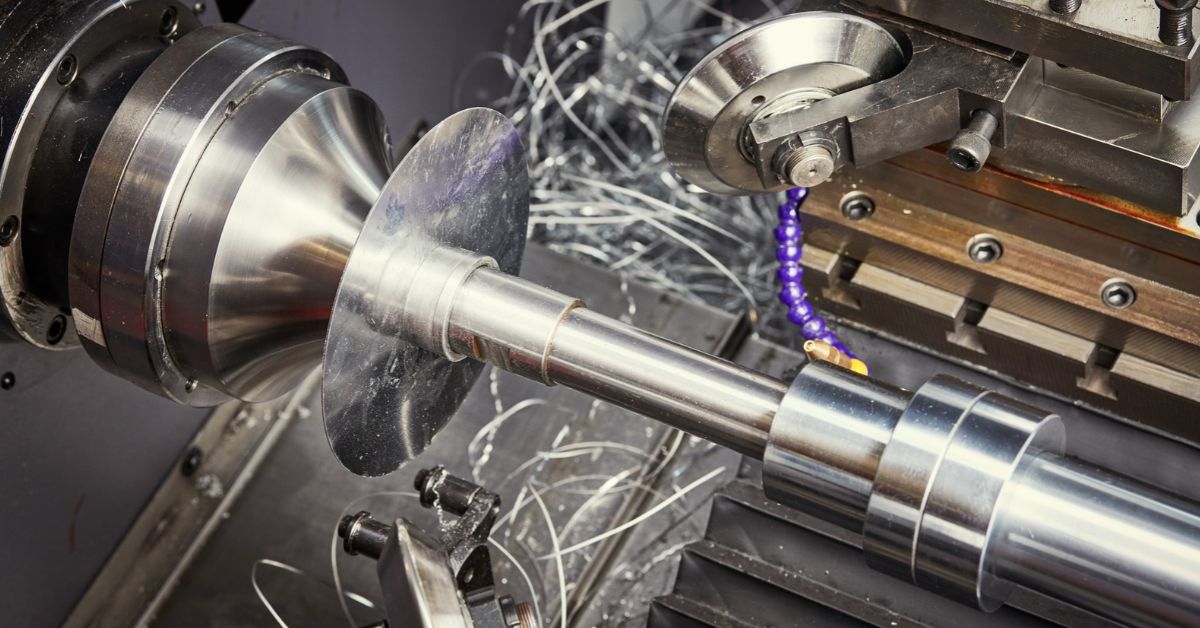
Mandrels do not all operate under the same conditions, so the plating specification should reflect the actual application. The required coating thickness depends on the component condition and the amount of material needed for final finishing. Surface finish requirements also vary according to how the mandrel interacts with the product or process.
Operating conditions matter as well. A service provider needs to understand where wear occurs and how the mandrel functions before determining the appropriate repair sequence. That application-specific approach helps ensure the coating addresses the surface problem rather than applying a generic treatment.
Manufacturers should communicate dimensional tolerances and finishing expectations before work begins. Clear requirements allow plating and grinding operations to work toward the same final condition. For repair work, information about the mandrel's service history can also help the provider understand the wear pattern.
Extending mandrel life through chrome plating can help manufacturers preserve critical working surfaces and restore worn components when replacement is unnecessary. Hard chrome provides a durable surface that supports wear resistance while precision finishing can return a repaired mandrel to required dimensions. The result is a practical maintenance option for operations that depend on consistent mandrel performance.
Industrial Plating Company provides industrial chrome plating for manufacturing customers that need functional surface protection or dimensional restoration. We can apply coatings to new components and restore worn industrial parts when their condition supports repair. With in-house machining and precision grinding capabilities, we can help customers address the complete working surface and prepare mandrels for continued service.


