
Gearbox shafts operate under constant load, friction, and rotational stress in industrial equipment. Over time, these demanding conditions create wear that affects overall equipment performance. Maintenance teams often face difficult decisions when shaft surfaces begin to deteriorate, especially when replacement costs and downtime continue to rise.
In many cases, repair technologies provide a practical alternative that restores critical dimensions and extends service life. Understanding the process of repairing and improving the performance of gearbox shafts helps manufacturers protect valuable assets while maintaining dependable operation across demanding industrial environments.
Gearbox shafts transfer power throughout industrial systems, making them some of the hardest-working components in rotating equipment. Every rotation subjects shaft surfaces to friction, pressure, and contact with surrounding components. As operating hours accumulate, these conditions gradually remove material from critical surfaces.
Wear commonly appears on bearing journals, seal areas, and locations where components mount directly onto the shaft. Abrasive particles can accelerate material loss when contaminants enter the system. Corrosive environments may also attack exposed surfaces and weaken the shaft over time. Even minor surface damage can affect alignment, increase vibration, and reduce operating efficiency.
When wear progresses without corrective action, connected components often experience additional stress. Bearings, seals, and couplings may fail prematurely because damaged shaft surfaces can no longer maintain proper operating conditions.
Successful repairs begin with a detailed evaluation of the shaft. Technicians must understand the extent of wear before selecting a restoration method. Careful inspection helps determine whether the shaft can return to service through repair or requires replacement.
Dimensional measurements reveal the amount of material lost from worn surfaces. Surface inspections identify scoring, corrosion, pitting, and other forms of damage that may affect performance. Technicians also examine the base material to verify that the shaft retains sufficient structural integrity.
A thorough assessment provides the foundation for selecting the appropriate repair strategy. Different damage patterns require different restoration approaches. The goal is not simply to rebuild the surface but to restore functionality while supporting long-term reliability.
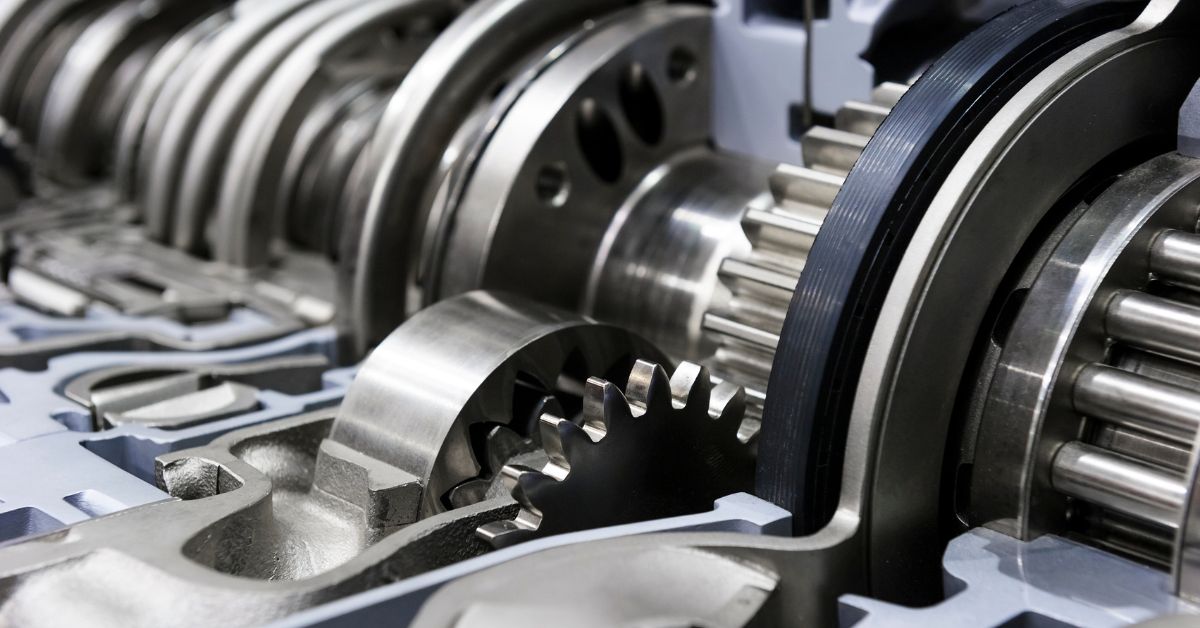
Surface engineering plays a central role in modern shaft repair. Rather than replacing an entire component, technicians can restore worn areas by applying engineered materials to damaged surfaces. This approach returns critical dimensions while improving resistance to future wear.
Many industrial facilities choose restoration because it reduces equipment downtime and lowers replacement expenses. Surface treatments allow technicians to rebuild worn journals, seal surfaces, and mounting areas with precise dimensional control. After machining and finishing operations, repaired shafts often meet original specifications.
The effectiveness of this process depends on proper material selection. Different operating environments create different performance requirements. Some applications require greater wear resistance, while others demand improved corrosion protection or enhanced performance under elevated temperatures.
Industrial coatings provide more than dimensional restoration. They create engineered surfaces designed to withstand demanding operating conditions. By selecting the proper coating system, facilities can address the root causes of shaft deterioration rather than repeatedly correcting the same damage.
Wear-resistant coatings help protect surfaces exposed to continuous friction. These coatings reduce material loss and support longer service intervals. In applications involving corrosive environments, specialized coatings shield the substrate from chemical attack and environmental degradation.
Coating technologies also allow manufacturers to tailor performance characteristics to specific operating conditions. Instead of relying solely on the properties of the base metal, facilities can create surface characteristics that better match application requirements. This flexibility often results in improved reliability and longer component life.
Restoring a shaft requires more than applying material to a worn surface. Precision machining and finishing operations ensure that repaired areas meet exact dimensional requirements. Even small deviations can affect equipment performance.
Machinists carefully remove excess material and restore critical tolerances after the coating or restoration process. Grinding operations create smooth, uniform surfaces that support proper interaction with bearings and seals. Surface finish requirements vary according to application, making precision an essential part of the repair process.
Accurate finishing also helps maintain proper alignment throughout the gearbox system. When shaft dimensions remain within specification, rotating components operate more smoothly and experience less unnecessary stress. This attention to detail contributes directly to long-term equipment reliability.
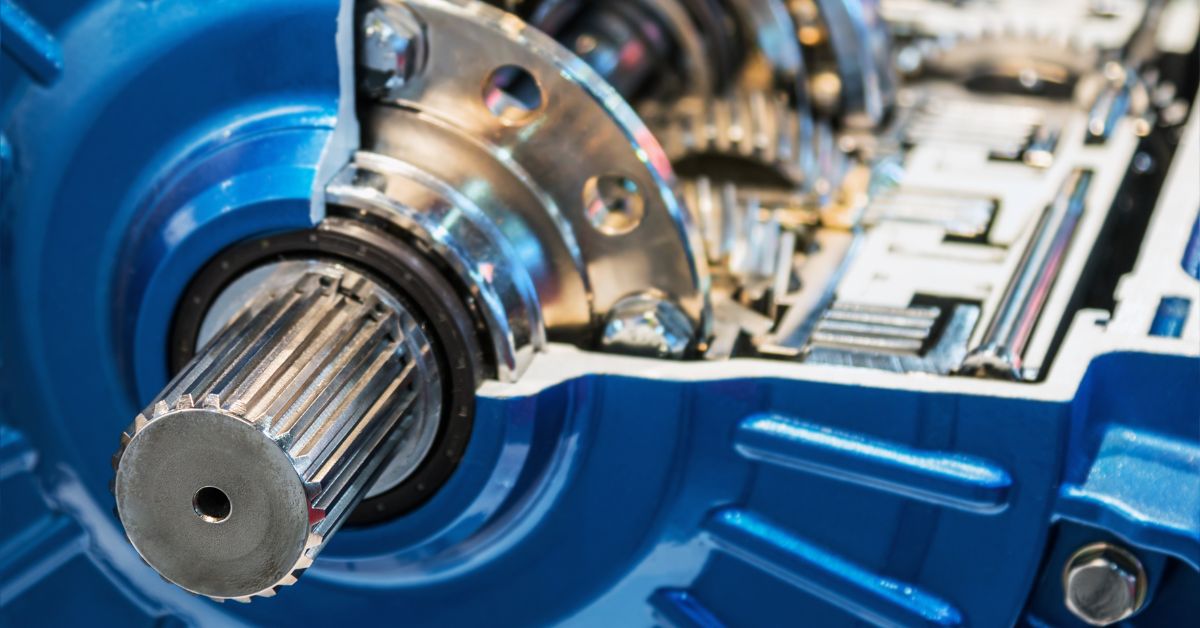
Many organizations wait until severe damage occurs before addressing shaft wear. A proactive repair strategy often delivers better results. Detecting wear in its early stages enables maintenance teams to repair affected surfaces before surrounding components experience additional damage.
Preventive repairs help avoid costly secondary failures. When technicians address worn shaft surfaces promptly, bearings and seals can continue operating under proper conditions. This approach reduces unplanned downtime and helps facilities maintain production schedules.
Early intervention also expands repair options. Moderate wear typically requires less extensive restoration than severe damage. By addressing issues before they become critical, facilities can often achieve faster turnaround times and lower repair costs.
The quality of a shaft repair depends heavily on the expertise of the service provider. Successful restoration requires knowledge of coatings, machining, dimensional control, and application-specific performance requirements. An experienced partner evaluates operating conditions and recommends solutions that align with long-term reliability goals.
Industrial customers should look for providers with proven capabilities in surface engineering and precision repair services. Consistent quality control, accurate inspections, and reliable turnaround times all contribute to successful outcomes. A knowledgeable repair partner can also identify opportunities to improve component performance beyond simple restoration.
The best repair strategies focus on solving operational challenges rather than merely replacing lost material. By combining technical expertise with advanced surface technologies, repair specialists can help customers improve equipment performance and maximize asset value.
Repairing worn gearbox shafts provides an opportunity to improve performance as well as restore functionality. Modern coating technologies allow facilities to strengthen critical surfaces and reduce future wear. When combined with precise machining and careful inspection, these solutions help equipment operate more efficiently and reliably.
Facilities that integrate engineered repairs into maintenance programs often gain measurable operational advantages because restored shafts remain productive for longer periods under demanding conditions. By focusing on repairing and improving the performance of gearbox shafts, industrial organizations can extend component life, reduce downtime, and achieve greater value from critical equipment.
Industrial Plating Company provides industrial surface treatments that help manufacturers restore worn components and enhance performance in demanding operating environments. We apply specialized coating technologies, machining expertise, and repair capabilities to support long-term equipment reliability. Contact us to learn more.


