
Industrial equipment operates under constant pressure. Abrasion, corrosion, impact, and heat gradually wear away critical surfaces until performance begins to decline. When that happens, manufacturers often face an important decision: restore the existing component or replace it with a new one.
Understanding surface coatings vs material replacement costs helps maintenance teams, engineers, and purchasing managers make informed decisions that support production goals while controlling long-term expenses. In many applications, restoring worn surfaces with engineered coatings delivers the performance equipment needs without the added cost and disruption of manufacturing entirely new components.
The purchase price of a replacement part rarely represents its total cost. Every replacement requires planning, procurement, shipping, installation, and equipment downtime before production can resume. Those indirect expenses often exceed the cost of the part itself, especially when specialized machinery depends on custom components with long manufacturing lead times.
Surface coatings offer a different approach. Rather than replacing an entire component because one surface has worn beyond acceptable limits, manufacturers can restore the affected area and return the part to service. This strategy preserves the value of the original component while reducing unnecessary material waste. It also allows maintenance teams to address wear before it develops into a larger mechanical problem.
Many industrial components remain structurally sound long after their working surfaces begin to deteriorate. Shafts, rolls, hydraulic rods, bearing journals, and similar parts frequently lose performance because of surface damage instead of complete structural failure. Rebuilding those surfaces extends useful life without sacrificing reliability.
Industrial surface coatings replace worn material with engineered layers that provide specific performance characteristics. Depending on the operating environment, coatings can improve wear resistance, reduce corrosion, minimize friction, or increase hardness. The selected coating addresses the conditions that caused the original damage instead of simply replacing the component with another identical part.
Proper surface preparation plays an important role in successful restoration. Technicians remove damaged material, prepare the substrate, apply the appropriate coating, and finish the surface to precise dimensional requirements. The repaired component then returns to service with restored tolerances and improved durability.
This process gives manufacturers an opportunity to improve performance instead of merely replacing worn equipment. Selecting the right coating often increases service life because the restored surface performs better than the original material in demanding operating conditions.
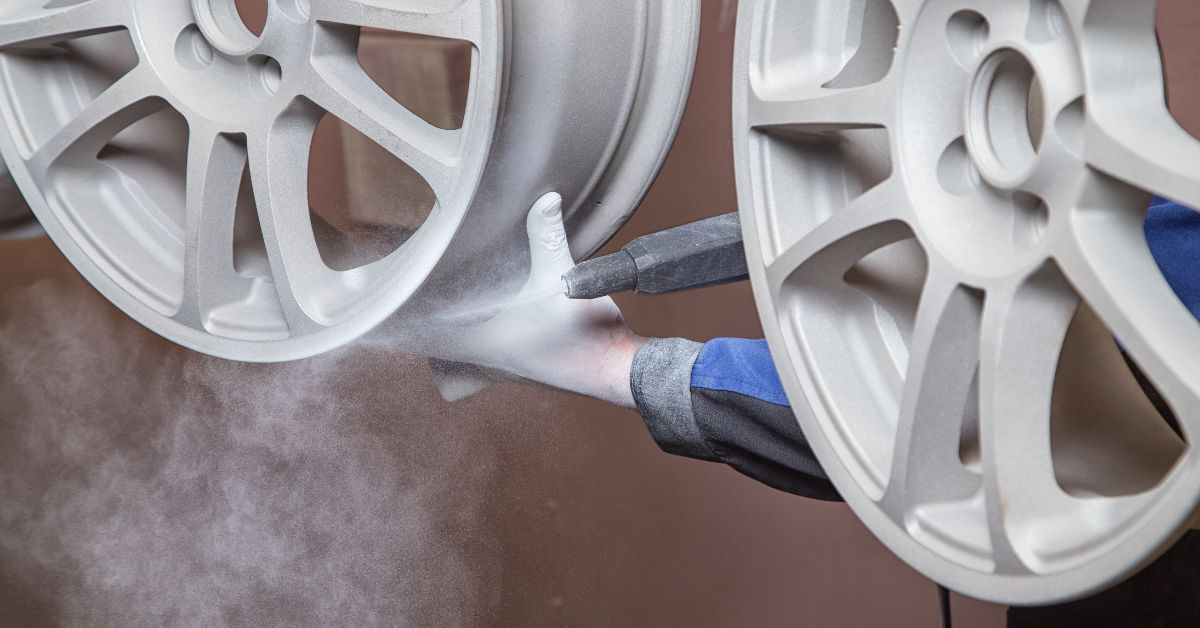
Surface restoration offers substantial advantages, but replacement remains the right choice in certain situations. Components that have suffered severe structural damage, extensive cracking, or permanent deformation may no longer provide a suitable foundation for repair. In those cases, replacing the entire part protects equipment reliability and operator safety.
Replacement also becomes necessary when the base material no longer meets changing production requirements. New operating conditions sometimes demand different alloys, revised component designs, or dimensional modifications that restoration alone cannot provide.
Even when replacement is unavoidable, manufacturers frequently specify protective coatings on new components before they enter service. Starting with enhanced surface protection helps prevent premature wear and delays future replacement needs.
Every maintenance decision affects future operating costs. Replacing parts repeatedly may solve an immediate problem, but it rarely addresses the conditions that caused the original wear. If the same environment continues to damage new components, replacement becomes a recurring expense rather than a permanent solution.
Applying the proper surface coating changes that pattern. Engineers can match coating properties to specific operating conditions, allowing components to resist the wear mechanisms that previously shortened service life. As equipment remains in operation longer, maintenance schedules become more predictable, and production interruptions occur less frequently.
Manufacturers also benefit from greater flexibility when critical components become difficult to source. Supply chain delays often keep expensive equipment idle because manufacturers cannot produce or ship replacement parts quickly enough. Restoring existing components often reduces that waiting period because repair work can begin as soon as the part arrives at the coating facility. Faster turnaround helps production resume sooner and limits costly downtime.
No single coating provides the best solution for every industrial environment. Successful restoration depends on understanding how the equipment operates and identifying the conditions that create surface damage. Components exposed to sliding wear require different protection than parts operating in corrosive process streams or elevated temperatures.
Industrial hard chrome plating remains one of the most widely used solutions for demanding applications. The coating provides excellent hardness, outstanding wear resistance, and precise dimensional control. Engineers frequently specify hard chrome for hydraulic rods, rollers, shafts, and other components where smooth surface finishes directly influence equipment performance.
Other applications benefit from thermal spray coatings or specialized alloys that deliver additional corrosion resistance or improved performance under extreme operating conditions. Selecting the proper coating ensures manufacturers receive the greatest return from every repair while avoiding unnecessary replacement costs.
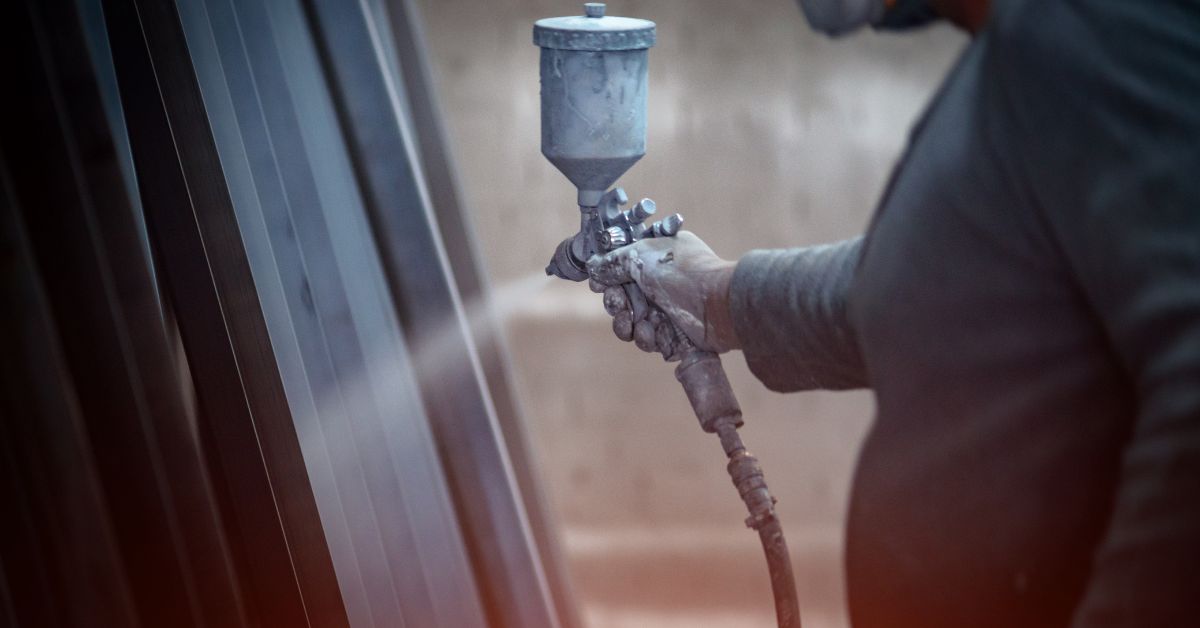
Effective maintenance planning considers more than the condition of a single component. Engineers evaluate production schedules, equipment criticality, repair timelines, and long-term operating expenses before choosing between restoration and replacement. That broader perspective often reveals opportunities to improve reliability while reducing total ownership costs.
Working with an experienced coating provider also improves decision-making. Coating specialists evaluate wear patterns, inspect component condition, and recommend repair methods based on real operating environments. Their experience helps manufacturers avoid unnecessary replacement while selecting coatings that support longer service life.
Preventive restoration provides another advantage. Instead of waiting for complete failure, manufacturers can schedule repairs during planned maintenance shutdowns. Restoring surfaces before excessive damage develops minimizes emergency repairs and helps operations maintain consistent production.
Choosing between repair and replacement requires more than comparing purchase prices. Manufacturers achieve the greatest value when they consider equipment longevity, production uptime, and future maintenance requirements together. Evaluating surface coatings vs material replacement costs from a long-term perspective often shows that restoring worn components provides greater financial value while improving operational reliability.
Industrial Plating Company helps manufacturers extend equipment life through precision industrial hard chrome plating for both new surface finish requirements and component repair applications. Our experienced team restores worn surfaces to exact specifications while providing durable coatings that improve long-term performance in demanding industrial environments. Whether you need protection for new equipment or dependable repairs that return existing parts to service, we deliver coating solutions that reduce downtime and support lower operating costs.


