
Modern manufacturing environments demand components that can withstand wear, corrosion, and extreme operating conditions. Surface engineering with the use of plasma coatings provides an effective way to enhance the durability and performance of industrial components without replacing the base material. Plasma spray coatings allow engineers to tailor surface properties so parts can operate longer and more efficiently in demanding industrial settings.
By applying specialized coating materials at high temperatures, manufacturers can protect equipment from premature failure while improving reliability across a wide range of industrial processes. As equipment continues to operate in more aggressive environments, plasma coatings have become an essential solution for extending component life and maintaining consistent performance.
Plasma coating technology works by heating coating materials to extremely high temperatures and propelling them onto a prepared surface. During the process, the coating material becomes molten and forms a dense protective layer once it reaches the component surface. This process allows coatings to bond securely while maintaining the integrity of the base material.
Because plasma spraying can handle a wide variety of coating materials, it allows engineers to design surfaces with very specific performance characteristics. Different coating compositions can improve wear resistance, thermal protection, or corrosion resistance depending on the application. This versatility makes plasma coatings suitable for many types of industrial equipment where traditional materials alone may not provide adequate protection.
The ability to control coating thickness and structure also allows manufacturers to customize the surface layer for different operational requirements. In many cases, this approach improves equipment performance without requiring a redesign of the entire component.
Wear is one of the most common causes of equipment failure in industrial environments. Continuous friction, abrasion, and particle impact gradually degrade surfaces and reduce operational efficiency. Plasma coatings help address this challenge by creating a protective barrier that absorbs much of the wear before it reaches the underlying component.
By strengthening the surface layer, plasma coatings allow critical parts to maintain dimensional stability and consistent performance for longer periods of time. This becomes particularly valuable in manufacturing systems where downtime can disrupt production schedules and increase operating costs.
Industries that rely heavily on rotating or sliding components often benefit from this type of protection. Equipment such as rollers, shafts, pump components, and mechanical seals frequently experience high levels of surface stress. Plasma coatings provide an engineered surface that helps these components resist damage while maintaining smooth operation.
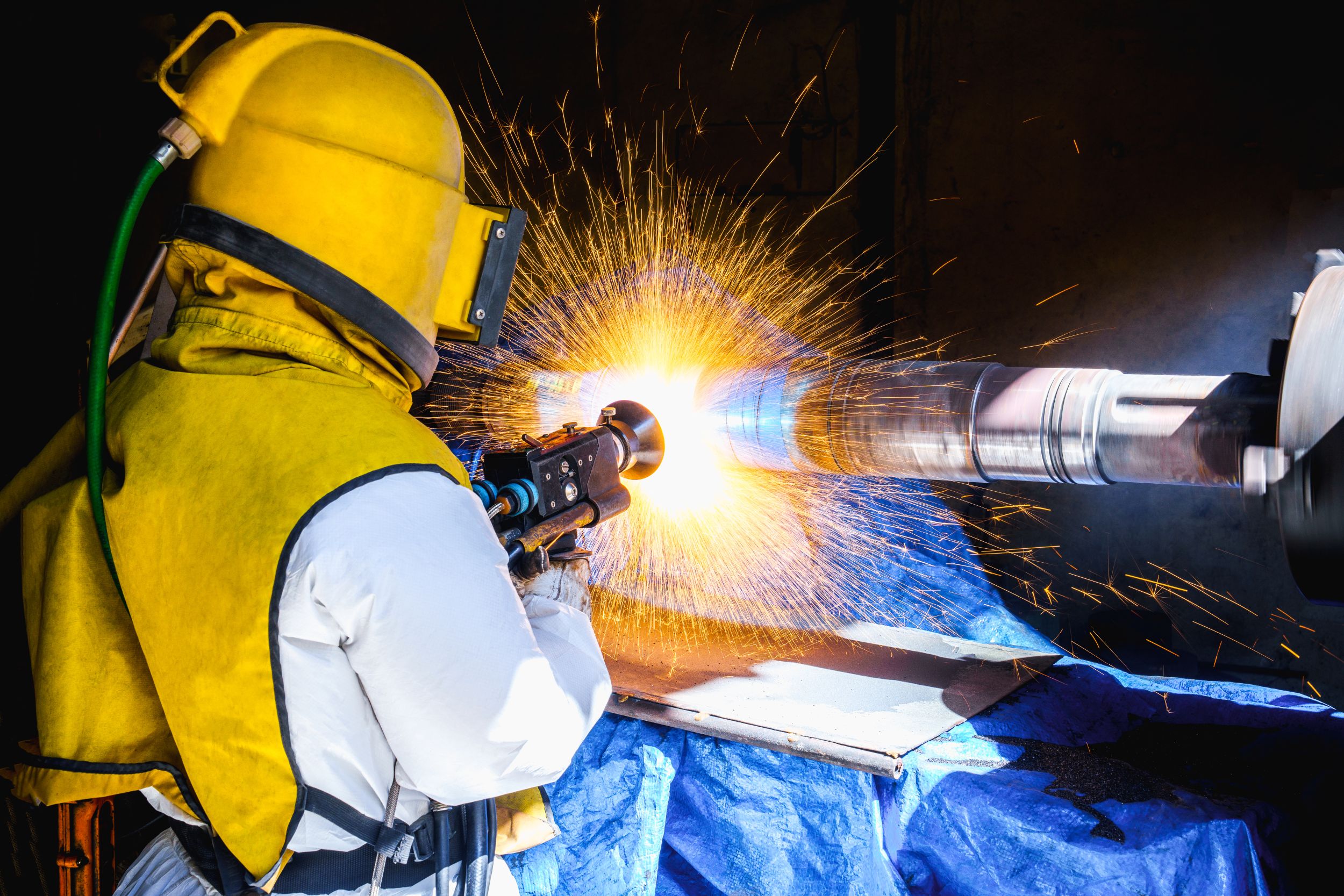
In addition to wear resistance, plasma coatings also provide protection in environments involving high temperatures and corrosive conditions. Many industrial processes expose equipment to extreme heat, aggressive chemicals, or oxidizing atmospheres that can quickly degrade unprotected materials.
Plasma spray coatings create a barrier that shields the base metal from these conditions. This protection allows components to maintain their structural integrity even when exposed to prolonged thermal stress or corrosive elements.
Thermal protection is particularly valuable for equipment that operates in high-temperature processing environments. In these situations, plasma coatings help prevent rapid material breakdown while maintaining stable operating conditions. As a result, manufacturers can improve the longevity of equipment that would otherwise experience accelerated wear or failure.
Environmental protection is equally important in industries where moisture, chemicals, or abrasive contaminants are present. The coating layer helps isolate the underlying material from these harmful elements, reducing the likelihood of corrosion or surface degradation.
Plasma coatings protect new components and play an important role in repairing and restoring industrial equipment. Many industrial parts experience gradual wear over time but still retain a structurally sound base material. Instead of replacing the entire component, manufacturers can restore worn surfaces through coating application and finishing processes.
During restoration, technicians remove damaged material and prepare the surface before applying the plasma coating. They machine or grind the component after applying the coating to restore its original dimensions and surface characteristics.
This process allows companies to return expensive equipment parts to service without the cost and lead time associated with manufacturing new components. In many cases, restored parts can perform as well as newly manufactured components when properly coated and finished. Surface restoration through coating technology has become an increasingly valuable strategy for companies focused on reducing maintenance costs while maximizing equipment availability.
One of the greatest advantages of plasma coatings is their flexibility. Engineers can tailor coatings to meet the exact performance requirements of a particular application. This allows manufacturers to address multiple performance challenges through a single surface engineering solution.
Some applications require coatings that prioritize wear resistance, while others may require surfaces that can tolerate high temperatures or corrosive conditions. Plasma coating systems allow the selection of materials that match the demands of each environment.
This adaptability makes plasma coatings valuable across a wide range of industries. Equipment used in manufacturing, mining, power generation, and heavy industrial operations can benefit from coatings that extend service life and reduce maintenance requirements. As industrial equipment continues to evolve, surface engineering techniques like plasma coatings allow manufacturers to enhance component performance without compromising design flexibility.
Industrial Plating Company understands that coating performance depends not only on the application process but also on the final surface finish. After applying advanced coatings, technicians perform precision machining to achieve the exact dimensions and surface characteristics required for optimal performance.
In addition to advanced coating solutions, we offer cylindrical grinding services that allow coated components to meet precise engineering specifications. These grinding capabilities ensure that coated parts maintain tight tolerances and consistent surface finishes required for demanding industrial applications.
Precision grinding also plays a critical role in restoring worn components. After applying protective coatings, cylindrical grinding allows technicians to return parts to their original design dimensions so they can function properly within existing equipment systems. This combination of coating expertise and finishing capability allows Industrial Plating Company to provide complete surface engineering solutions for industrial customers.
Through surface engineering with the use of plasma coatings, manufacturers can significantly improve equipment durability while maintaining the precise surface finishes necessary for reliable performance. Industrial Plating Company supports this process by combining advanced coating technologies with precision grinding services to deliver fully finished components ready for demanding industrial environments. Contact us to learn more.


