
Industrial equipment operates under demanding conditions that gradually wear down metal surfaces and reduce equipment performance. Protective coatings help manufacturers improve equipment longevity while supporting consistent production and reducing maintenance interruptions.
When comparing industrial coating options, many manufacturers focus on the key differences between tungsten carbide vs. chrome to determine which solution best matches their operating conditions. Both coatings improve surface durability and equipment performance, but they differ in hardness, wear resistance, corrosion protection, surface finish, and long-term value.
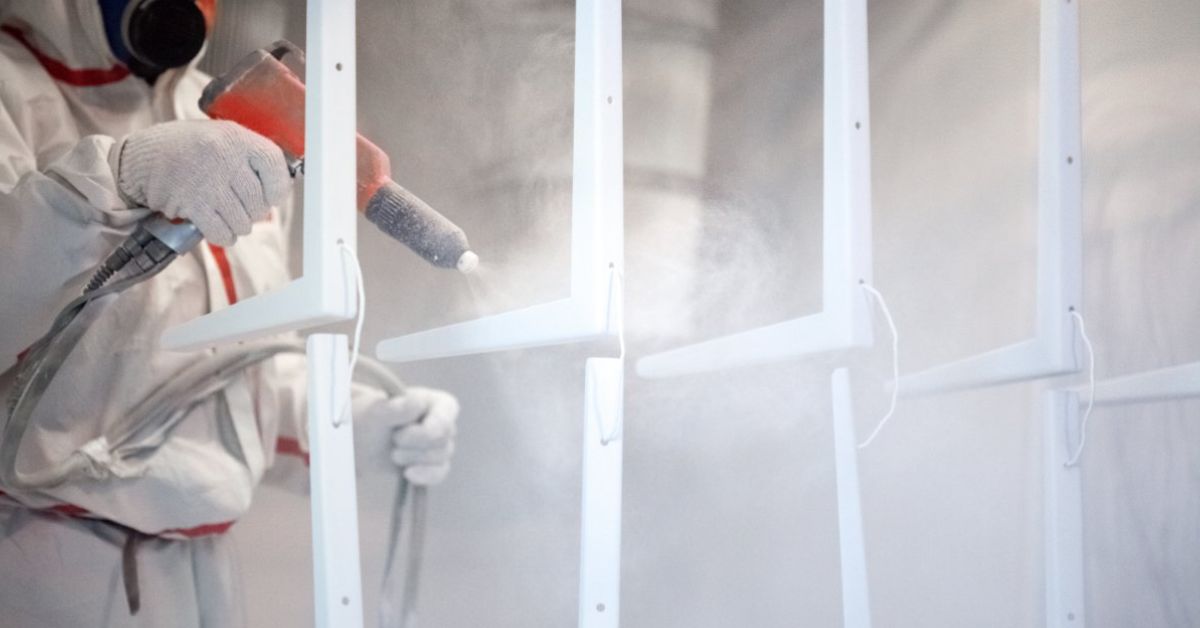
Tungsten carbide coatings are ideal for industrial applications that experience severe wear and abrasion. Technicians commonly apply these coatings using thermal spray processes that bond extremely hard tungsten carbide particles to the surface of a component.
The coating creates a dense wear-resistant layer that performs well in demanding environments. Manufacturing facilities often use tungsten carbide coatings on rollers, shafts, pump components, and other parts exposed to heavy friction. Mining equipment, paper processing machinery, and industrial production systems frequently rely on tungsten carbide because of its durability.
One of the biggest advantages of tungsten carbide is its hardness. The coating resists abrasion far better than untreated metal surfaces, helping equipment maintain dimensional accuracy for longer periods. Components exposed to constant material contact typically experience slower wear rates when coated with tungsten carbide.
Tungsten carbide coatings also perform well under high-pressure operating conditions. The coating helps reduce surface fatigue and premature wear, which can improve equipment reliability and reduce maintenance interruptions.
Chrome coating, commonly called hard chrome plating, uses an electroplating process to apply chromium to a metal surface. Industrial manufacturing has used hard chrome for decades because it improves hardness, corrosion resistance, and surface smoothness.
Industrial facilities commonly apply chrome coatings to hydraulic rods, rollers, molds, and machine components that require reliable wear protection. The coating creates a smooth finish that supports controlled movement while reducing friction during operation.
Chrome plating offers dependable durability in many industrial environments. While it is generally not as hard as tungsten carbide, it still provides strong protection against wear and surface damage.
Another advantage of chrome plating is corrosion resistance. Equipment exposed to moisture or chemical exposure often benefits from chrome’s ability to protect surfaces from rust and environmental deterioration.

Wear resistance is one of the most important differences between these coatings. Tungsten carbide typically performs better in highly abrasive environments because of its extreme hardness and dense surface structure.
Industrial equipment exposed to abrasive materials, heavy friction, or continuous contact often benefits from tungsten carbide coatings. The coating helps components maintain their dimensions and surface integrity for longer periods.
Chrome coatings still perform effectively in many applications involving moderate wear conditions. Hydraulic systems, packaging machinery, and industrial rollers commonly use chrome plating because it balances durability with cost efficiency.
The operating environment often determines which coating performs best. Equipment exposed to severe abrasion generally requires the higher wear resistance offered by tungsten carbide.
Tungsten carbide coatings are widely known for their exceptional hardness. This allows the coating to withstand aggressive operating conditions without wearing down quickly. Components coated with tungsten carbide often last longer in environments involving heavy abrasion or constant friction.
Chrome coatings also improve surface hardness compared to untreated metal. Hard chrome plating strengthens components and helps reduce wear caused by repeated motion. However, chrome coatings typically do not provide the same level of durability as tungsten carbide in extreme industrial applications.
Durability affects both equipment reliability and production efficiency. Coatings that resist wear longer can help manufacturers reduce replacement frequency and avoid unplanned downtime. For severe-duty industrial environments, tungsten carbide usually provides stronger long-term wear performance.
Corrosion resistance is another important consideration when selecting an industrial coating. Chrome plating protects components from moisture, oxidation, and chemical exposure. Industrial applications involving humid environments or chemical processing often use chrome coatings because the plated surface helps prevent corrosion damage.
Tungsten carbide coatings can also provide corrosion protection depending on the specific coating formulation and binder materials used during application. Manufacturers design some tungsten carbide systems primarily for wear resistance, while they engineer others to balance wear protection with corrosion resistance. Facilities should evaluate both abrasion exposure and environmental conditions before selecting a coating solution.
Surface finish plays a major role in equipment performance. Chrome coatings are known for producing smooth surfaces that reduce friction between moving parts. This makes chrome plating a strong choice for hydraulic components and machinery requiring controlled movement.
Lower friction can also help reduce heat generation during operation. For applications involving sliding or repeated movement, chrome’s smooth finish can improve efficiency and operational consistency.
Tungsten carbide coatings naturally produce a rougher surface texture after application. However, precision grinding and finishing processes can create a smoother final surface when required for industrial applications.
The choice often depends on operational priorities. Equipment requiring maximum wear resistance may benefit more from tungsten carbide, while applications needing smoother movement may favor chrome.
Chrome plating is often the more economical option for industrial applications with moderate wear demands. Many industrial manufacturers use this process because it typically involves lower upfront costs. Tungsten carbide coatings usually require a larger initial investment because of the specialized materials and thermal spray equipment involved in the application process.
However, higher initial coating costs do not always mean higher long-term operating costs. In severe wear environments, tungsten carbide coatings can reduce maintenance frequency and extend component lifespan, which may lower overall operating expenses over time.
Manufacturers should evaluate total lifecycle cost instead of focusing only on initial pricing. A more durable coating can often provide significant savings through reduced downtime and fewer replacement cycles.
Selecting the best coating depends on the equipment’s operating conditions and performance requirements. Tungsten carbide coatings are ideal for applications involving aggressive wear, abrasive materials, or severe industrial environments.
Chrome coatings remain an effective solution for applications requiring balanced wear resistance, corrosion protection, and smoother surface finishes. Many industrial systems continue to rely on hard chrome because it delivers dependable performance across a wide range of operating conditions.
Manufacturers should consider wear exposure, environmental conditions, operating temperatures, and maintenance goals before selecting a coating. Working with an experienced industrial coating provider can help ensure the selected solution aligns with long-term production requirements.
Understanding the key differences between tungsten carbide vs. chrome helps manufacturers select coatings that improve equipment performance and reduce maintenance challenges. Tungsten carbide offers exceptional wear resistance for demanding industrial applications, while chrome provides dependable durability, corrosion resistance, and smooth surface performance.
Industrial Plating Company supports industrial manufacturers with advanced coating, machining, and repair solutions. In addition to industrial coating services, we provide precision CNC grinding services that help customers restore worn components, maintain tight tolerances, and improve equipment reliability. We work with manufacturers across multiple industries to deliver coating and machining solutions that support long-term operational performance. Get a quote today.


