
Industrial components experience considerable stress during operation, and repeated use can eventually compromise their dimensions or structural integrity. When damage affects an expensive or difficult-to-replace component, welding may offer a practical alternative to purchasing a replacement. Understanding when welding is the best option for part restoration helps maintenance teams select repairs that support reliable equipment performance without unnecessary replacement costs. The right approach depends on the component's material, the extent of damage, and its operating requirements.
Welding restores damaged metal components by joining material or adding metal to areas that have experienced wear. Unlike surface coatings that primarily address surface performance, welding can rebuild substantial sections of missing material or repair certain structural defects.
Industrial repair specialists use welding techniques to restore shafts, machine components, and other critical parts that experience demanding operating conditions. Depending on the application, technicians may apply weld metal to damaged areas before machining the component back to its required dimensions.
Successful restoration requires careful evaluation before work begins. Technicians must consider the base metal's weldability and determine whether the repair process could affect the component's mechanical properties.
Industrial facilities have several options for restoring worn equipment. Hard chrome plating and thermal spray coatings can rebuild certain surfaces while improving resistance to operational wear.
Welding becomes particularly useful when damage extends beyond the practical limits of these surface restoration methods. It allows technicians to replace substantial amounts of missing metal and address certain cracks when the component's design permits repair.
However, welding introduces heat that can change material properties or create distortion. Repair specialists must weigh these risks against the advantages of rebuilding the damaged area.
Heavy wear can remove enough material from a component that conventional finishing processes cannot restore its original dimensions efficiently. In these situations, weld buildup may provide the additional metal necessary for successful restoration.
Industrial shafts frequently experience wear around bearing seats and other contact surfaces. When material loss exceeds the practical buildup range of a selected coating, welding may offer a suitable repair method.
Technicians deposit compatible weld metal onto the damaged section, leaving sufficient material for subsequent machining. Precision machining then restores the required diameter and surface geometry.
This approach can preserve valuable shafts when their remaining structure supports safe restoration. The repair must also maintain proper alignment and meet the component's operating requirements.
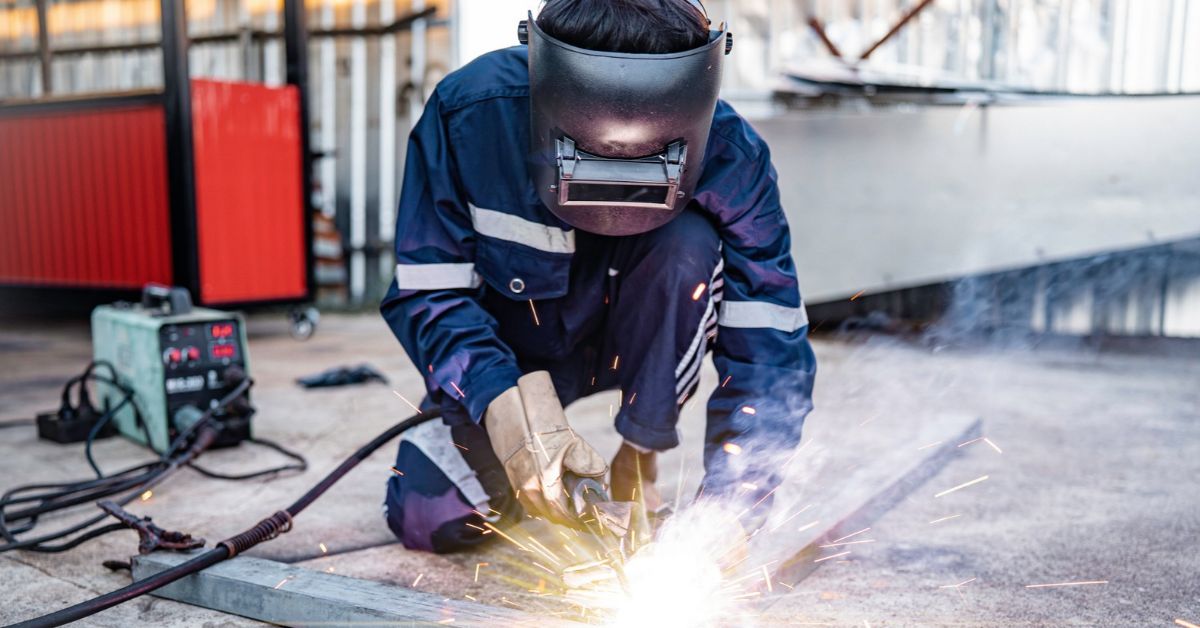
Machine components sometimes develop deep grooves or localized damage that compromises their intended fit. Welding can fill these areas with compatible material before technicians restore the finished surface.
This method works particularly well when the component has enough surrounding material to tolerate welding temperatures. Proper preparation helps technicians control contamination and achieve sound weld deposits.
After welding, machining removes excess material and establishes the required dimensions. Inspection confirms whether the restored area meets the application's specifications.
Certain cracks require more than surface refinishing because they affect the underlying metal. Welding may restore continuity when engineers determine that the component remains suitable for repair.
Not every cracked industrial component qualifies for welded restoration. Crack location and material characteristics influence whether a repair can provide acceptable service performance.
Technicians must identify the full extent of the damage before selecting a welding procedure. They also need to consider the stresses the component will experience after returning to operation.
Components exposed to severe fatigue loading may require additional engineering evaluation. In some cases, replacement remains the safer choice because welding cannot adequately address the original failure mechanism.
Welding creates concentrated heat that can affect the surrounding base metal. Excessive heat input may cause distortion or introduce undesirable changes in material hardness.
Qualified repair procedures address these concerns through appropriate welding parameters and temperature controls. Some materials also require preheating or post-weld heat treatment.
Careful process control helps preserve component geometry while supporting the integrity of the repaired area. Technicians must verify that the finished component satisfies its service requirements.
Replacing a large industrial component can involve substantial purchasing costs and extended equipment downtime. Welding may reduce these burdens when the damaged part remains fundamentally sound.
Large shafts and specialized machine parts often represent significant investments. Rebuilding damaged sections can preserve much of the original component instead of discarding otherwise usable material.
Welding becomes especially attractive when manufacturers face long replacement lead times. A qualified repair may return equipment to service sooner, depending on the restoration scope.
However, repair costs should account for preparation and finishing requirements. The lowest initial expense does not always provide the best long-term value.
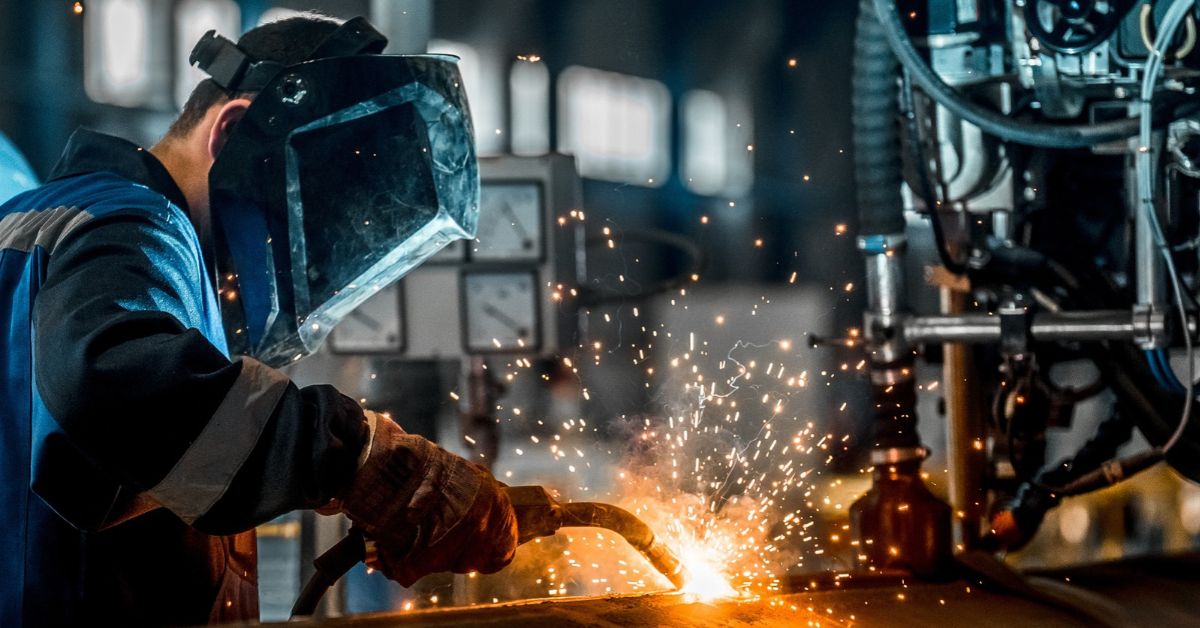
Welding frequently serves as an intermediate step in a broader restoration process. Weld buildup replaces missing material, while subsequent machining establishes the final geometry.
Precision grinding may provide the surface finish required for demanding bearing or sealing applications. Technicians select finishing methods according to the component's dimensional requirements.
The combination of welding and precision machining can restore functional surfaces that would otherwise require replacement. Successful results depend on proper material selection and inspection.
The suitability of welding depends on more than the visible extent of damage. Repair specialists must understand the component's operating conditions before recommending a restoration method.
Different metals respond differently to welding temperatures and filler materials. Some alloys require specialized procedures to prevent cracking or undesirable changes in mechanical properties.
Technicians must identify the base material and select compatible welding consumables. Unknown material composition can make repair qualification difficult.
Components that experience repeated loading require particular attention to fatigue performance. Welding may introduce residual stresses that affect service life.
Surface requirements also influence the decision. A component that primarily needs improved wear resistance may benefit more from an industrial coating than extensive weld buildup.
Repair specialists should compare available restoration methods against the component's actual failure conditions. This evaluation helps avoid unnecessary processing and supports dependable operation.
Knowing when welding is the best option for part restoration helps manufacturers make informed decisions about damaged equipment. Industrial Plating Company provides industrial machining services that support component restoration and help customers maintain critical machinery. Our capabilities include precision grinding and surface finishing services for demanding industrial applications. We work with original equipment manufacturers and industrial maintenance teams to address component wear and dimensional requirements. Whether a part needs precision machining or specialized surface treatment, our team can help evaluate the appropriate approach. Contact Industrial Plating Company to discuss your component restoration needs and request a quote.


